Serbia’s long-serving leader, Aleksandar Vučić, has conceded defeat in snap parliamentary elections, paving the way for a student-led opposition movement to challenge his party’s grip on power after two years of anti-government protests.
Vučić announced the defeat late on Sunday after preliminary results indicated that his Serbian Progressive Party (SNS) had lost the election. He said, “We still do not have final results… it is clear that we have lost these elections.”
The election followed months of demonstrations sparked by the collapse of a railway station canopy in Novi Sad, which killed 16 people.
The incident became a symbol of alleged corruption and negligence, fuelling public anger against the government.
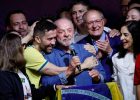
Celebrations erupted across Serbia after Vučić acknowledged the defeat, with supporters of the Student List movement dancing in the streets, setting off fireworks and chanting “victory”.
In Belgrade, the capital, crowds gathered to celebrate what they considered a historic political turning point.
The movement’s lead candidate, Ilija Srdanović, told BBC Serbian, “This will be a free state.” He said the anti-corruption campaign had attracted voters opposed to the government and hoped to “free the country from tyranny”.
Another Student List candidate, Radomir Saicic, said during a celebration speech that Serbians had demonstrated that “no obstacle was greater than their will”. He added, “No force can forever overpower a people who have decided to take their destiny into their own hands,” Reuters reported.
Vučić, who has served two terms as president, was unable to seek a third term and instead led the SNS into the election in a bid to return as prime minister, a position he left in 2017.
The Student List, which does not have an obvious central leadership, brought together candidates from different professional backgrounds, including doctors, actors, academics and sports personalities, to contest seats in the 250-member parliament.
Its campaign focused on tackling corruption, removing officials accused of violating rules during crackdowns on protesters, preventing ruling-party loyalists from heading public enterprises and reducing political interference in the public broadcaster.
Vučić and his party have repeatedly denied corruption allegations.
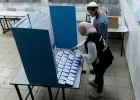
Preliminary figures from Serbia’s election commission indicated a turnout of 64.9 per cent by 6pm local time, two hours before polling was scheduled to close.
The figure represented a record high, with long queues reported at polling stations across the country and in cities abroad with sizeable Serbian communities.
The election took place amid heightened political tensions, with police sealing off streets around the Republic Electoral Commission headquarters in Belgrade.
Vučić has supported Serbia’s bid to join the European Union but has refused to impose sanctions on Russia over its full-scale invasion of Ukraine.
During the campaign, he pledged higher pensions, increased salaries for public-sector workers and more investment in state healthcare.