The Nigeria Labour Congress has urged journalists to accountable for their promises on workers’ welfare ahead of the 2027 general elections, insisting that Nigeria needs a living wage that enables workers to meet their basic needs.
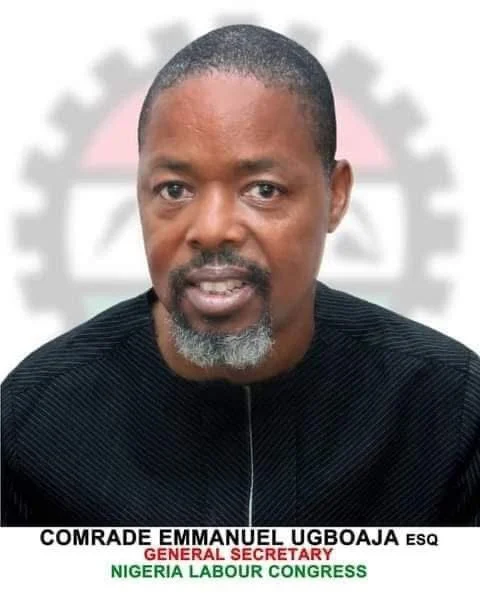
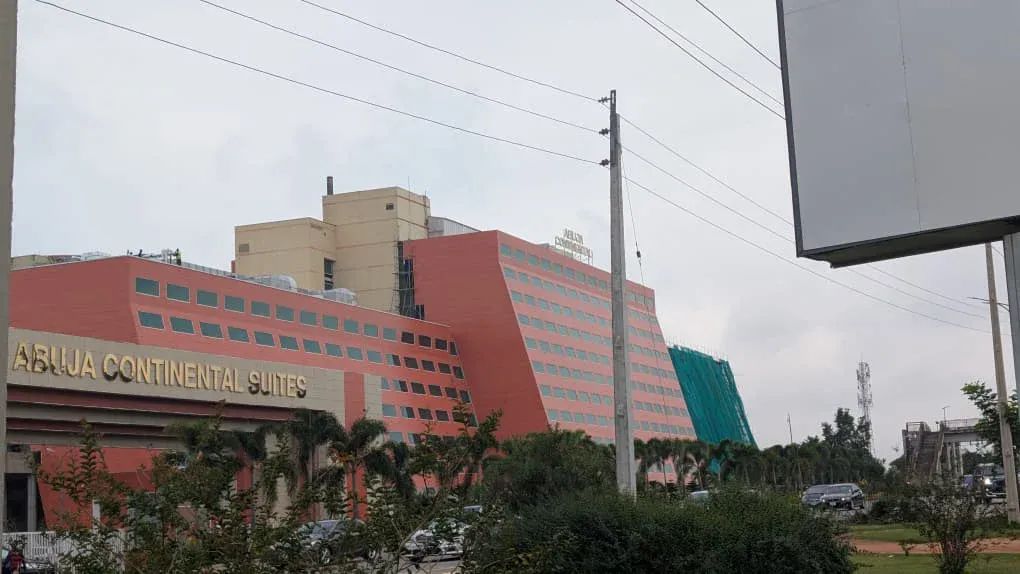
The NLC Assistant Secretary, Chris Onyeka, made the call on Thursday in a goodwill message delivered at the third annual labour conference of the Labour Correspondents’ Association of Nigeria in Abuja.
He urged journalists to scrutinise political parties’ economic proposals and demand clear commitments to improving workers’ welfare.
Onyeka said the forthcoming elections and negotiations for a new national minimum wage presented opportunities to address the economic hardship confronting Nigerian workers.
He stressed that wages should reflect the value of labour, declaring, “Minimum wage is not a charitable gesture; it is the price of labour power, and any economic reform that suppresses wages in the name of ‘stabilisation’ is a reform against the worker, not for the economy.”
He called on LACAN to support the labour movement’s campaign for better wages, job security and social protection, warning that economic reforms should not leave workers worse off.
He also described the struggle for a living wage as a broader fight for workers’ rights, saying, “The battle for a living wage—not just a minimum wage—is a class struggle, and it requires a media that is armed with the truth, not compromised by the corridors of power.”
The NLC official expressed concern over increasing casualisation, the expansion of the platform economy and the weakening of conventional employment arrangements, warning that these trends could undermine workers’ rights and collective bargaining.
He said, “The Nigerian worker is already living in a dystopian version of this future: casualised, underpaid, and increasingly invisible in a digital economy that extracts value while denying rights.”
Onyeka also urged labour correspondents to strengthen their participation in the Nigeria Union of Journalists, arguing that professional institutions were essential to defending press freedom and protecting journalists’ working conditions.
He said, “You cannot defend the rights of workers if your own house is not in order. The struggle for press freedom is intrinsically linked to the struggle for workers’ rights.”
He cautioned journalists against publishing reports that could deepen divisions within the labour movement, particularly over agreements between organised labour and the Federal Government.
Urging them to avoid propaganda and unverified claims, he said, “Report the facts; do not amplify propaganda.”
He further called for more consistent reporting on the impact of government policies on ordinary Nigerians, particularly casual workers, low-income earners and other vulnerable groups.