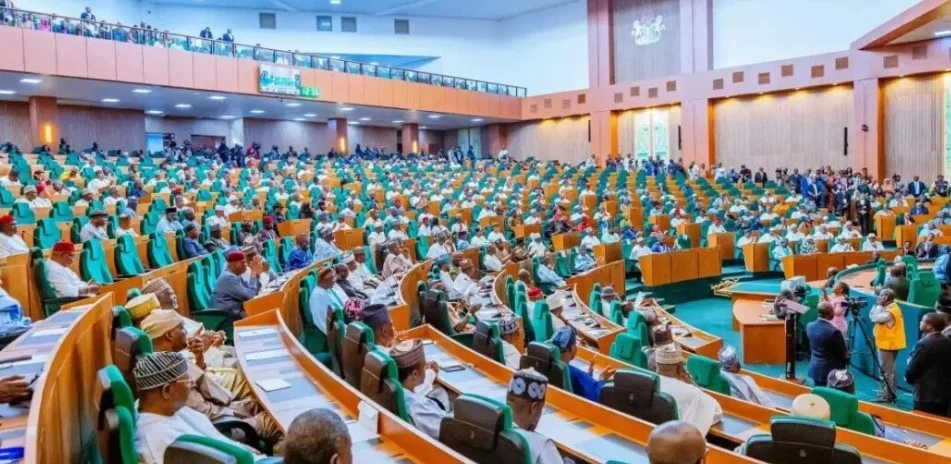
The House of Representatives has directed the Chairman of the Independent National Electoral Commission, Prof. Joash Amupitan (SAN), to brief lawmakers on preparations for Nigeria’s 2027 general elections, including security challenges and concerns over the possible disenfranchisement of eligible voters.
The development comes amid allegations by the African Democratic Congress Presidential Campaign Council that there is a plot to postpone the presidential election scheduled for January 16, 2027.
The opposition campaign council warned President Bola Tinubu against using the Ebola outbreak as a reason to alter the election timetable, although it provided no evidence to support its allegation.
INEC has fixed January 16, 2027, for the presidential and National Assembly elections, while governorship and state House of Assembly elections are scheduled for February 6, 2027.
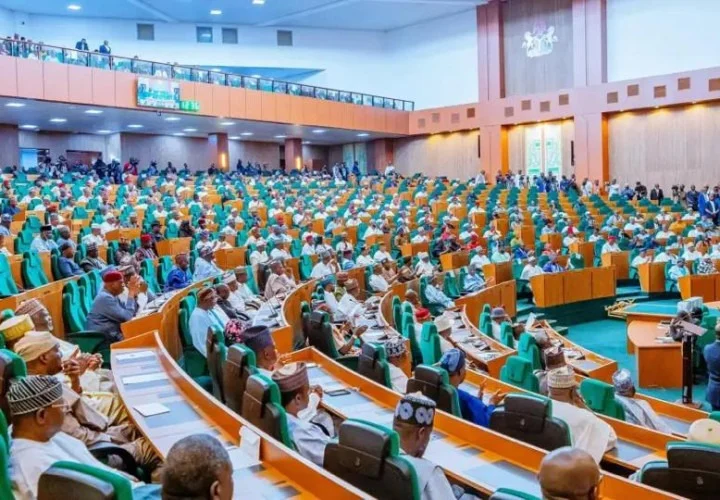
The House gave Amupitan seven legislative days to appear before its Committee on Electoral Matters following the adoption of a motion during Wednesday’s plenary.
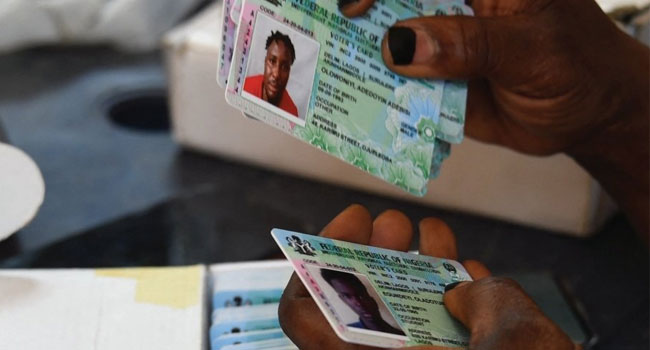
The committee will assess the commission’s readiness in voter registration, Permanent Voter Card distribution, election logistics, technology deployment, personnel training, security arrangements and funding.
The lawmakers will also examine lessons from the recent governorship elections in Ekiti and Osun states, particularly in election administration, logistics, technology use, stakeholder engagement and voter participation.
The motion was sponsored by the Minority Whip, Mansur Soro, and the Deputy Minority Leader, Abdulsamad Dasuki, who expressed concerns about the commission’s preparedness and the impact of insecurity on electoral participation.
The sponsors initially proposed inviting the INEC chairman to address the entire House during plenary. However, Deputy Speaker Benjamin Kalu argued that the responsibility should be handled by the Committee on Electoral Matters, which is constitutionally mandated to oversee the commission.
Kalu maintained that summoning Amupitan before the full House was unnecessary, noting that the INEC chairman had recently briefed the public on the commission’s preparations and challenges.
“While I agree such oversight should be carried out, I believe that the oversight should be by the committee of the House that has been given this responsibility to do so.
“Inviting the chairman of INEC to come and brief the House, when he just finished briefing the nation, is not ideal.
“Don’t we believe in our committees again? Our committees are there, charged with the responsibilities. The chairman and members of this committee are well-educated and well-informed to carry out their decisions,” he said.
Speaker Tajudeen Abbas subsequently clarified that the House supported the proposed oversight but wanted the engagement conducted through the appropriate committee.
“The committee should invite the chairman and should advertise the date of his appearance so that members who want to attend and ask questions can do so,” he said.
While presenting the motion, Soro referenced Sections 76, 116, 132 and 178 of the 1999 Constitution, as amended, provisions of the Constitution’s Third Schedule and the Electoral Act 2026.
He said the provisions established INEC’s responsibility for organising and supervising elections.
He argued that the credibility and acceptance of the 2027 elections would depend on the commission’s ability to manage voter registration, voter education, logistics, electoral technology, staff training, security coordination and funding effectively.
Soro also highlighted difficulties reported at Continuous Voter Registration centres across the country, including inadequate equipment, insufficient personnel, network failures, long waiting periods and increased demand from citizens seeking to register or update their details.
He warned that the challenges could disproportionately affect first-time voters, rural residents, persons with disabilities, students and workers, potentially limiting their participation in the electoral process.
“These operational difficulties particularly affect first-time voters, rural citizens, individuals with disabilities, students, and workers, limiting their access to registration and threatening the participation of eligible voters in the electoral process without timely interventions,” he said.
Dasuki said the motion was also intended to address concerns about voters in areas affected by insecurity and whether they would be able to participate in the elections.
“This is the very first time we are going into an election with 11 months of security concerns,” he said.
He disclosed that lawmakers had sponsored approximately 255 motions on insecurity, arguing that the situation raised questions about the ability of residents in some constituencies and polling units to exercise their voting rights.
Dasuki urged INEC to explain how it intended to conduct elections in areas where security threats could prevent voters from reaching polling stations or disrupt electoral activities.
Meanwhile, the ADC Presidential Campaign Council accused the Presidency of allegedly considering a postponement of the January 16 presidential election.
It claimed that Amupitan could be invited to the Presidential Villa and pressured to change the date, but offered no evidence to substantiate the allegation.
In a statement issued on Wednesday, the council’s Director of Strategic Communication, Phrank Shaibu, urged the INEC chairman to reject any attempt to alter the published election timetable.
“The election date belongs to Nigerians. It must not be rewritten behind closed doors at the Villa,” the council said.
The campaign council challenged Tinubu to seek another term through the scheduled election rather than pursue a postponement.
“If President Tinubu believes Nigerians want another four years of his government, he should face them at the ballot box, not seek more time through the back door,” the statement added.
The ADC argued that Nigerians had endured three and a half years of rising prices, declining purchasing power and economic hardship, insisting that voters should be allowed to evaluate the administration’s performance at the polls as scheduled.
It warned that changing the election timetable without compelling justification could weaken public confidence in the electoral process.
Although the council acknowledged the seriousness of the Ebola outbreak, it cautioned against using the public health situation as a political justification for postponing the elections.
“Ebola is a serious public health concern. Health professionals must be free to contain it, and INEC must take every necessary step to protect voters and election workers,” it said.
The council further claimed that the Director-General of the Nigeria Centre for Disease Control and Prevention, Dr Jide Idris, had said there was currently no reason to postpone the election.
It called on INEC to implement appropriate health and safety measures to protect voters and electoral workers while maintaining the published timetable.
The campaign council also urged local election observers and international monitoring organisations to closely scrutinise any proposal to change the election date, insisting that such a decision should be backed by publicly available health evidence.
“The Presidency must not use a health emergency to escape an electoral verdict,” it said.