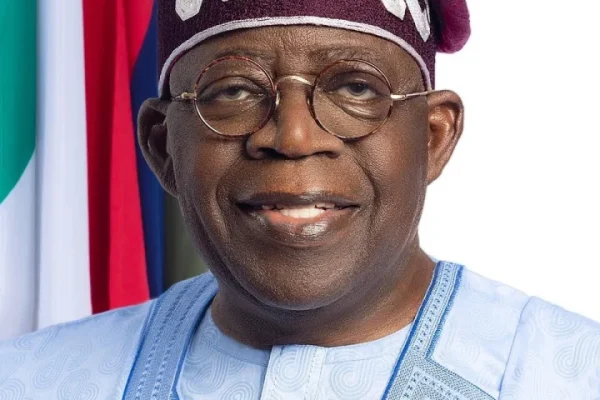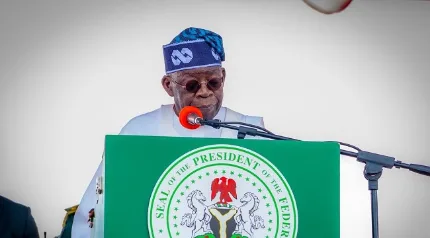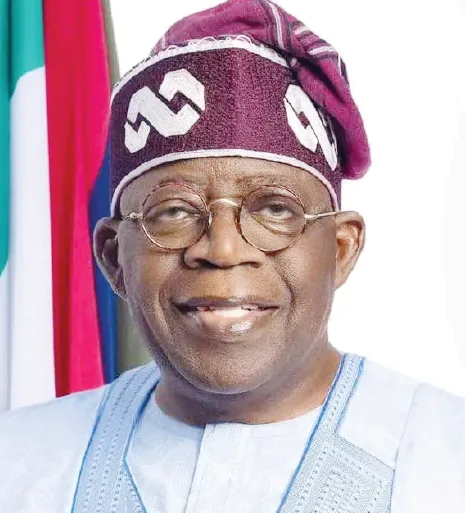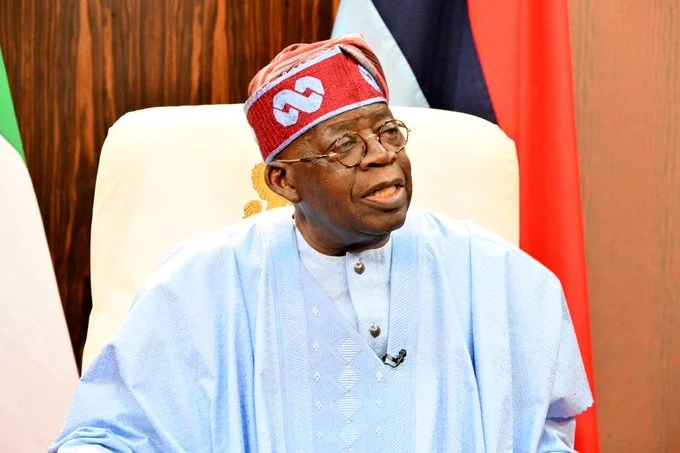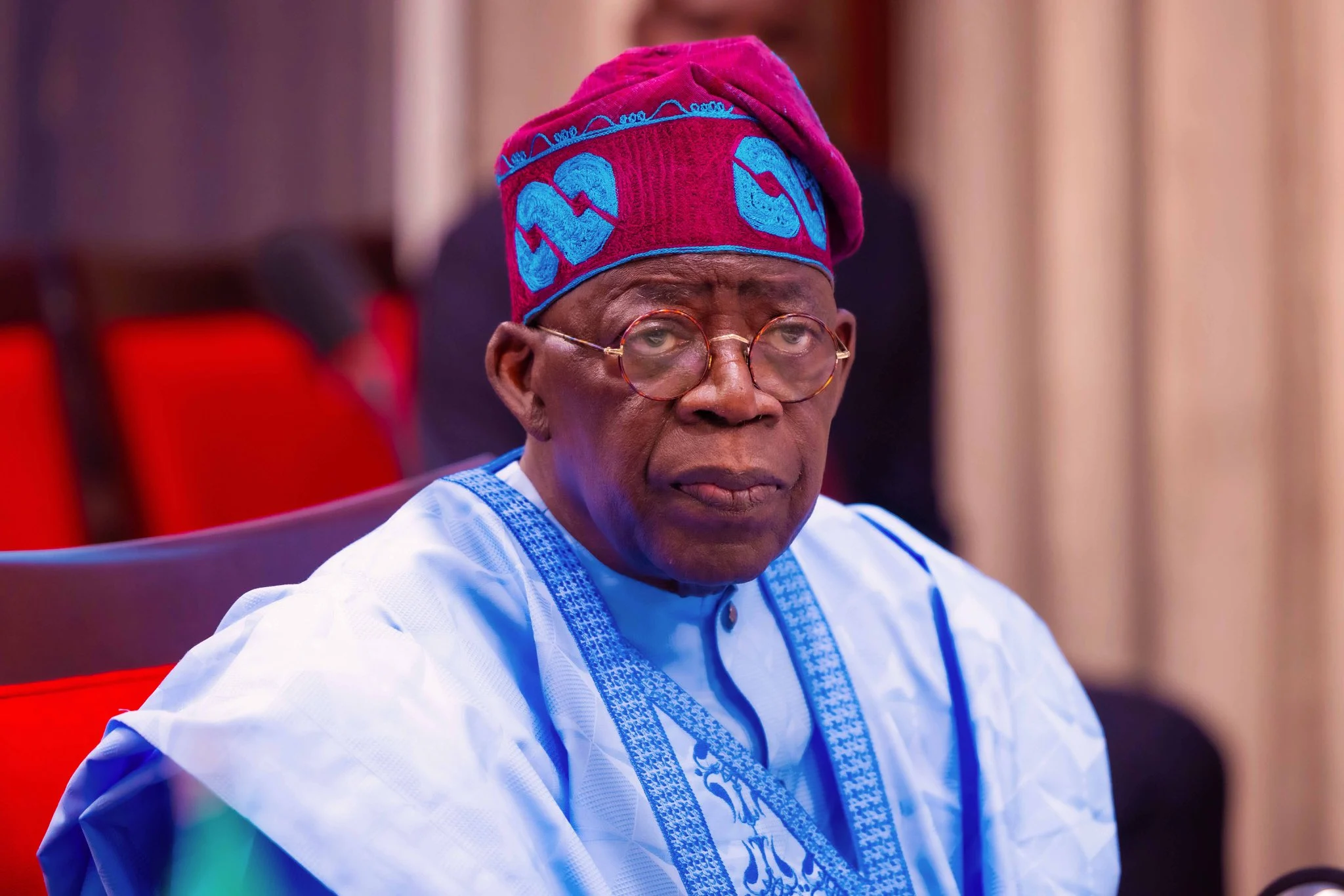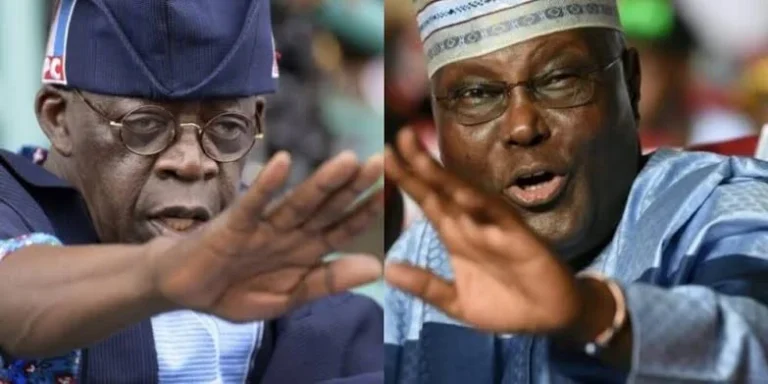
President Bola Tinubu has asked the National Assembly to approve a proposed external borrowing plan worth $20.52bn and €1.05bn for the 2026–2027 fiscal period to fund infrastructure and development projects across Nigeria
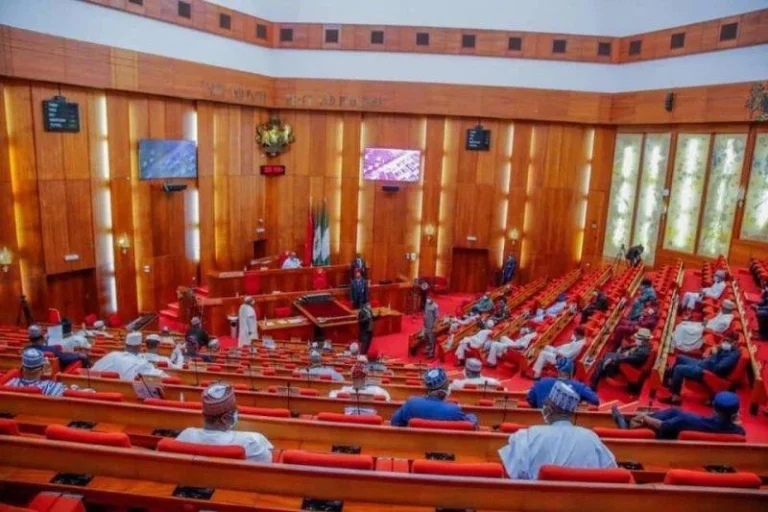
The request was presented to the Senate during Tuesday’s plenary after the President of the Senate, Senator Godswill Akpabio, read Tinubu’s letter to lawmakers.
In the correspondence, the President called for prompt consideration and approval of the proposed financing, explaining that the funds would be used for projects spanning power, transportation, healthcare, agriculture, education, water supply, security, employment generation and financial management reforms.
The proposed borrowing amounts to $20,517,755,901 and €1,045,083,643, respectively.
Tinubu said the additional external financing was necessary to address the country’s infrastructure deficit and overcome funding constraints affecting the execution of development projects.
He wrote, “I submit the attached Federal Government 2026–2027 Supplementary External Borrowing Plan for consideration and early approval of the National Assembly to ensure prompt implementation of our projects.”
The President said the projects under the plan had been selected after technical and economic assessments to determine their potential contributions to Nigeria’s socioeconomic development.
According to him, the proposed investments would also support job creation, skills development, entrepreneurship, poverty reduction and improved food security.
“These initiatives aim to generate employment, promote skill acquisition, foster entrepreneurship, reduce poverty and enhance food security, all of which improve the livelihood of the Nigerian child,” he said.
Tinubu noted that most of the projects would be executed across Nigeria’s 36 states and the Federal Capital Territory, reflecting the nationwide reach of the planned investments.
He maintained that the country’s extensive infrastructure requirements had made additional financing necessary, adding that external borrowing would help bridge the funding gap.
“In light of the need for significant infrastructure investment in the country and the vast financial resources needed to address this gap, it has become essential to pursue prudent external borrowings to close the financing shortfall,” Tinubu stated.
He further identified power, transportation and healthcare as key sectors expected to benefit from the proposed funds, urging the National Assembly to approve the plan without delay to facilitate disbursement and accelerate project implementation.
However, the proposal is expected to undergo legislative scrutiny, particularly regarding its relationship with previous borrowing approvals and existing government financing arrangements.
Speaking after reading the letter, Akpabio indicated that the borrowing plan had featured in earlier budgetary and government financing arrangements, although he was uncertain about the exact period covered by the previous approval.
“The borrowing plan is attached, but of course, this was even earlier approved in our budget, and also the external borrowing plan was approved as far back as 2025 to 2027, I think to 2028 or thereabout,” Akpabio said.
The Senate President said the request would be referred to the Senate Committee on Local and Foreign Debts for examination, with the Committees on Appropriations and Finance potentially involved in the review.
“However, this request will be looked at by the Committee on Local and Foreign Debts, probably in collaboration with Appropriations and Finance, but mainly by the Committee on Local and Foreign Debts,” he stated.
Akpabio also mentioned Senator Haruna Manu in connection with the leadership of the committee.
The committee is expected to examine the proposed borrowing package and determine how it relates to previously approved financing plans before the Senate decides on the next steps.
The request comes as the Federal Government seeks additional funding for infrastructure development and other programmes intended to stimulate economic growth and address persistent gaps in public services.
The Senate’s decision will determine whether the proposed external loans receive the required legislative approval.