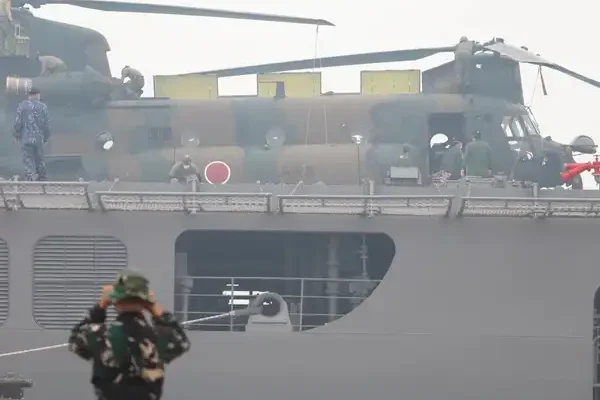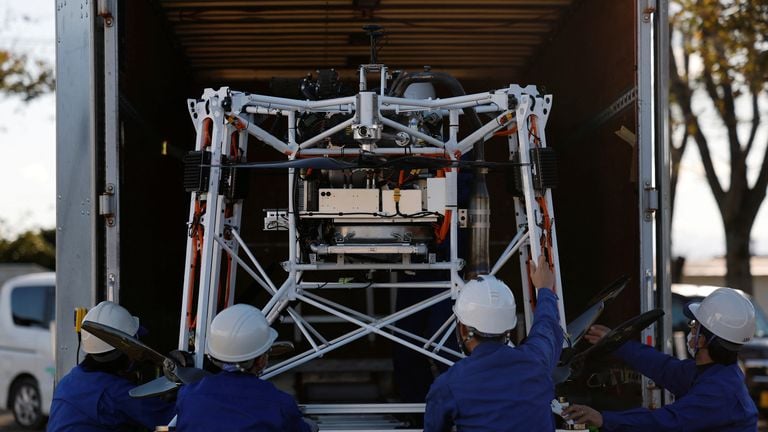
Japan is increasingly turning to its automobile manufacturing industry to strengthen its defence capabilities as the government pushes ahead with its biggest military expansion since the end of World War II.
The move is creating new business opportunities for automobile parts manufacturers, many of which are diversifying into military technology amid slowing vehicle orders and growing competition from Chinese automakers.
One of the companies benefiting from the shift is Aster, a Japanese manufacturer that previously supplied components for Toyota vehicles.
The company now produces electric motors for drones manufactured by US defence technology firm Anduril, with defence-related contracts accounting for about 10 per cent of its revenue since it entered the sector last year.
Aster’s Chief Executive Officer, Takenobu Hongo, described the new business as more profitable than its traditional automotive operations.
“Drones are a much better business,” he said, adding that “automotive motors aren’t very profitable” for the company at the moment.
The Japanese government is encouraging automobile suppliers to embrace the defence industry as it seeks to strengthen national security against potential threats from China, Russia and North Korea.
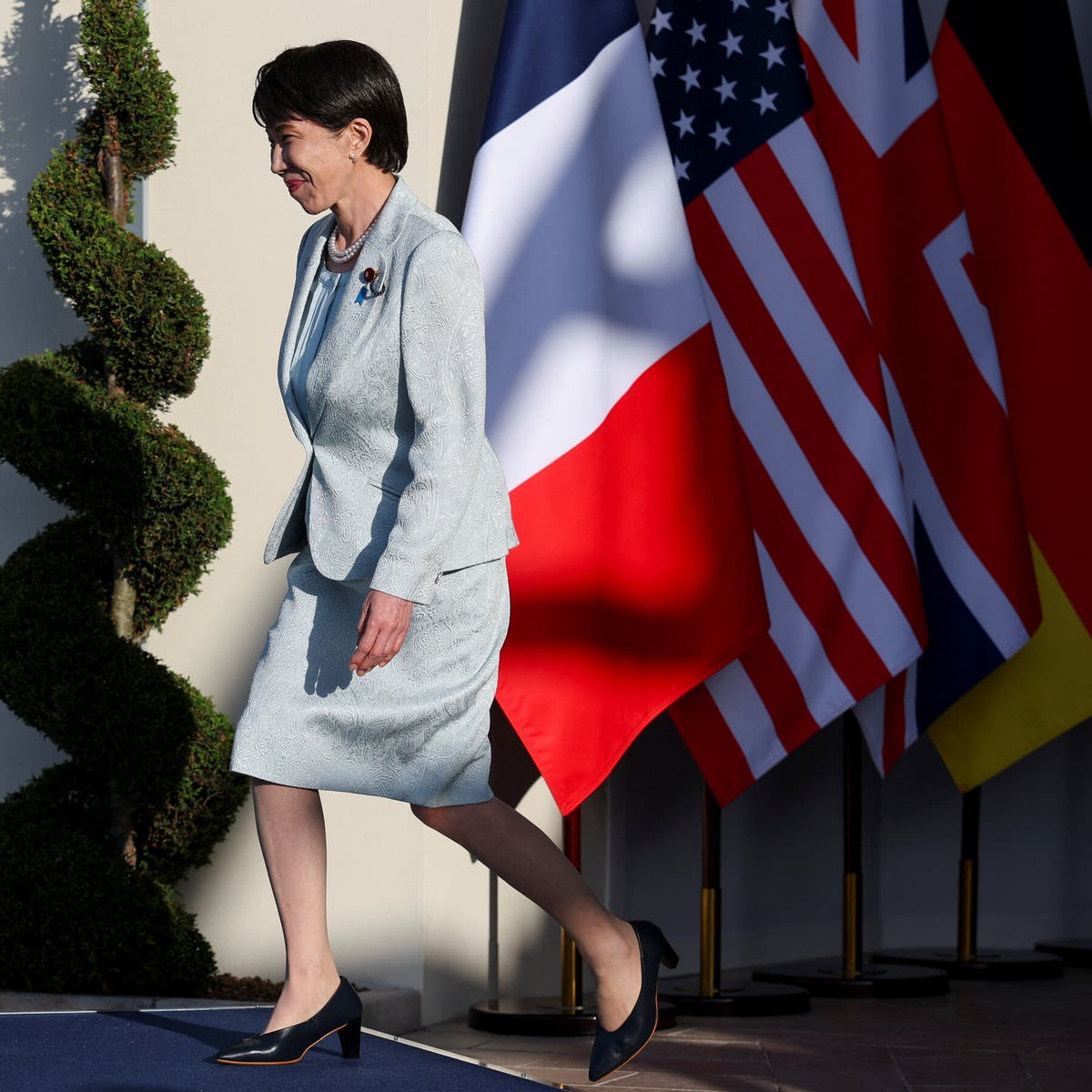
Prime Minister Sanae Takaichi’s administration is also responding to pressure from the United States for its allies to increase military spending.
Japan’s Acquisition, Technology and Logistics Agency, which oversees defence procurement, has been identifying potential suppliers, connecting them with arms manufacturers and providing financial support for companies developing military technology.
The agency launched a funding programme in October to support the development and testing of new defence equipment, including unmanned aerial vehicles.
Other manufacturers are already benefiting from the growing demand.
Kyowa Industrial, a producer of automobile engine components, has increased its defence-related business to 10 per cent of annual sales, compared with three per cent in spring 2025.
Its Chief Executive Officer, Hiroko Suzuki, said the company was receiving more orders for prototype drone engines as traditional military suppliers struggled to meet demand.
“Customers tell us their traditional suppliers don’t have the capacity,” Suzuki said.
The government is particularly interested in expanding domestic drone production, with its forthcoming national security strategy expected to outline plans for fleets of attack and interceptor drones.
However, Japan’s drone manufacturing capacity remains limited, with the country exporting slightly more than 1,100 drones last year, compared with approximately 123,000 exported by Taiwan.
Some automobile suppliers are also exploring opportunities to supply military contractors in the United States and Europe.
A government-organised industry event in September attracted 48 Japanese companies seeking connections with potential defence customers, twice the number recorded the previous year.
However, the transition remains largely concentrated among smaller manufacturers, as major automobile companies remain cautious about entering the defence sector.
Toyota has maintained that it has no plans to undertake defence-related activities, while Honda said it had no specific plans to enter the industry.
Nissan also declined to comment on possible defence contracts.
Toyota senior executive Hiroyuki Ueda said at a results briefing earlier this month, “The company’s basic position at this point is that we will not do anything related to defence.”
The reluctance is partly linked to concerns about reputational damage and the potential impact on business relationships with China, where major Japanese automakers maintain significant commercial interests.
Despite the reservations, some industry players believe the security challenges facing Japan will encourage more companies to embrace military production.
Hongo said there were growing public concerns about national security, adding, “In Japan now, there are very few people who think this is somebody else’s problem.”