Japan’s parliament has passed legislation easing some imperial succession rules in an effort to address the shrinking size of the royal family.
The bill, which received approval from the upper house on Friday after clearing the lower house last week, permits the imperial family to adopt distant male relatives aged 15 and above. It also allows female royals to retain their imperial status after marrying commoners.
Despite the reforms, the legislation does not alter the longstanding rule that prevents women from ascending the Chrysanthemum Throne.
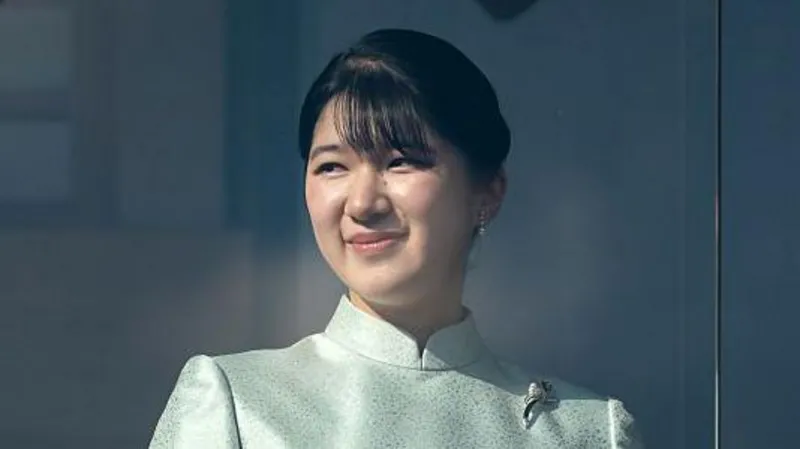
As a result, Princess Aiko, the only child of Emperor Naruhito, remains ineligible to succeed her father.
The measure will now undergo the remaining legal procedures before taking effect.
Japan is home to the world’s oldest continuous hereditary monarchy, with an imperial lineage believed to extend back more than 2,600 years.
Under the current order of succession, Crown Prince Fumihito, the emperor’s 60-year-old younger brother, is first in line to the throne.
His 19-year-old son, Prince Hisahito, is second, while the emperor’s 90-year-old uncle is third and the final eligible heir.
If Prince Hisahito does not father a son, the existing line of succession would eventually come to an end.
The new law seeks to ease that concern by allowing male descendants from 11 former imperial branches, removed from the imperial household after the Second World War, to be adopted back into the family.
The legislation also enables female members of the imperial family to keep their royal titles after marrying outside the nobility.
Previously, they were required to relinquish their status and leave the imperial family, as Princess Mako did in 2021 when she married her former college classmate.
Although the reform expands the number of working royals available for ceremonial duties and public engagements, children born to female royals who marry commoners will still be barred from inheriting the throne.
The amendment is the first revision to the main text of the Imperial House Law since 1949 and represents the most significant reform of Japan’s imperial system in decades.
Concerns over the limited number of male heirs have fuelled years of debate over whether women should be permitted to inherit the throne.
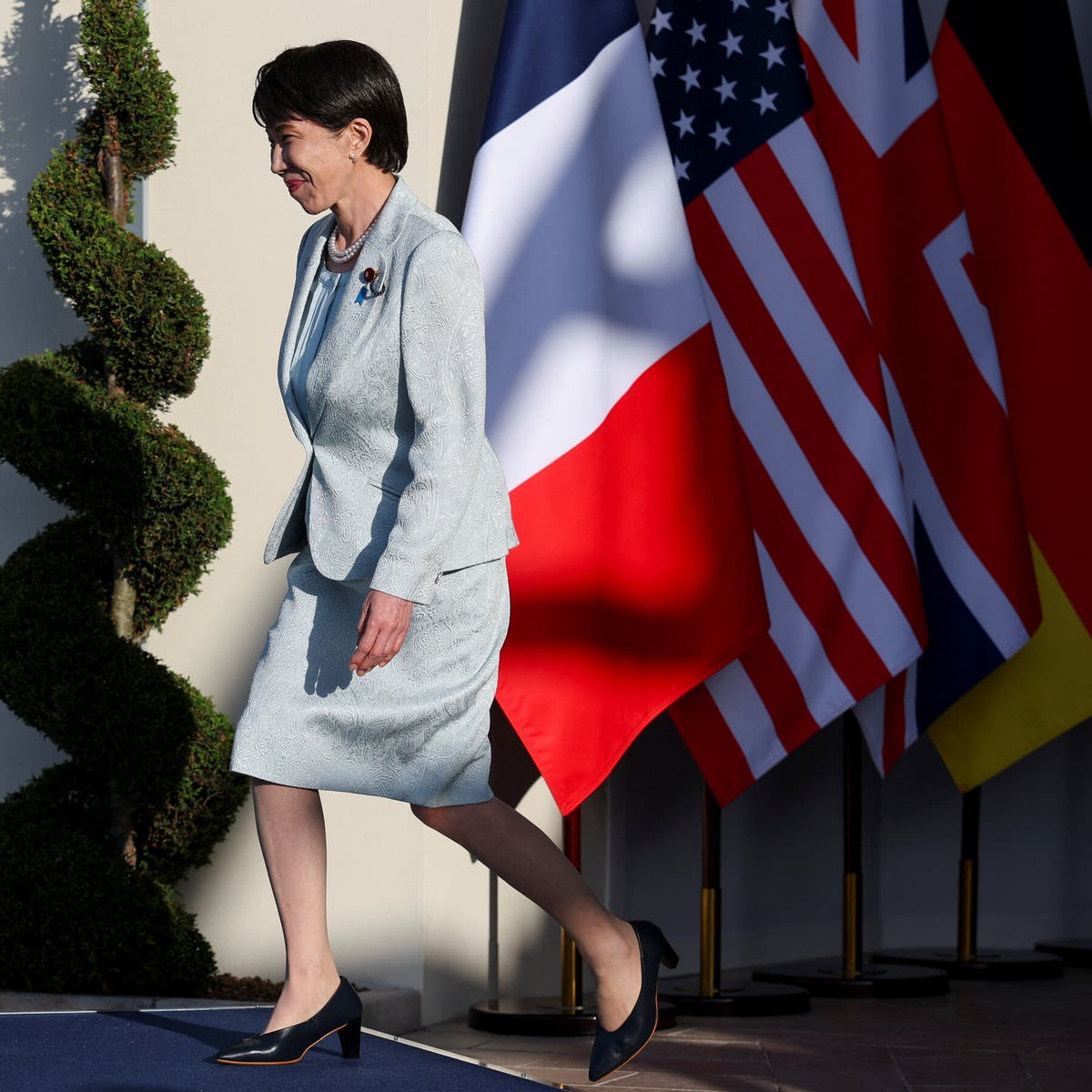
Prime Minister Sanae Takaichi and other conservative political leaders have defended the male-only succession system, arguing that it is essential to preserving the legitimacy of the imperial institution.
However, public opinion has consistently favoured allowing a woman to become emperor.
In a June survey conducted by newspaper Mainichi Shimbun involving more than 2,000 respondents, over 70% expressed support for a female emperor.
Another poll by Kyodo News found that 83% of respondents backed allowing a woman to ascend the throne.