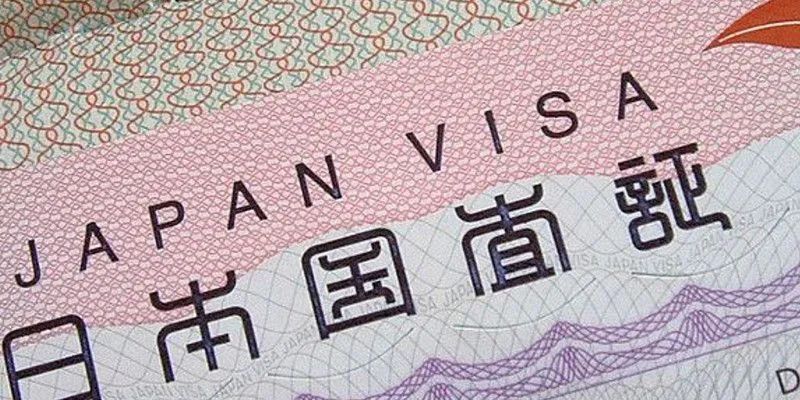
The Japanese government has approved a significant increase in visa application fees for Nigerians and other foreign nationals, marking the first revision in nearly five decades.
According to reports from Japan Times, the decision was taken at a Cabinet meeting held on Friday and will affect both single-entry and multiple-entry visa categories.
Under the new fee structure, the cost of a single-entry visa has been raised from ¥3,000 (about $18.60) to ¥15,000 (about $92.99), representing a 400 percent increase.
Multiple-entry visas will also rise from ¥6,000 ($37.20) to ¥30,000 ($187.97). The new charges will take effect from July 1, 2026.
Japan’s Foreign Minister, Toshimitsu Motegi, said the revision was necessary after decades without adjustment.
“The current visa fee was set in 1978, and we have recently revised it to reflect inflation and exchange rate fluctuations since then,” Motegi explained at a press briefing.
He added that the government did not expect an immediate decline in tourism despite the sharp increase.
“We made this decision after carefully considering various factors, and we do not anticipate that it will have an immediate impact on inbound tourism,” he said.
The visa adjustment is part of a broader immigration-related reform package recently passed by Japan’s legislature. The Upper House had earlier approved a bill allowing visa-related fees to rise significantly, with some charges potentially increasing up to 30 times their current levels.
The policy is aimed at generating additional revenue to manage Japan’s growing foreign population, which reached a record 4.13 million at the end of 2025. Authorities say the funds will also support Japanese-language education for migrants and strengthen enforcement against visa overstays.
Officials further argued that the revised fees would bring Japan closer in line with Western countries, noting that visa renewal charges in the United States and Germany are already considerably higher.
The full implementation of the revised residency and visa fee structure is expected before the end of the 2026 fiscal year, on March 31, 2027.