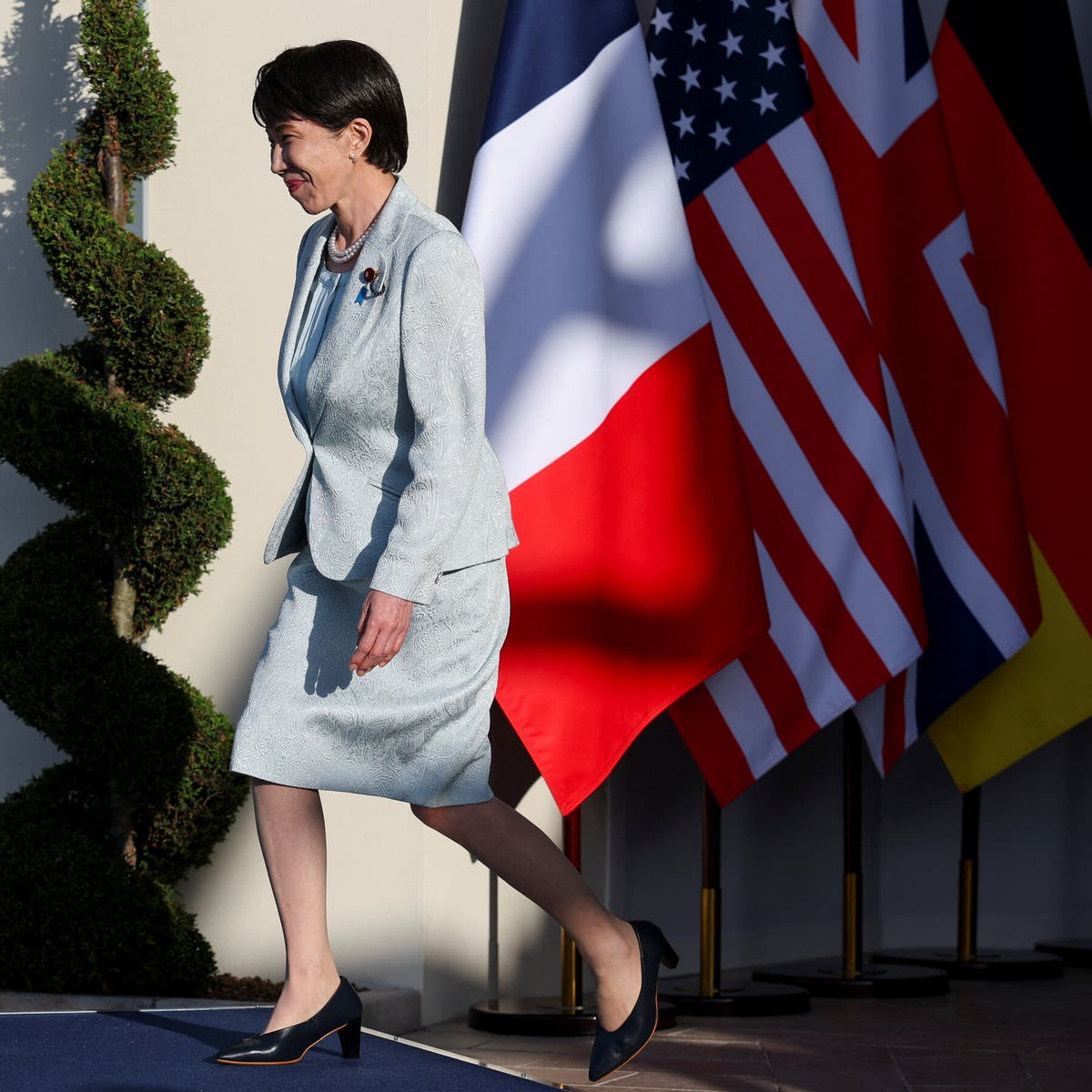
Japan has warned defence contractors of significant reductions in anticipated military orders as financial constraints threaten its planned military expansion, which Prime Minister Sanae Takaichi’s government considers necessary to counter China’s growing military influence, Reuters reports.
Officials at the Finance Ministry proposed allocating between 50 trillion yen ($313bn) and 60 trillion yen ($376bn) to defence over the five years beginning April 2027, according to four sources familiar with the discussions.
The proposed funding, although higher than the 43 trillion yen earmarked for the current five-year defence programme, falls considerably short of the 80 trillion yen expected by some defence officials and lawmakers of the ruling Liberal Democratic Party during negotiations with military equipment manufacturers.
The lower allocation could result in reductions of up to 50 per cent in planned purchases of certain missiles and aircraft from local and foreign suppliers, including US-made F-35 stealth fighters, the sources said.
However, planned orders for military drones would remain unaffected by the revised funding proposal.
Japan’s major defence contractors include Mitsubishi Heavy Industries, Mitsubishi Electric and Kawasaki Heavy Industries. Mitsubishi Heavy Industries and Mitsubishi Electric declined to comment on the proposal, while Kawasaki Heavy Industries had not responded to a request for comment at the time of reporting.
Finance Minister Satsuki Katayama said discussions on the proposed spending were not sufficiently advanced to warrant detailed comments.
“The advisory panel on security and defence has not yet discussed matters at that level of detail either, so I don’t think we are at a stage where I should comment,” she told reporters.
A Defence Ministry spokesperson also said the government had yet to determine the size of its next defence expansion programme.
“Nothing has been decided on the size of the next defence buildup plan. Our position is to determine what Japan needs for its defence and build up the budget accordingly,” the spokesperson said.
The proposed allocation of up to 60 trillion yen would also leave Japan below its target of increasing defence expenditure to two per cent of gross domestic product, according to Reuters calculations, amid pressure from US President Donald Trump for allied nations to increase military spending.
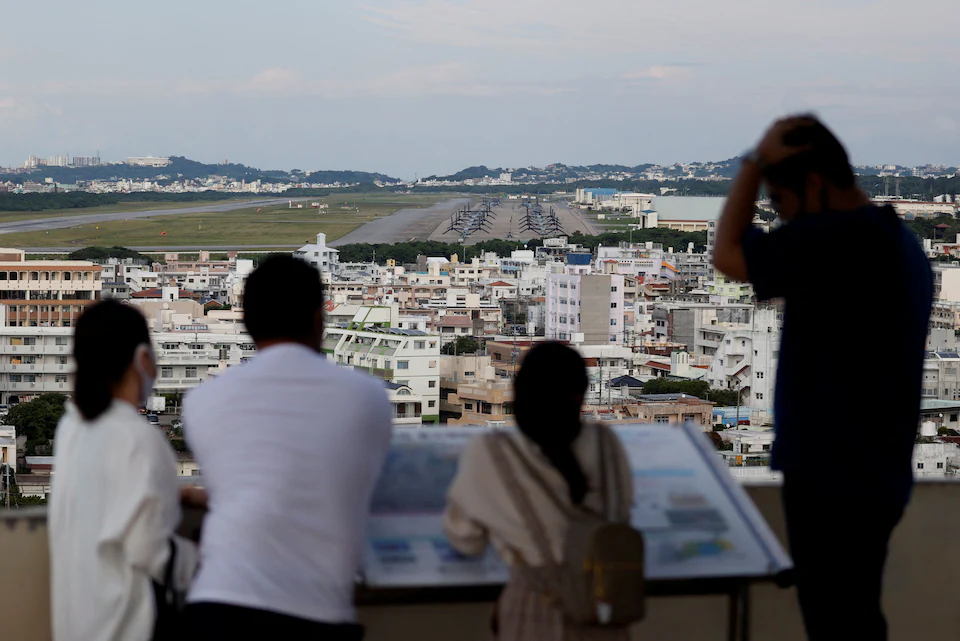
Japan’s military expansion is driven by concerns over China’s growing military capabilities and the possibility of a conflict involving Taiwan, which could threaten Japanese islands and critical maritime routes.
Takaichi has pledged to accelerate the country’s defence buildup, with her administration expected to release a revised national security strategy and defence plan before the end of the year.
The government is also seeking to increase ammunition stockpiles and deploy military drones to strengthen deterrence and prepare for a prolonged conflict.
However, the Finance Ministry has argued that a substantial increase in defence spending would be difficult to sustain alongside the government’s economic investment plans and proposed reduction in sales tax on food, which could significantly reduce revenue.
According to three sources, the proposed tax reduction could create an annual revenue shortfall of 4.3 trillion yen, which the government would need to cover through alternative funding arrangements, potentially including foreign exchange reserves.
The proposal is expected to face opposition from defence hawks within Takaichi’s party, who believe the proposed allocation is inadequate given Japan’s security challenges.
One ruling party official familiar with the discussions said the country could not afford to limit its military spending to the proposed range.
“A contingency could occur at any time. If the goal is to build the capabilities necessary to deter and prevent such a contingency, a figure in the 50-trillion-yen range is out of the question,” the official said.