The standoff between Iran and the United States escalated on Sunday after Tehran again restricted access to the strategic Strait of Hormuz, warning that a comprehensive peace agreement remains out of reach despite ongoing diplomatic efforts.
Iranian authorities said the waterway would not be fully reopened until Washington lifts its blockade on Iranian ports, a key sticking point in negotiations aimed at de-escalating the conflict involving Iran, Israel, and allied forces.
Speaker of Iran’s parliament, Mohammad Bagher Ghalibaf, acknowledged that discussions with the United States had yielded limited progress but stressed that major disagreements persist.
“There has been some progress in talks, but there are still serious gaps,” Ghalibaf said during a televised address. “We are far from reaching a final agreement.”
A temporary ceasefire currently in place is expected to expire midweek unless renewed, raising concerns about a possible return to full-scale hostilities.
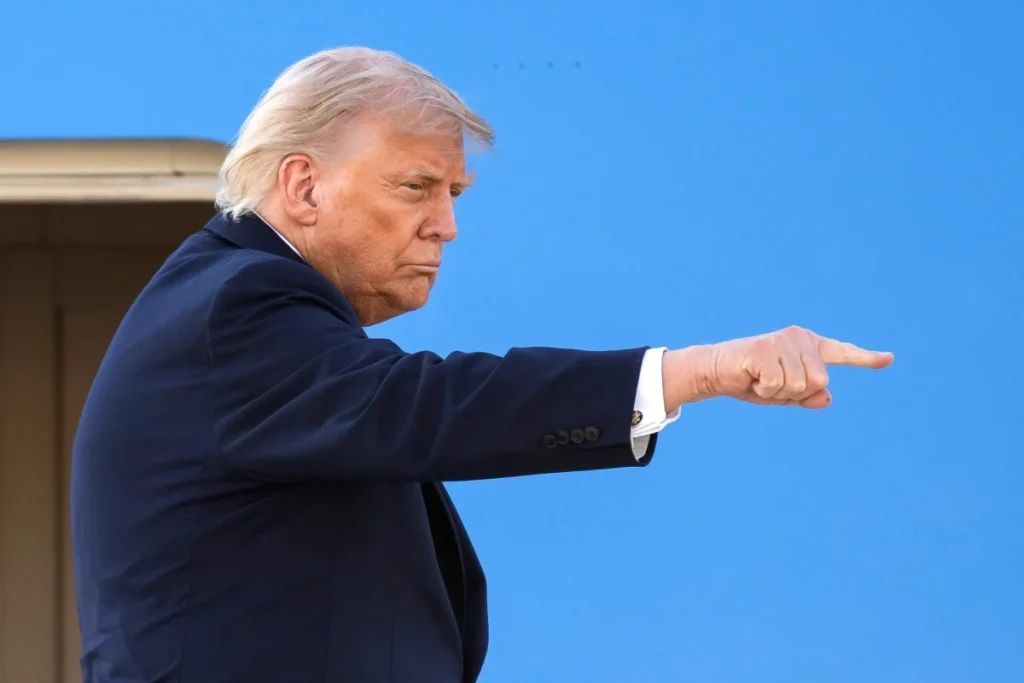
On the U.S. side, President Donald Trump described ongoing discussions as positive but cautioned Iran against leveraging the closure of the strait as a negotiating tactic.
“We are having very good conversations,” Trump said at the White House. “But Iran must not attempt to pressure the United States by threatening global shipping routes.”
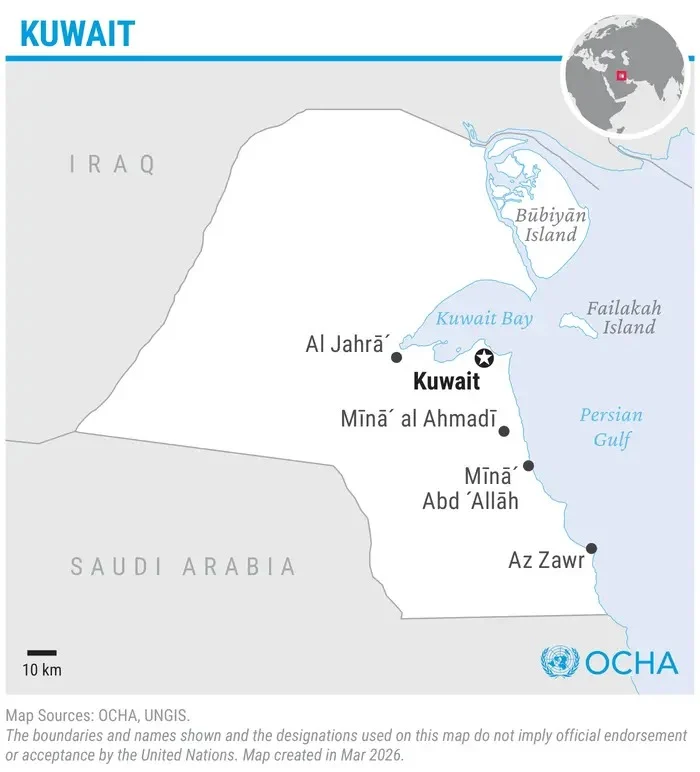
The Strait of Hormuz, a narrow passage linking the Persian Gulf to global markets, is a critical artery for energy supplies, with roughly one-fifth of the world’s oil and liquefied natural gas shipments passing through it.
Although the route was briefly reopened following a ceasefire agreement tied to fighting involving Hezbollah, Iran reversed its position after Washington maintained sanctions and port restrictions.
“If the blockade continues, traffic through the strait will be limited,” Ghalibaf warned.
Iran’s leadership also signalled readiness for further confrontation.
The country’s supreme leader, Mojtaba Khamenei, stated in a message that Iran’s naval forces were prepared to respond to any perceived threats.
Meanwhile, the Islamic Revolutionary Guard Corps issued a stern warning to vessels attempting to pass through the strait without authorization.
“Any ship entering without permission will be treated as cooperating with hostile forces and may be targeted,” the Guards said.
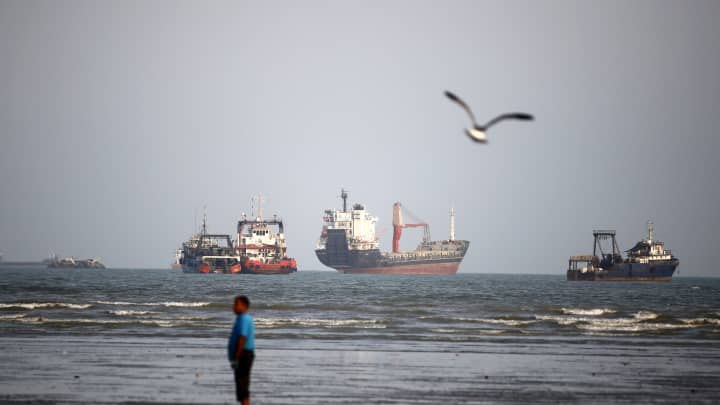
Shipping activity in the area has already been affected, with only a few tankers transiting during a brief reopening period before many vessels reportedly turned back due to rising security risks.
Several maritime incidents have also heightened tensions. Reports indicated that a tanker came under fire, while another vessel sustained damage from an unidentified projectile.
In a separate development, India lodged a formal protest after two of its flagged ships were involved in a shooting incident in the strait.
Diplomatic efforts led by Egypt and Pakistan are ongoing, with mediators expressing cautious optimism about reaching an agreement in the coming days.
However, one of the most contentious issues remains Iran’s stockpile of highly enriched uranium. While President Trump claimed Tehran had agreed to hand over the material, Iranian officials strongly denied the assertion.
“Our nuclear materials will not be transferred anywhere,” Iran’s foreign ministry said. “Such a proposal has never been part of negotiations.”
The broader conflict began in late February following coordinated strikes by U.S. and Israeli forces on Iranian targets, triggering a regional escalation that has drawn in multiple actors, including Hezbollah in Lebanon.
Casualties continue to mount, with reports confirming the death of a French peacekeeper in southern Lebanon, alongside losses on the Israeli side despite a temporary truce.
With negotiations still fragile and tensions high, the renewed restriction of the Strait of Hormuz underscores the uncertainty surrounding efforts to end the conflict.