Iran’s Supreme Leader, Mojtaba Khamenei, has vowed that those responsible for the killing of his father and predecessor, Ali Khamenei, will face retaliation, escalating tensions between Tehran and Washington.
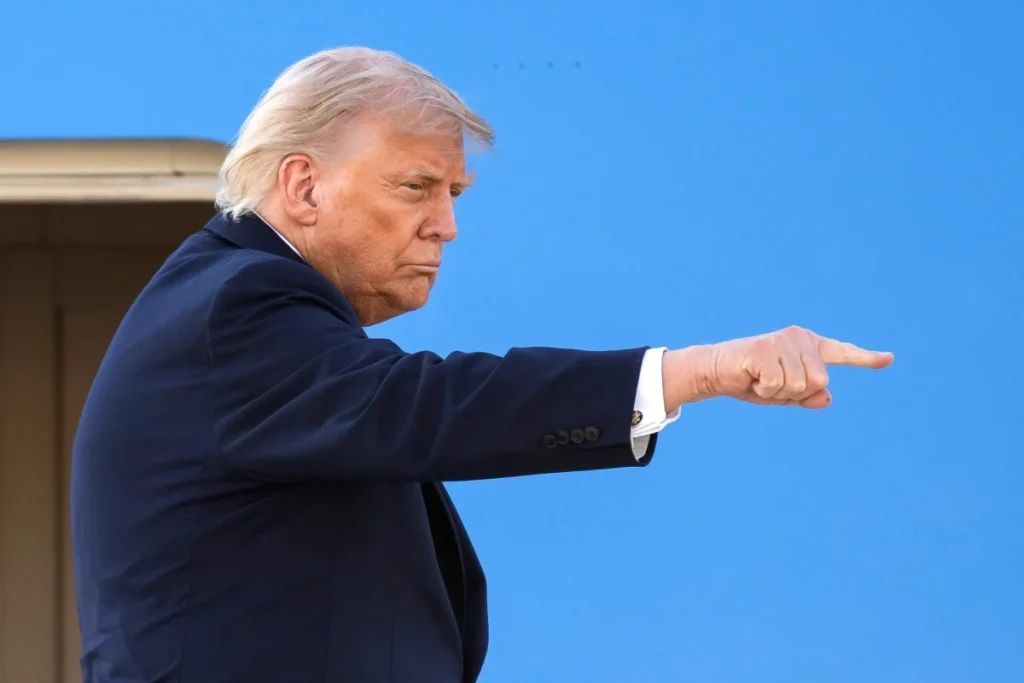
His remarks came just hours after United States President Donald Trump warned that any attempt on his life would trigger a devastating military response against Iran.
In a written message released on Saturday, Mojtaba Khamenei declared that revenge remained a national priority for Iran.
“Vengeance is the will of our nation and must inevitably be carried out,” he said.
The Iranian leader, who assumed office after Ali Khamenei was killed in US-Israeli strikes in late February, stressed that the pursuit of retaliation was not dependent on any individual.
“This matter depends neither on my personal existence nor on that of other officials. Whether we are present or not, it will come to pass,” he stated.
He also disclosed that Iran had compiled a list of individuals it intends to target.
Earlier, Trump issued a stern warning on his Truth Social platform, saying the United States was prepared to respond with overwhelming force if Iran attempted to assassinate him.
“One thousand missiles are locked and loaded and aimed at the Islamic Republic of Iran,” Trump wrote, adding that orders had already been issued for the US military to “completely decimate” Iran if such a threat materialised.
The latest exchange of threats follows renewed hostilities that have shaken an interim agreement aimed at ending the conflict that erupted in late February after large-scale US-Israeli strikes on Iran.
Despite the escalating rhetoric, diplomatic efforts are continuing.
Iranian media reported that a delegation from Qatar visited Tehran on Friday in a bid to revive negotiations, while Oman is hosting talks focused on the future of the Strait of Hormuz.
Iran’s Foreign Minister, Abbas Araghchi, maintained that Tehran had honoured its commitments under the memorandum of understanding signed last month.
“Iran has so far kept its word. Reality check: There can only be mutual compliance,” Araghchi said.
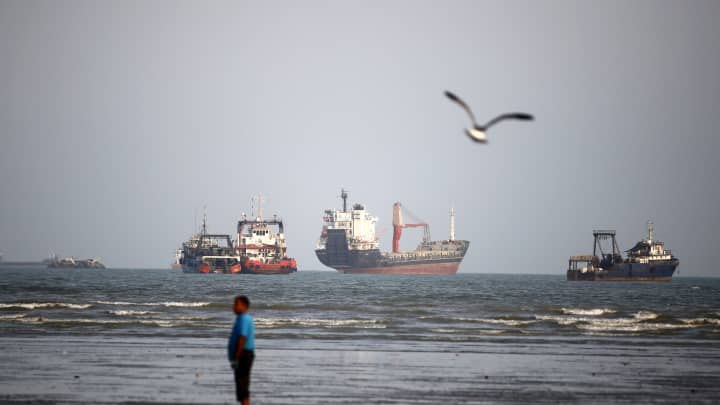
A major sticking point in the negotiations remains the Strait of Hormuz, a critical global shipping route that Iran closed during the conflict in response to US-Israeli attacks. Tehran has insisted it will regulate access to the waterway and plans to impose transit fees, a move strongly opposed by Washington.
Meanwhile, reports indicate the United States has given Iran until Saturday to halt attacks on commercial vessels transiting the strait and acknowledge that the route is open to international shipping.
Although Qatar and Pakistan continue diplomatic efforts to preserve what officials describe as a “hard-earned peace,” Iranian negotiators insisted the country would not surrender.
“Ending the war is a priority for the countries of the world, but everyone must know that this confrontation will never end with Iran’s surrender,” Iran’s chief negotiator, Mohammad Bagher Ghalibaf, said.
He added that Iranians remained “fully prepared to defend ourselves.”