Iran’s Parliament Speaker, Mohammad Ghalibaf, has called on citizens to reduce natural gas consumption by at least 10 per cent as the country prepares for potential shortages during the approaching winter.
Ghalibaf made the appeal on Sunday amid concerns that damage to critical energy infrastructure during the war with the United States and Israel could worsen Iran’s longstanding gas supply challenges.
“To get through the approaching winter, a nationwide effort is essential … to reduce gas consumption by at least 10 per cent,” Ghalibaf said in a video carried by Iranian media.
He also announced incentives for households that conserve gas, saying savings would translate into financial benefits for consumers.
“Anyone who saves gas, regardless of the amount, will immediately receive the corresponding proceeds in their bank account, allowing everyone to see the tangible impact of those savings on their household budget,” he said.
Iran, despite being a major natural gas producer, has frequently struggled to meet domestic demand, particularly during winter when temperatures in several parts of the country, especially the north, can fall below freezing.
Earlier in October, First Vice-President Mohammad Aref warned that the country could face daily gas shortages of between 100 million and 250 million cubic metres during the cold season because of war-related damage.
According to the official IRNA news agency, he expressed hope that supplies of about 100 million cubic metres could be restored before winter begins.
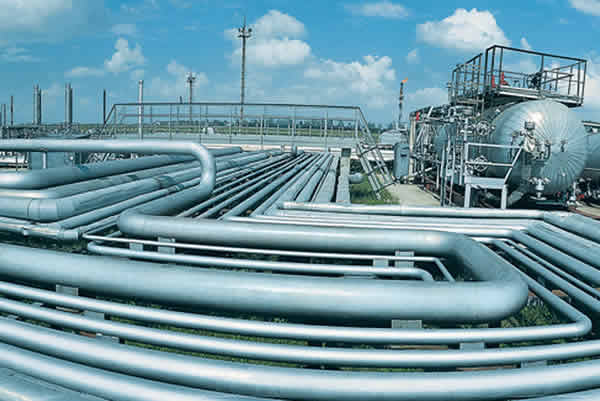
An April ceasefire ended the initial phase of intense fighting, which lasted nearly 40 days and involved strikes on key Iranian infrastructure, including natural gas refineries, according to Tehran.
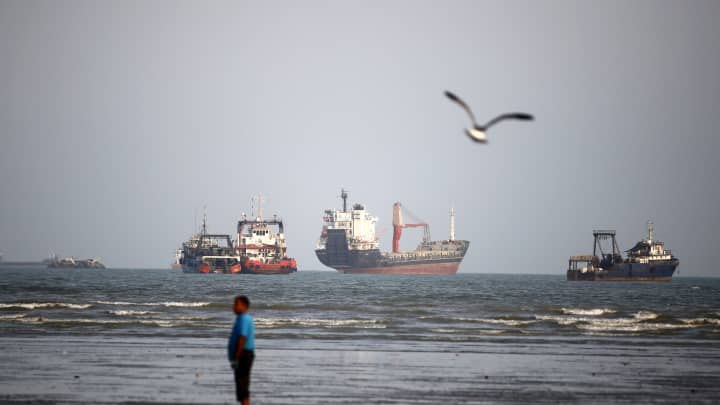
However, tensions between the two sides have persisted over control of the Strait of Hormuz, a strategic waterway through which about one-fifth of the world’s oil and liquefied natural gas previously passed.
Iran has claimed control of the strait since the conflict began and has repeatedly targeted vessels attempting to cross without its authorisation.
Washington, in response, imposed a counter-blockade on Iranian ports and announced an “economic asphyxiation” campaign in August aimed at putting further pressure on the country’s economy.