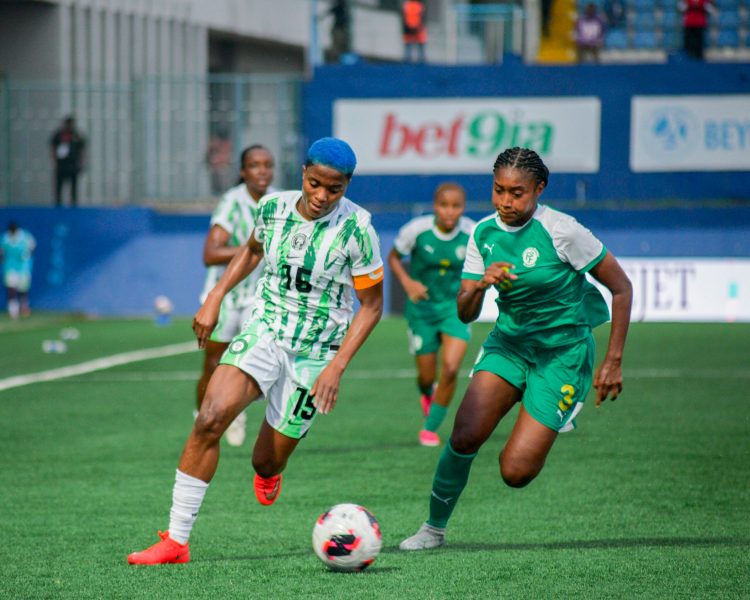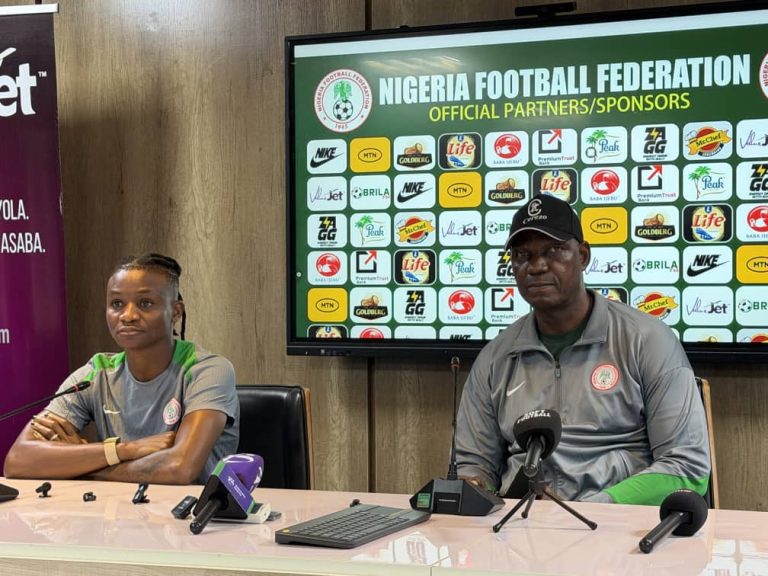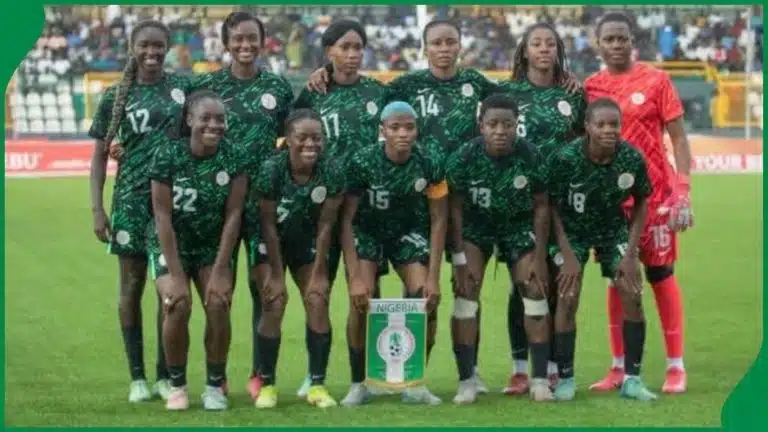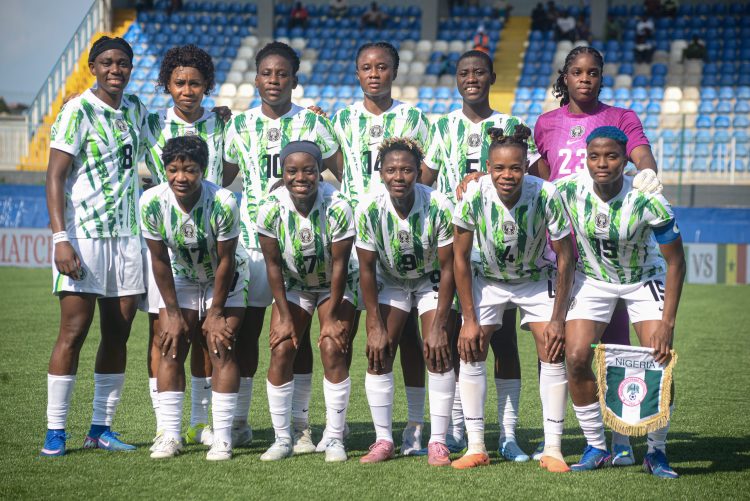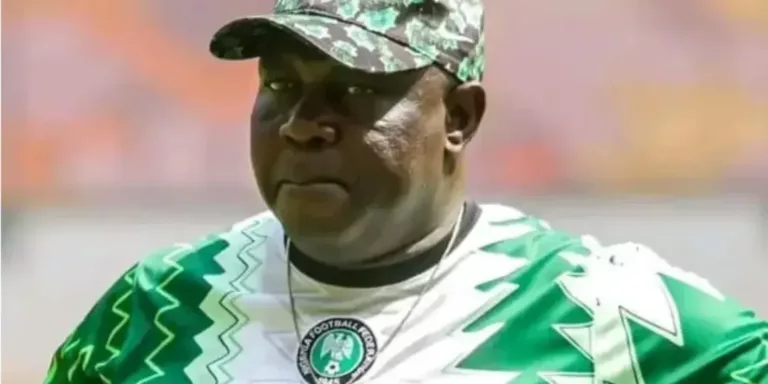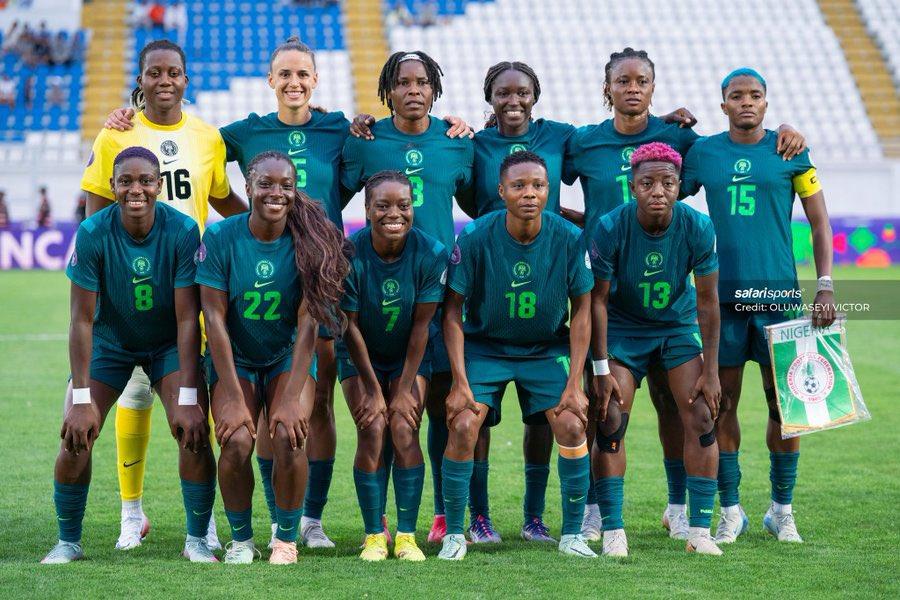
Super Falcons head coach, Justin Madugu, has defended his tactical decisions after Nigeria suffered a stunning 3-2 defeat to Women’s Africa Cup of Nations newcomers Malawi, insisting criticism over his team selection and player deployment was expected following the disappointing result.
The defeat, regarded as one of Nigeria’s biggest upsets in WAFCON history, has intensified scrutiny on the defending champions ahead of their crucial Group C clash against Zambia, with many questioning the team’s tactical setup.
Addressing journalists after the match, Madugu accepted responsibility for the loss but dismissed claims that playing some footballers outside their natural positions was responsible for Nigeria’s downfall.
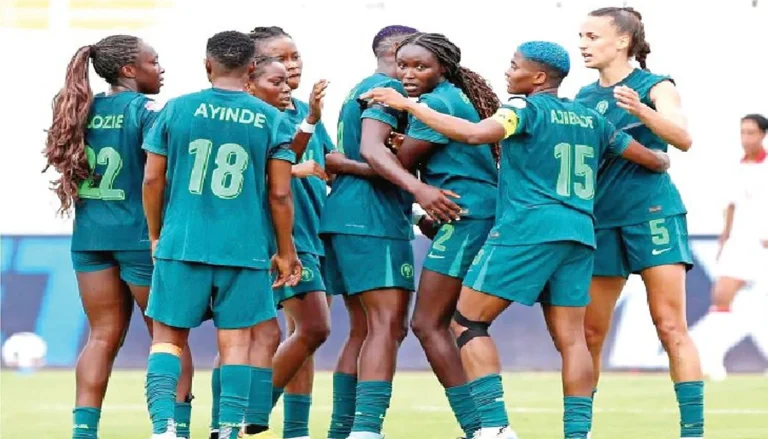
One of the key decisions that attracted criticism was Michelle Alozie’s deployment at left-back, while other members of the squad also featured in unfamiliar roles.
However, the coach argued that those tactical adjustments were not the reason the Super Falcons conceded three goals.
“When things like this happen, everybody has their opinion. Everybody is entitled to say whatever they say,” Madugu told reporters.
“If we had won, the comments people would be making would not be the same.”
Madugu pointed to previous tournaments where similar positional changes had delivered positive results, using Ashley Plumptre’s performances as an example.
“When we played the last edition and Ashley played at left full-back, she wasn’t a left full-back, but she did very well and everybody appreciated her performances,” he said.
The coach revealed that injuries and other defensive concerns influenced his selection, while praising Alozie for adapting well to the unfamiliar position.
“We had some challenges in defence, and I think Michelle deserves to be commended because she gave everything and played very well.”
He also rejected suggestions that Alozie’s role at left-back contributed to Nigeria’s defensive errors.
“The mistake didn’t come from her position. It’s not her involvement in that area that caused the goals we conceded. She’s a good defender, and if we didn’t believe she could play there, we wouldn’t have selected her.”
While defending his tactical choices, Madugu admitted the coaching staff must take responsibility for the defeat and pledged to address the team’s shortcomings before the next fixture.
“There will always be criticism when things go wrong. We accept those comments, and we accept responsibility for what happened. We’ll go back, analyse our mistakes and work to correct them.”
He further stressed that versatility remains one of the strengths of the squad, noting that several players are capable of performing effectively in multiple positions whenever circumstances demand.
With attention now turning to the decisive encounter against Zambia, Madugu expressed confidence that the Super Falcons would bounce back from the setback.
“We need to move on from what happened, learn from it and get it right next time.”
The coach described the loss as a valuable lesson, saying it should remind the defending champions that no opponent can be underestimated in the competition.
“It’s a wake-up call for all of us. We know the importance of this tournament, and we’re not taking anything for granted.”
Madugu also dismissed any suggestion that Nigeria overlooked Malawi before the game, insisting his players and technical crew were fully aware of the Scorchers’ quality.
“We never took them for granted. We’ve been following their progress and knew they were a good side.”
According to the Super Falcons coach, Malawi’s victory reflects the rapid progress of women’s football across Africa, making every team at the tournament a genuine threat.
“It’s a testament to the development of the game across the continent. You cannot take any team for granted.”
He added that several unexpected results at the tournament underline how competitive the Women’s Africa Cup of Nations has become.
Madugu also commended Malawi for their preparation, attributing part of their improvement to consistent participation in regional competitions.
“They prepared very well, and playing regularly within the COSAFA region has helped improve teams from that part of Africa,” he said.
“Any team that qualifies for the WAFCON deserves respect. Malawi played well, earned the result and deserved the victory.”
Nigeria will now shift focus to their must-win Group C fixture against Zambia, where the Super Falcons will aim to revive their title defence and strengthen their chances of progressing in the tournament.