The Federal Government has reassured local and foreign investors that Nigeria’s economy remains stable and resilient despite the recent joint security operation carried out by Nigerian and United States forces in Sokoto State.
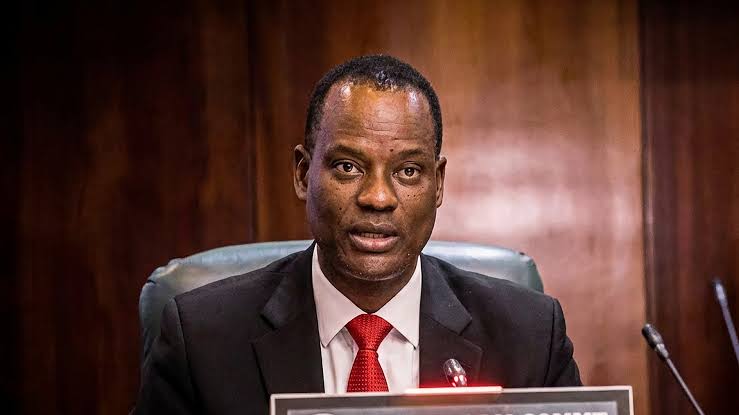
In a statement released on Monday, the Minister of Finance and Coordinating Minister of the Economy, Wale Edun, said the operation, conducted on Christmas Day, was a carefully planned, intelligence-driven action targeting terrorist elements and should not be interpreted as a sign of internal conflict or economic instability.
According to the minister, the December 25 operation targeted camps linked to the Islamic State in Sokoto State, leading to the neutralisation of several terrorists, with no reported civilian casualties.
Edun stressed that Nigeria remains peaceful and focused on safeguarding lives and economic activities through strategic partnerships.
“Nigeria is not at war with itself, nor with any nation,” he said.
“What Nigeria is decisively confronting, alongside trusted international partners, is terrorism. This distinction is critical for understanding the positive economic implications of recent actions.”
He explained that the security intervention was precise and aimed solely at elements threatening national stability, adding that such actions ultimately strengthen investor confidence rather than weaken it.
“Far from unsettling markets, these actions reinforce peace, protect productive communities, and create the conditions required for sustainable growth,” Edun noted.
“Security and economic stability are inseparable; every effort to safeguard Nigerians is, by definition, pro-growth and pro-investment.”
The minister also highlighted key macroeconomic indicators to underline the country’s economic progress under President Bola Ahmed Tinubu’s administration.
He said Nigeria recorded a GDP growth rate of 3.98 per cent in the third quarter of 2025, following 4.23 per cent growth in the second quarter, with expectations of stronger performance in the fourth quarter.
Edun further disclosed that inflation has continued to decline, decelerating for the seventh consecutive period and falling below 15 per cent, a development he attributed to coordinated fiscal and monetary reforms.
On the financial markets, he said both domestic and international debt markets remain stable and efficient, supported by prudent fiscal management.
“Over the past year, Nigeria has received credit rating upgrades from Moody’s, Fitch, and Standard & Poor’s,” he said. “These are independent endorsements of the strength of our reforms and the credibility of our economic direction.”
Looking ahead, the minister said the administration’s economic priority for 2026 is to consolidate the gains recorded in 2025, strengthen resilience, and build a sustainable and inclusive growth-oriented economy.
As markets reopened on Monday, December 29, 2025, Edun assured investors that Nigeria remains open for business.
“Nigeria is focused, reform-driven, and firmly committed to stability,” he said, adding that the country remains confident about its economic future.