The Federal Government says Nigeria’s economy is gradually achieving stability and recording growth following the economic reforms introduced by President Bola Tinubu’s administration.
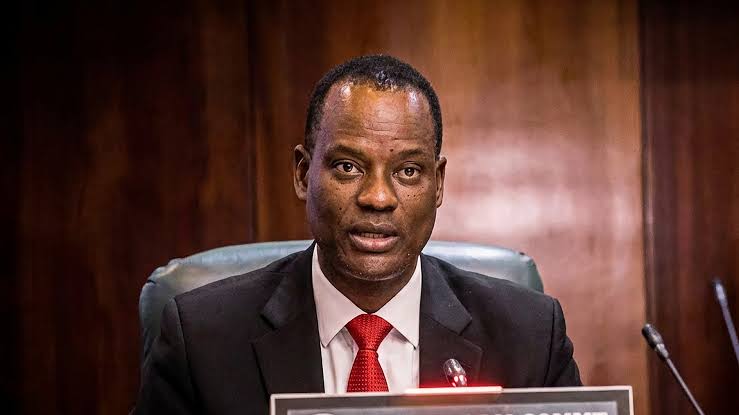
The Minister of State for Foreign Affairs, Ambassador Sola Enikanolaiye, stated this on Saturday while speaking with journalists at a sensitisation workshop on the ECOWAS Trade Liberalisation Scheme held in Bauchi.
The workshop, organised by the ECOWAS National Unit of the Ministry of Foreign Affairs in collaboration with the Bauchi State Government, focused on expanding intra-regional trade through the scheme.
Enikanolaiye said the initiative was designed to bring Nigeria’s foreign policy closer to citizens while creating more opportunities for businesses and entrepreneurs across the West African region.
He explained that the programme was consistent with the Federal Government’s 4D foreign policy framework, which places Nigerians at the centre of the country’s foreign relations.
According to him, the government wants businesses, particularly small and medium-sized enterprises, manufacturers and agricultural producers, to take greater advantage of opportunities within ECOWAS and the wider African market.
He said, “Our objective is to bring foreign policy closer to Nigerians at the grassroots and ensure that it contributes directly to their prosperity and economic opportunities.”
The minister said many businesses were still unfamiliar with the ECOWAS Trade Liberalisation Scheme and its benefits.
He explained that the zonal sensitisation workshops would educate companies on the scheme’s requirements, registration process and opportunities available to businesses producing qualifying goods.
Enikanolaiye said the programme would be taken to all six geopolitical zones before culminating in Abuja.
He added that the government was also prioritising industrialisation and value addition to strengthen the productive capacity of the Nigerian economy.
“We need to increase what Nigeria produces, create more jobs and generate opportunities for our growing population, particularly young Nigerians,” he said.
Reforms producing results
Speaking on the state of the economy, Enikanolaiye maintained that the reforms implemented by the Tinubu administration had produced a measure of economic stability and growth.
He acknowledged that inflation remained a concern but said the rate was showing signs of moderation, while other economic indicators were improving.
“Inflation is still high, and we recognise that, but it is coming down. We have also achieved a reasonable level of economic stability,” the minister said.
He argued that sustained economic growth was essential to achieving broader development and improved living standards.
According to him, Nigeria must consolidate the gains from the reforms and ensure that economic growth translates into shared prosperity for citizens.
Bauchi backs regional trade
In his remarks, Bauchi State Governor, Bala Mohammed, said his administration was committed to supporting local investment and creating an environment where businesses could expand.
The governor, represented by his deputy, Auwal Jatau, said the ECOWAS Trade Liberalisation Scheme could help businesses access larger markets, increase production and deepen economic cooperation among member states.
He described the North-East as a region with significant agricultural, livestock, mineral and industrial resources that could be developed for regional trade.
Mohammed said, “The ETLS should become a bridge between local businesses and regional markets, allowing farmers, manufacturers, traders and entrepreneurs in the North-East to benefit from opportunities across West Africa.”
He urged participants to use the workshop to understand the registration procedures, regulatory requirements and standards needed to compete effectively within the regional market.
The governor also called for measures to address obstacles affecting cross-border trade, including border delays, multiple checkpoints, poor transportation infrastructure, non-tariff barriers and inadequate access to reliable trade information.
He noted that such challenges often place a heavier burden on small businesses that have limited resources to navigate complicated trade procedures.
Mohammed said the state government expected the workshop to produce practical solutions, improve compliance and strengthen cooperation among institutions responsible for facilitating regional trade.
He pledged Bauchi’s readiness to work with the Federal Ministry of Foreign Affairs, ECOWAS, regulatory bodies, neighbouring states, development partners and private-sector organisations to remove barriers limiting businesses from benefiting fully from regional trade agreements.
The governor urged stakeholders to move beyond discussions and translate the opportunities provided by regional integration into increased production, employment and economic growth.
“Let us ensure that our farmers, manufacturers, women entrepreneurs, young people, processors and traders are not left on the sidelines of regional integration,” he said.