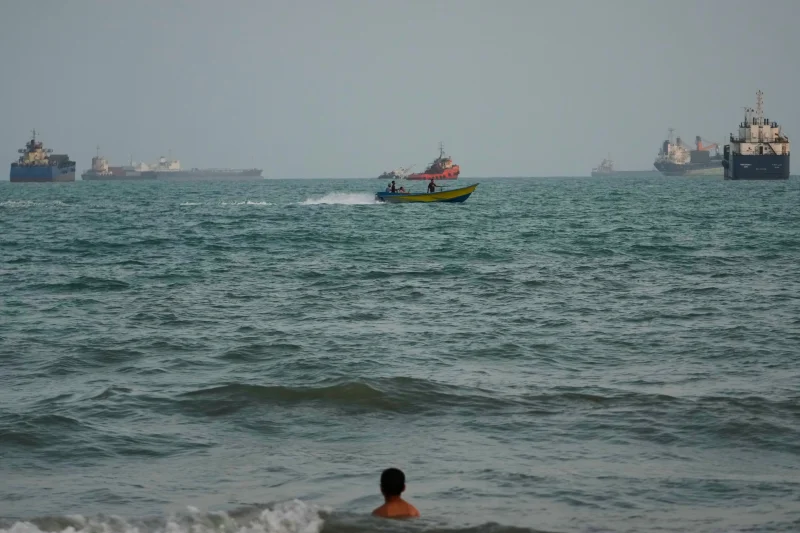
Fresh tensions have emerged in the Middle East after intelligence reports suggested that Iran has started placing naval mines in the strategically vital Strait of Hormuz, a key maritime corridor responsible for transporting roughly one-fifth of the world’s crude oil supply.
Two sources familiar with United States intelligence assessments said the mining activity is still limited, with only a few dozen mines reportedly deployed over the past few days.
However, the sources warned that Iran still possesses the majority of its mine-laying capability. One of them noted that as much as 80% to 90% of the small boats and vessels capable of laying mines remain intact, meaning hundreds more mines could potentially be placed in the waterway if tensions escalate.
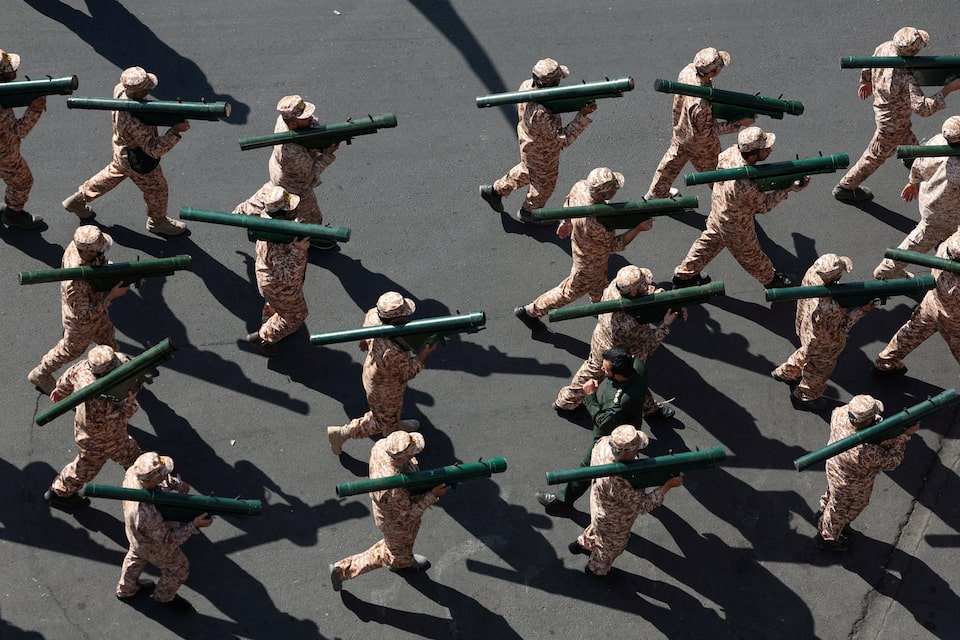
The mining effort is believed to involve the powerful Islamic Revolutionary Guard Corps which operates alongside Iran’s regular navy and effectively oversees the strait.
The force has the ability to deploy a network of mine-laying boats, explosive-filled vessels and coastal missile systems to create a dangerous barrier across the passage.
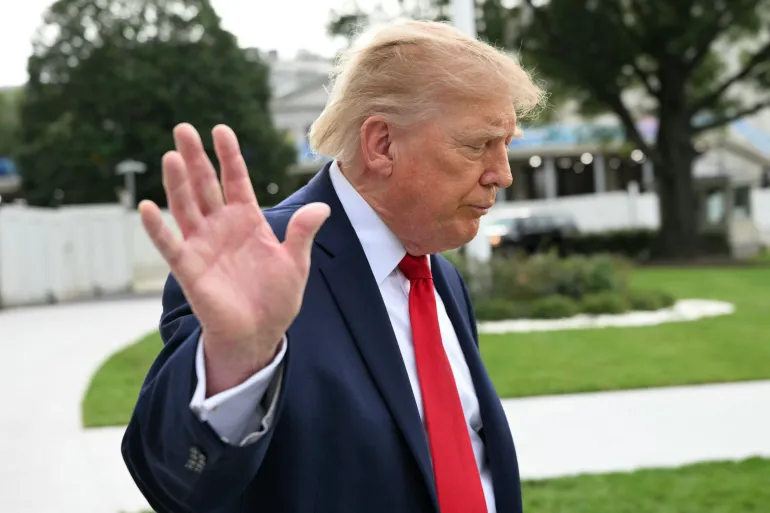
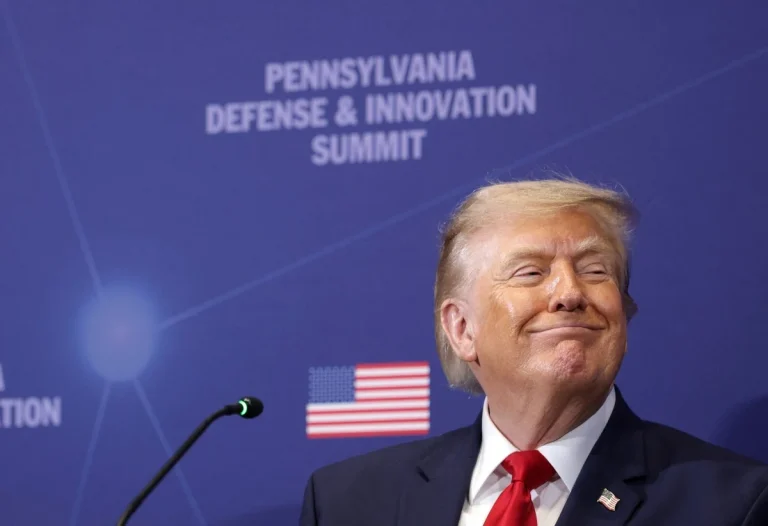
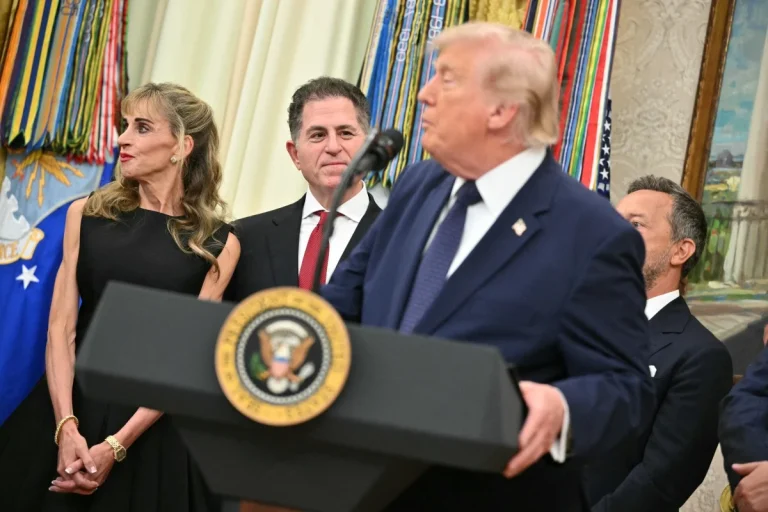
Reacting to the development, Donald Trump issued a warning in a post on the social media platform Truth Social on Tuesday.
“If Iran has put out any mines in the Hormuz Strait, and we have no reports of them doing so, we want them removed, IMMEDIATELY!” Trump wrote.
He further cautioned that failure to remove the mines would bring severe consequences. According to him, if mines have indeed been deployed and are not withdrawn, Iran would face retaliation “at a level never before seen.” Trump added that removing “what may have been placed” would represent “a giant step in the right direction!”
Shortly after the president’s message, US Defense Secretary Pete Hegseth said the US military had already begun taking action.
Posting on X, Hegseth said that under Trump’s directive, United States Central Command had started targeting Iranian vessels believed to be involved in mine deployment.
“At Trump’s direction, US Central Command has been eliminating inactive mine-laying vessels in the Strait of Hormuz—wiping them out with ruthless precision. We will not allow terrorists to hold the Strait of Hormuz hostage,” he wrote.
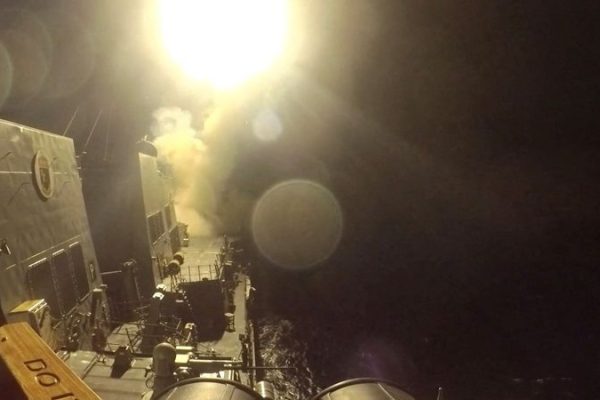
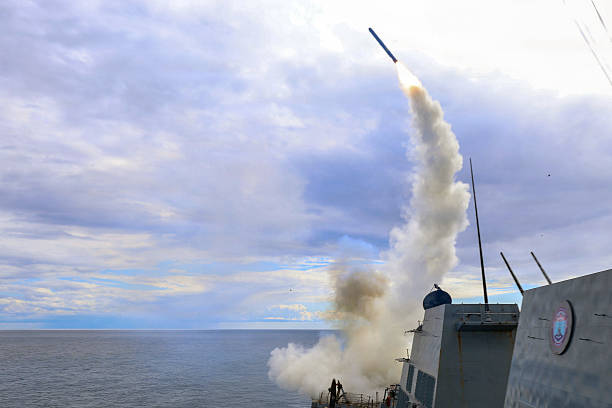
US Central Command later confirmed via social media that American forces had destroyed several Iranian naval ships near the strait, including 16 vessels suspected to be minelayers.
Earlier, the IRGC had warned that ships attempting to pass through the strait could be attacked, effectively bringing traffic through the critical waterway to a halt since the start of the conflict. Some officials have reportedly described the passage as a “death valley” because of the extreme risks involved in navigating it.
Despite the rising tension, US officials said Tuesday that the US Navy had not yet begun escorting commercial ships through the strait, although Trump indicated during a Monday press briefing that such an option was being considered.
“The Strait of Hormuz is going to remain safe. We have a lot of Navy ships there. We have the best equipment in the world inspecting for mines,” Trump said.
The uncertainty surrounding the waterway is already affecting global energy supply. According to reports, nearly 15 million barrels per day of crude oil production, along with about 4.5 million barrels per day of refined petroleum products, are effectively stranded in the Gulf because they cannot be shipped through the strait.
Major producers such as Iraq and Kuwait rely heavily on the route and have no viable alternatives for transporting their oil exports.
Meanwhile, the Group of Seven (G7) has hinted it could release additional oil reserves to help stabilize global supply.
The growing uncertainty has also triggered sharp fluctuations in the oil market. On Tuesday, crude prices swung dramatically, moving between highs above $90 per barrel and lows below $80 as traders reacted to the evolving situation.