The United States and Iran have exchanged attacks for the first time in more than a month, raising fresh concerns that the prolonged conflict could intensify after weeks of relative calm.
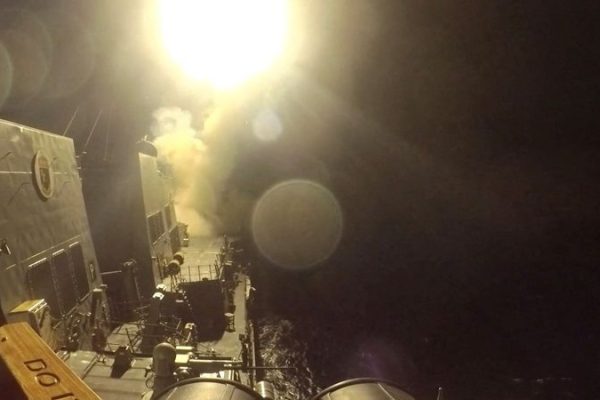
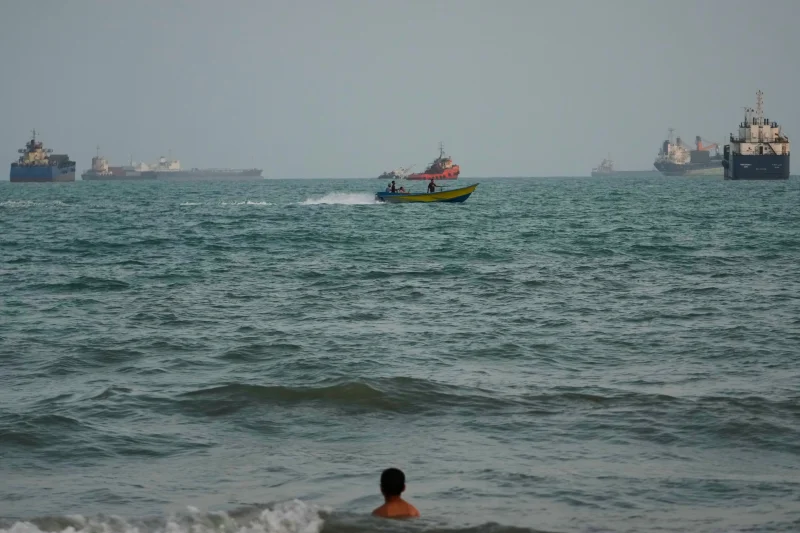
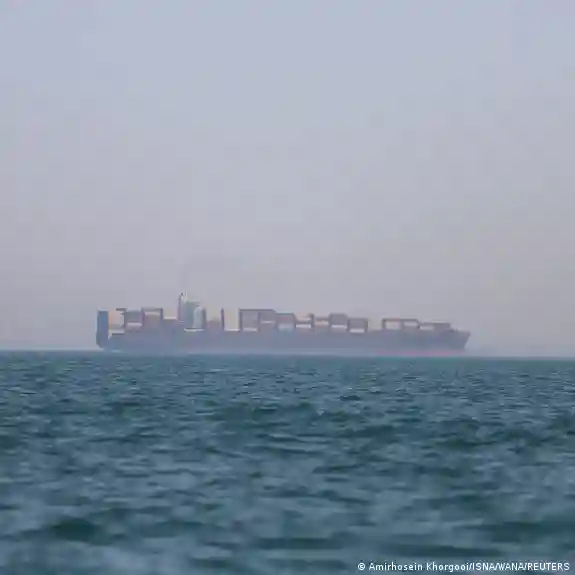
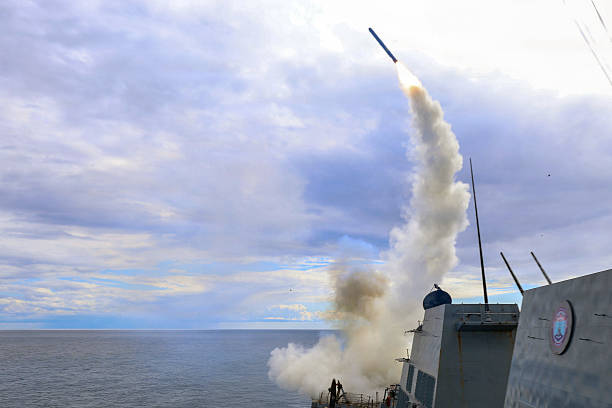
The latest confrontation began after the US military struck two Iranian rocket launchers on Larak Island, off the southern Iranian coast near Bandar Abbas. The US said Iranian forces were preparing to launch rockets carrying sea mines into the Strait of Hormuz, a vital global shipping route.
Capt. Tim Hawkins, a spokesperson for US Central Command, said the US carried out the strike after observing the Iranian forces preparing to deploy the mines.
CENTCOM later described the operation as “limited, precise action” against Iran’s “minelaying forces posing an imminent threat” in the strategic waterway.
“Iran created the threat and the US military eliminated it to protect civilian mariners, commercial shipping, and the free flow of global commerce.”
Iran condemned the attack and promised to retaliate.
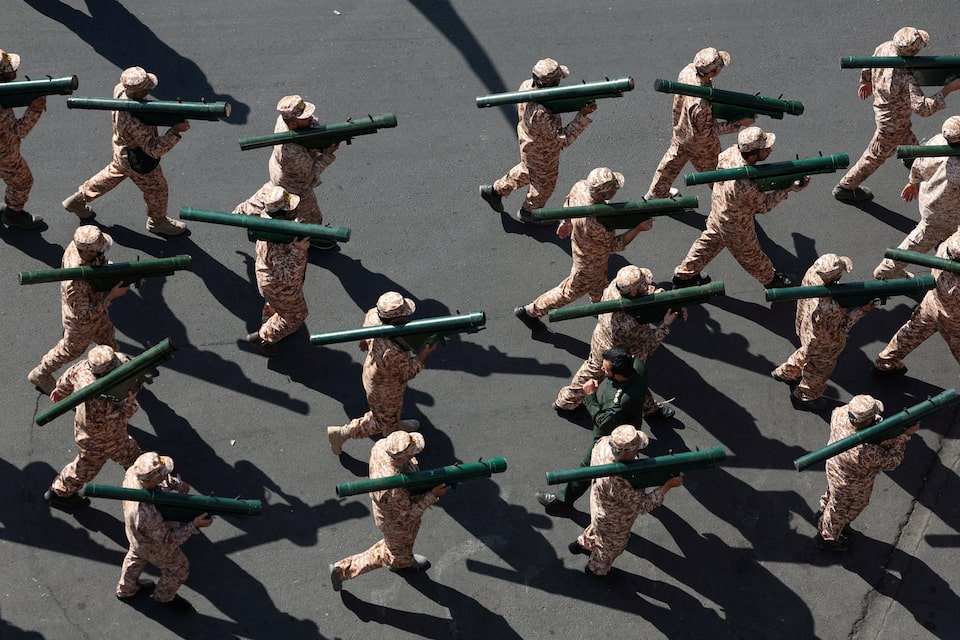
The Islamic Revolutionary Guard Corps described the US operation as “a strategic and deadly mistake” by the Trump administration, according to Iran’s state broadcaster IRIB.
The IRGC subsequently said it launched missile and drone attacks against two US military bases in Jordan.
Jordan’s armed forces said its air defence systems intercepted and destroyed eight missiles that entered the country’s airspace.
According to the state-run Petra news agency, the missiles were neutralised before they could endanger civilians or cause damage to property.
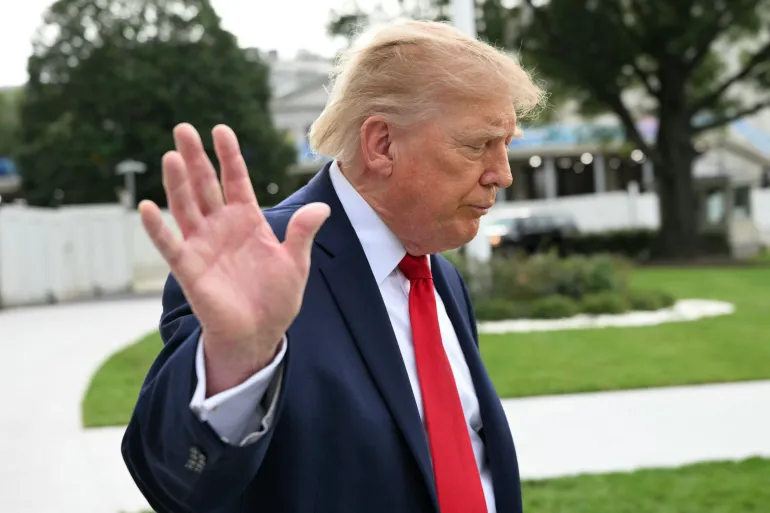
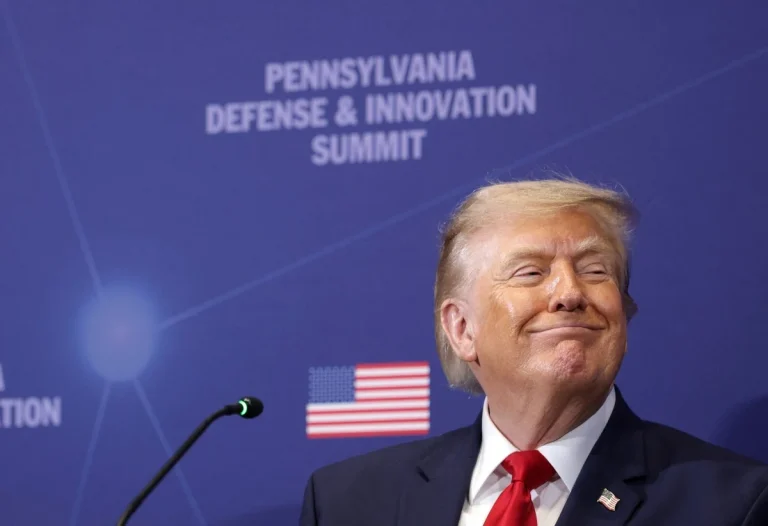
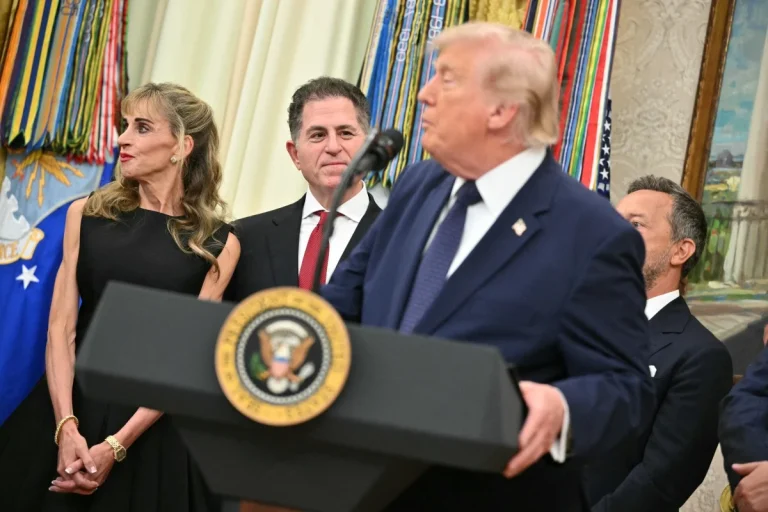
The latest strikes come days after President Donald Trump said the Strait of Hormuz had been cleared of mines.
“US forces are monitoring the area closely and remain prepared to protect the free flow of commerce through this essential waterway,” a US official said.
Trump had also warned Iran that any attempt to place new mines in the waterway would face an immediate military response.
“Iran has been notified that any ship or boat placing new mines will be immediately and systematically destroyed,” Trump said last Tuesday.
The United States has said it completed clearing sea mines from international shipping routes in the strait last week. Washington has increasingly relied on economic pressure against Tehran in recent weeks rather than direct military action.
US Treasury Secretary Scott Bessent said Sunday that Washington was likely to introduce additional secondary sanctions against Iran on a weekly basis, initially targeting banks.
“You’re going to see a lot more of these every week,” Bessent said ahead of a Group of 20 finance leaders meeting. “We’re starting with the banks, and we’re telling the banks it’s not okay to have Iranian money and to aid the regime.”
The renewed military exchange also had an immediate impact on oil markets.
Brent crude, the international benchmark, climbed 2.8% to $90.57 a barrel, while US crude gained 2.7% to $85.64.
The latest US strike was the first American attack on Iran since July 29, when Washington carried out what it described as a “heavy wave of strikes” following an attempted attack on US military positions.
Meanwhile, diplomatic efforts aimed at restoring maritime traffic through the Strait of Hormuz remain underway despite the military escalation.
Iran and Oman are continuing discussions over a possible arrangement, with Qatar and other regional mediators supporting the talks.
However, broader negotiations between Washington and Tehran have stalled, with the White House saying there are no ongoing talks.
The latest exchange marks a significant break from the relative military calm of recent weeks and could further complicate efforts to end the six-month conflict.