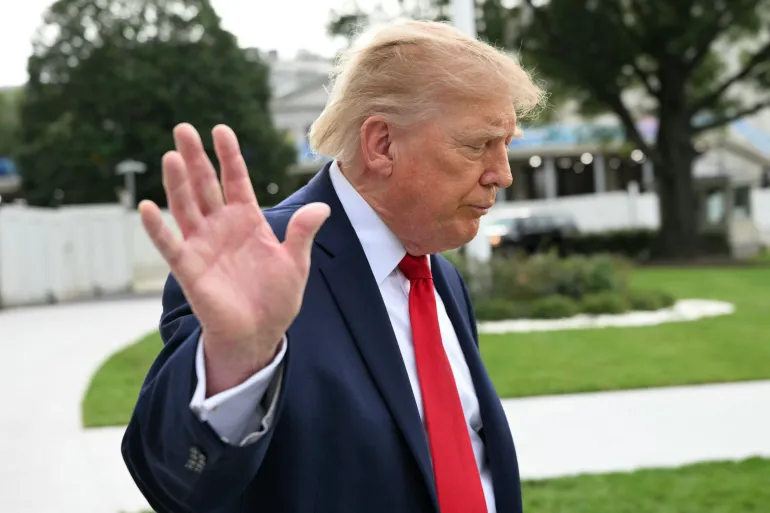
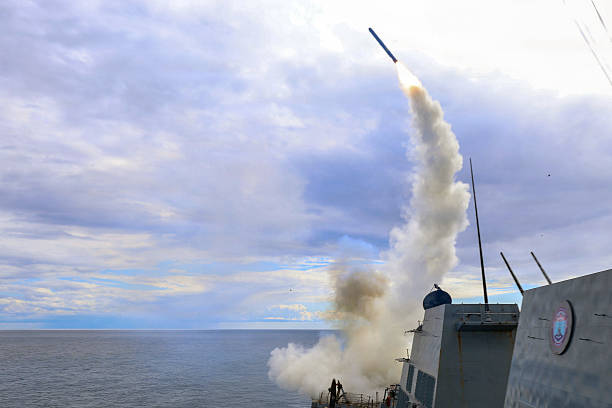
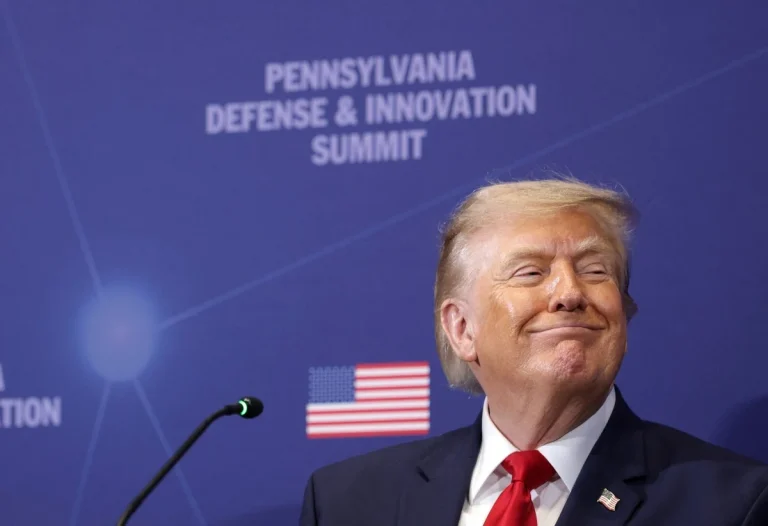
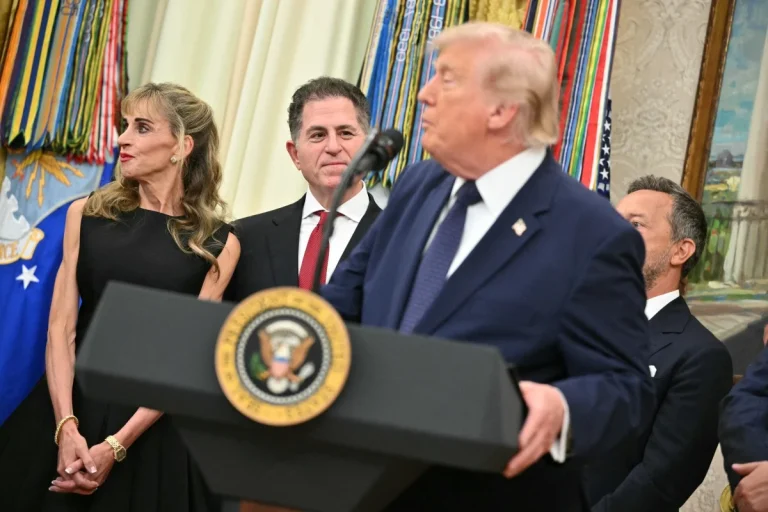
United States President, Donald Trump, stepped back late Tuesday from his threat to unleash major strikes on Iran, after Washington and Tehran agreed to a two-week ceasefire tied to the reopening of the Strait of Hormuz.
Trump shifted toward de-escalation less than two hours before the deadline he had given Tehran to accept a deal or face attacks on bridges, power plants and other infrastructure that he had warned could destroy Iranian “civilization”.
The agreement, brokered with the help of Pakistan, is expected to pave the way for fresh negotiations between the United States and Iran in Islamabad on Friday. Pakistan had urged both sides to observe a two-week truce to allow diplomacy to continue.
Iran’s Supreme National Security Council said it had accepted the ceasefire and would enter talks with the United States in Pakistan beginning Friday.
Neither Tehran nor Washington immediately clarified when the ceasefire would officially take effect, and attacks were still reported in Israel, Iran and parts of the Gulf region early Wednesday.
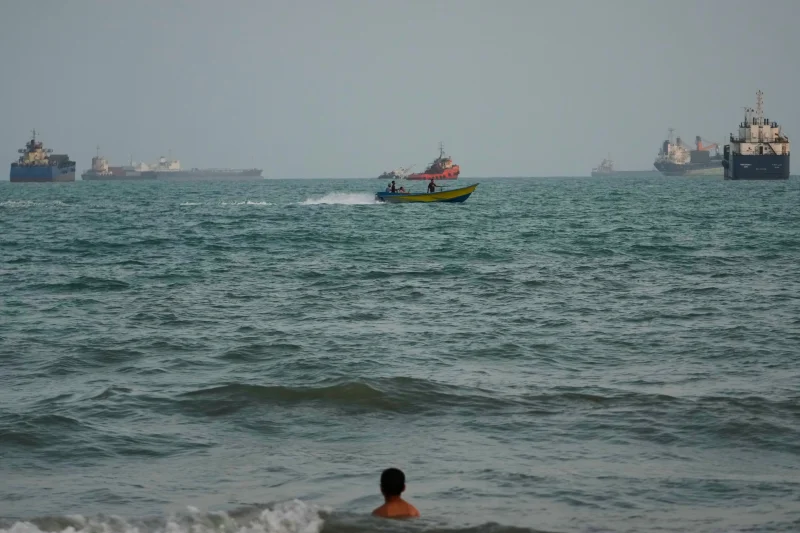
The truce came after Iran agreed to reopen the Strait of Hormuz, one of the world’s most important oil transit routes, through which about 20 percent of global oil exports pass.
The move is expected to ease tensions in global energy markets after weeks of disruption left dozens of tankers stranded in the Gulf.
Benjamin Netanyahu said early Wednesday that Israel supported the U.S.-backed ceasefire with Iran, but stressed that the arrangement did not extend to fighting against Hezbollah in Lebanon.
In a statement, Netanyahu’s office said Israel backed Trump’s decision to suspend strikes, on the condition that Iran immediately reopen the Strait of Hormuz and halt all attacks against the United States, Israel and other countries in the region.
The statement added that Israel also supports American efforts to ensure Iran no longer poses a nuclear or missile threat.
However, Pakistan’s government said the ceasefire framework also calls for Israel and Hezbollah to halt fighting in Lebanon, leaving uncertainty over whether the truce will fully cover the conflict on Israel’s northern border.