The United States President, Donald Trump, on Friday said Washington had agreed to resume negotiations with Iran, even as he maintained that the ceasefire between the two longtime rivals had effectively ended.
Although there have been no direct US-Iran discussions since last month, Iranian media reported that a Qatari delegation arrived in Tehran on Friday in a renewed mediation effort after both sides exchanged fresh attacks earlier this week.
The latest developments come just over three weeks after Washington and Tehran signed an agreement intended to transform a months-long ceasefire into a lasting peace.
However, renewed exchanges of fire on Thursday, for the second consecutive day, raised fears of another full-scale regional conflict.
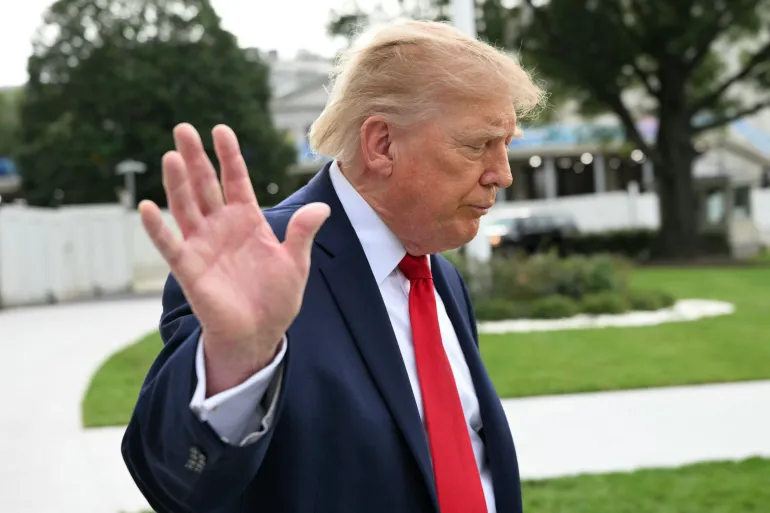
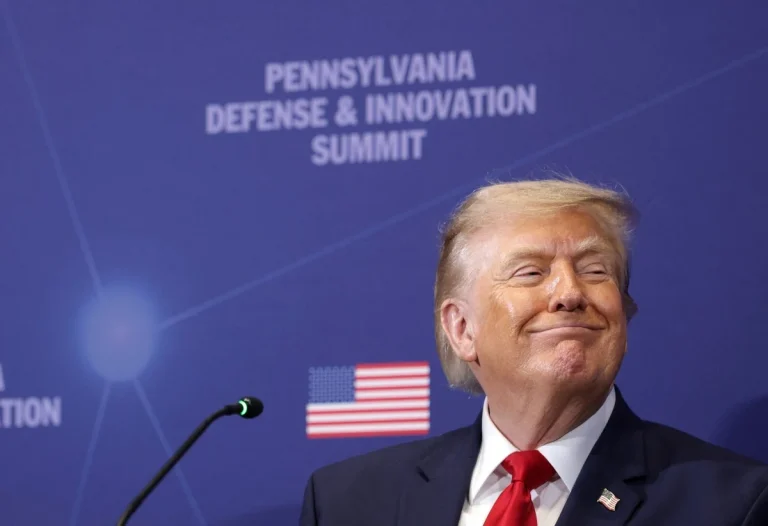
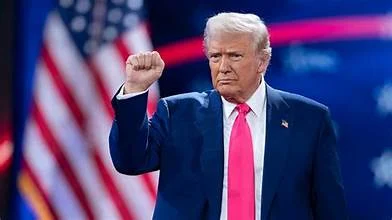
“The Islamic Republic of Iran has asked us to continue ‘talks.’ We have agreed to do so, but the United States has stated to them, in no uncertain terms, that the Cease Fire is OVER!” Trump wrote on his Truth Social platform on Friday.
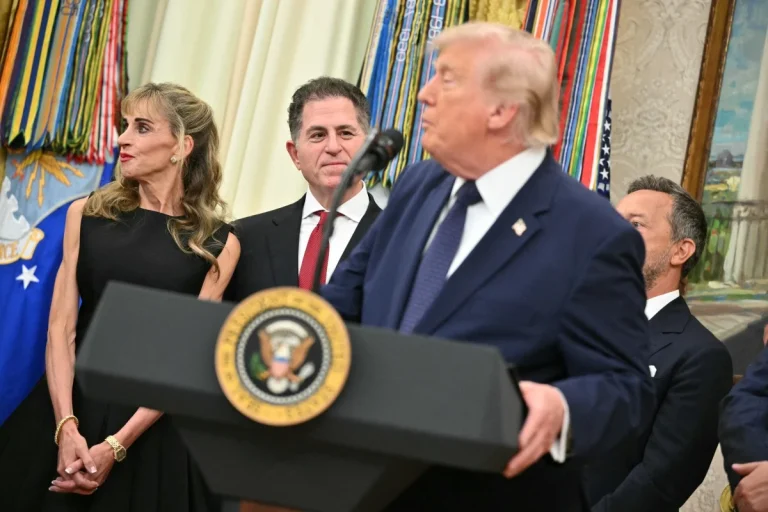
Speaking earlier this week during the NATO summit, Trump had similarly declared the ceasefire over, while dismissing further engagement with Tehran, saying: “It’s just a waste of time dealing with them.”
He also described Iranian officials as “scum” and “sick people”.
Since the signing of the memorandum of understanding in Switzerland, US and Iranian officials have held only one round of direct negotiations, alongside indirect talks in Qatar, with little evidence of meaningful diplomatic progress.
Despite Iran saying it had targeted US assets in Qatar and Doha accusing Tehran of attacking one of its tankers in the Strait of Hormuz, Qatar appeared committed to keeping diplomatic efforts alive.
Iran’s Tasnim News Agency reported that the Qatari delegation was in Tehran to “try to reinforce Qatar’s role as a mediator following events on Tuesday”, when Doha condemned what it described as an “unacceptable assault” on one of its liquefied natural gas tankers. Iran rejected the allegation.
Meanwhile, Egypt’s Foreign Minister, Badr Abdelatty, urged renewed dialogue during a telephone conversation with his Qatari counterpart on Friday, calling for a “return to the negotiating table”.
Tensions around the Strait of Hormuz
The conflict began on February 28 when the United States and Israel launched coordinated surprise attacks on Iran despite ongoing diplomatic engagement. The strikes reportedly killed several senior Iranian leaders, including Supreme Leader Ali Khamenei.
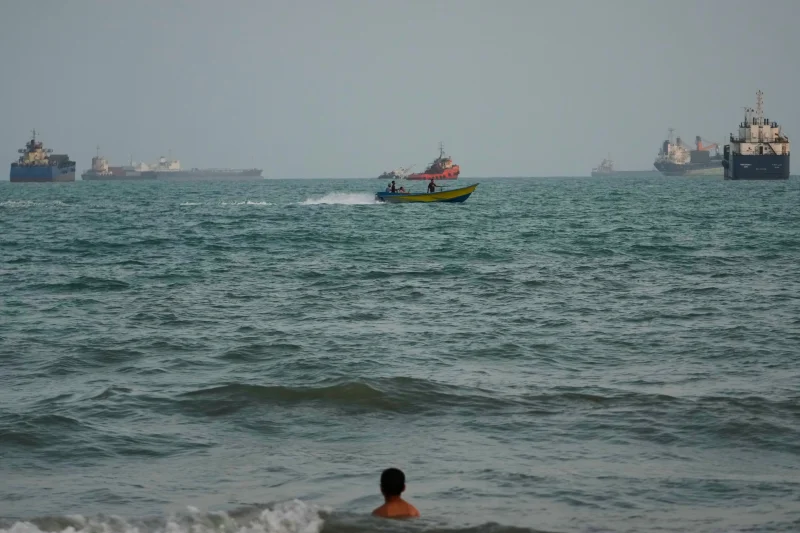
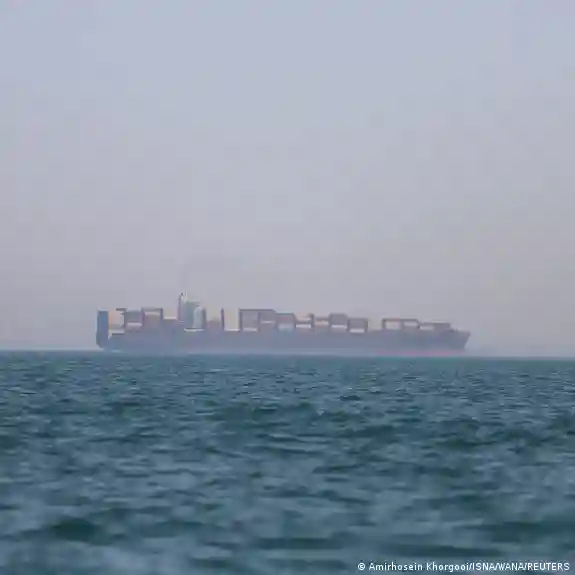
Iran responded by effectively shutting the Strait of Hormuz, through which roughly one-fifth of global oil and liquefied natural gas supplies pass, while also launching attacks against Israel and US interests across the Gulf.
The conflict later spread to Lebanon after Hezbollah fired rockets into Israel, prompting an Israeli military invasion.
Although a ceasefire reached on April 8 brought an end to the broader conflict, sporadic violence has continued, largely driven by disputes over the Strait of Hormuz.
Tehran insists it should exercise greater control over the strategic waterway and has expressed its intention to impose transit fees.
Before the war, it did not possess such authority. Under international law, although the strait lies within both Iranian and Omani territorial waters, neither country can generally block international navigation or impose tolls.
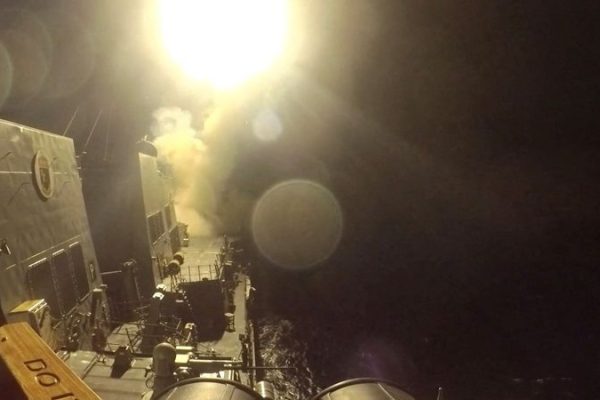
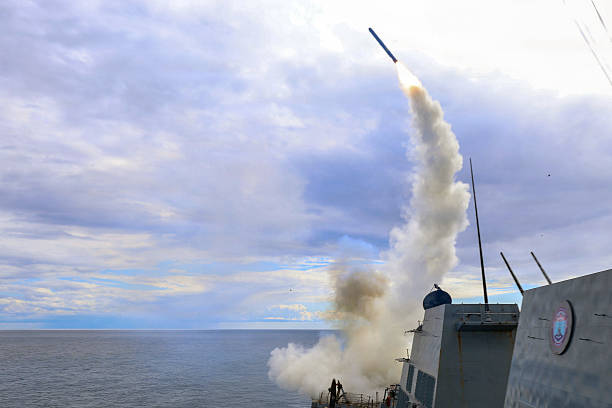
On Tuesday, the United States and Qatar accused Iran of targeting commercial tankers in the strait, prompting Washington to launch strikes against dozens of Iranian targets on Wednesday and Thursday.
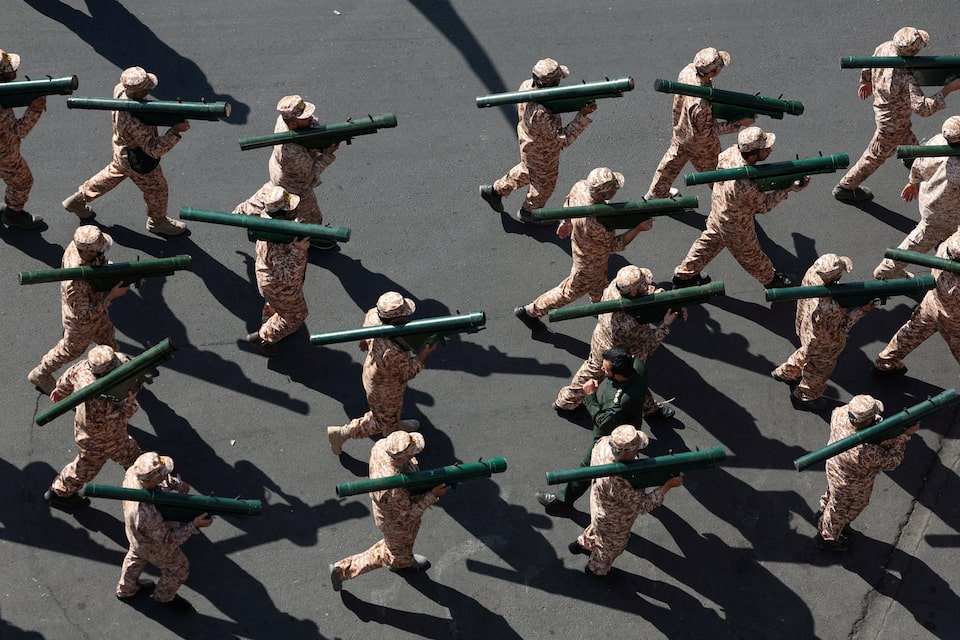
Iran responded by saying it had carried out attacks on US military bases across the Gulf, while Jordan reported intercepting missiles that entered its airspace.
Although no fresh strikes had been reported by Friday evening, Iran warned that it would continue to retaliate against any future attacks.
“Any attack on infrastructure will be retaliated against, and the criminal Zionist regime responsible for these atrocities will not be safe from the response of our fighters,” Mohammad Bagher Zolghadr, the head of Iran’s top security body, said in a statement carried by state TV.
Tehran also accused the United States on Thursday of striking civilian infrastructure, including railway bridges, describing the attacks as a “gross war crime”.