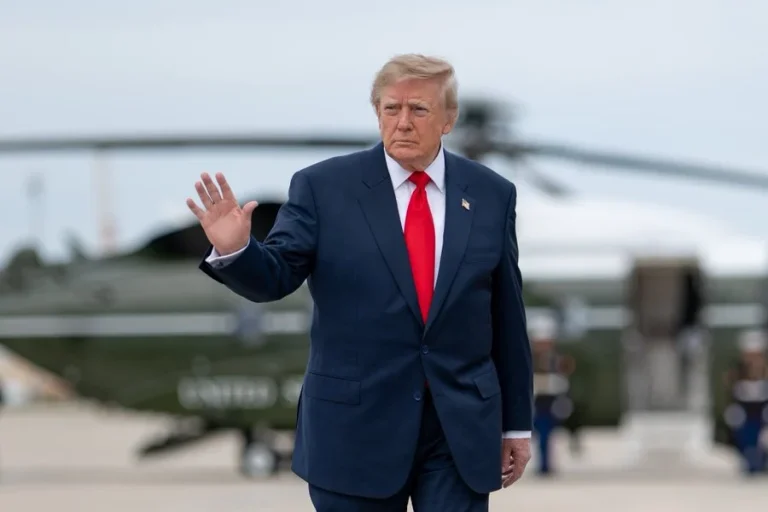
United States President, Donald Trump, on Sunday announced an immediate energy ceasefire between Russia and Ukraine, claiming both countries had agreed to stop attacks on energy infrastructure.
Trump disclosed the development in a post on his Truth Social platform.
However, neither the Ukrainian nor Russian government had immediately confirmed the agreement or indicated whether it had taken effect.
“Effective immediately, there is an ENERGY CEASEFIRE in the War between Russia and Ukraine.
“Both parties have agreed. Do not break it! Thank you for your attention to this matter.
“President DONALD J. TRUMP”, he wrote.
The announcement followed an earlier statement by Ukrainian President Volodymyr Zelensky, who said Kyiv was willing to suspend attacks on Russian oil refineries if Moscow stopped targeting Ukraine’s energy infrastructure.
However, Zelensky later told Axios that Trump’s announcement came as a surprise to him, while expressing Ukraine’s readiness to observe the proposed truce if Russia agreed to it.
“The ceasefire announcement was news for me. But if Russians agree to an energy ceasefire, Ukraine will agree. If President Trump negotiated it with Putin – please tell us when the ceasefire begins – we are ready, and we will accept it,” Zelensky told Axios, according to the news outlet.
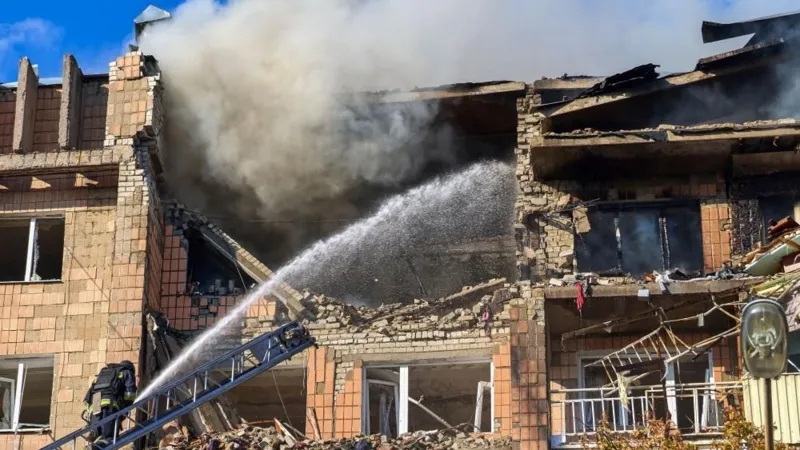
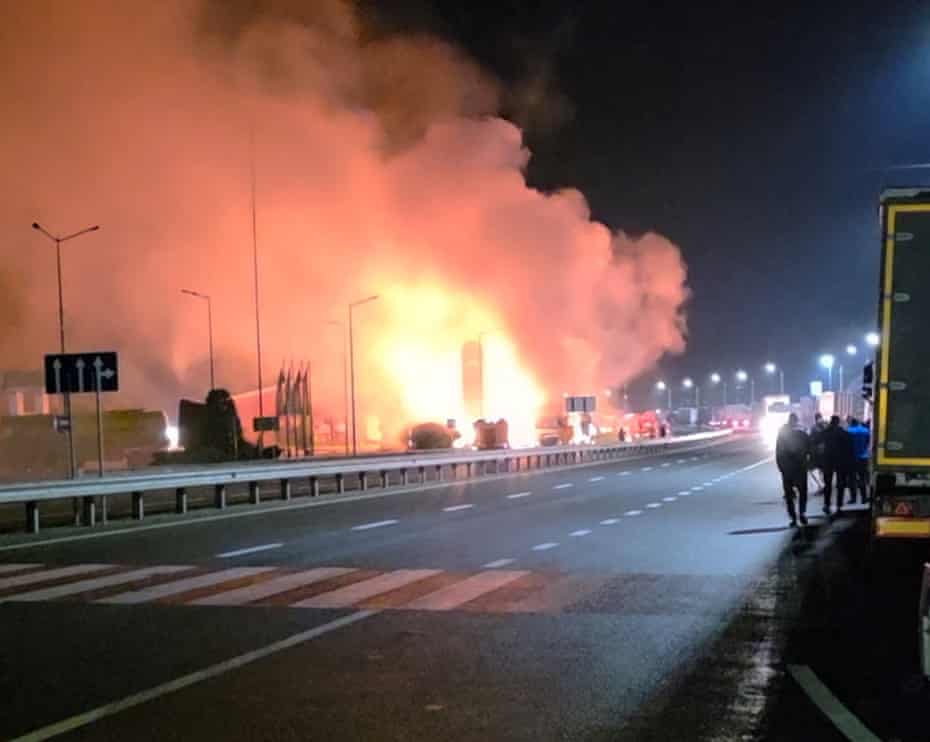
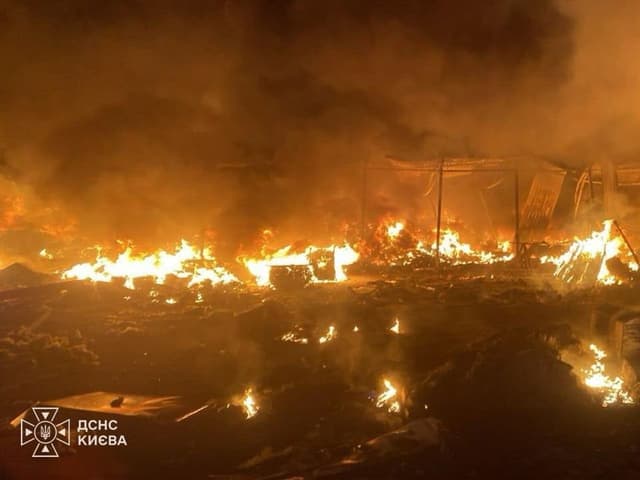
The proposed ceasefire comes amid intensified attacks on energy installations by both countries.
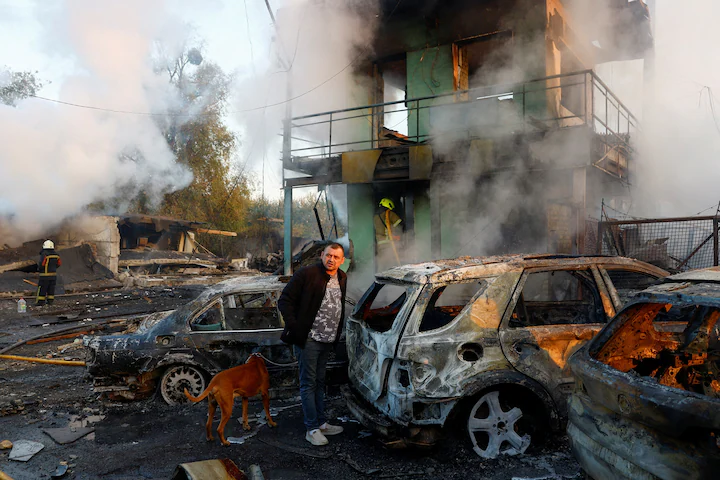
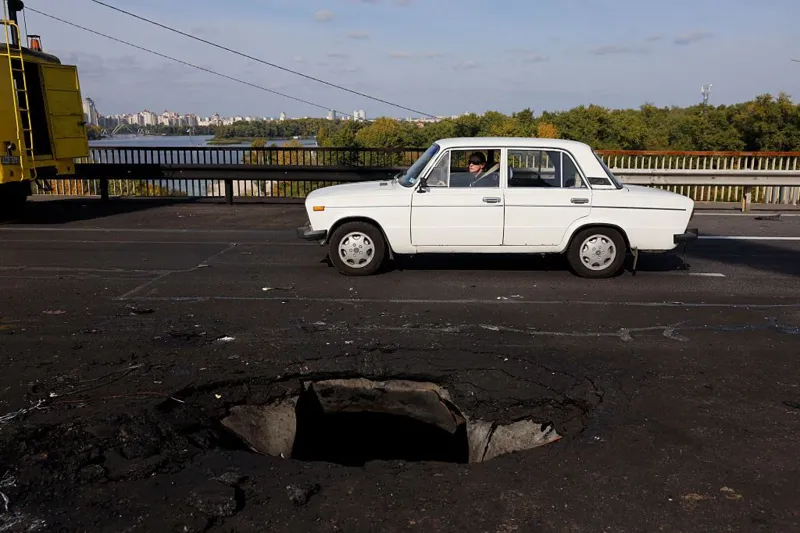
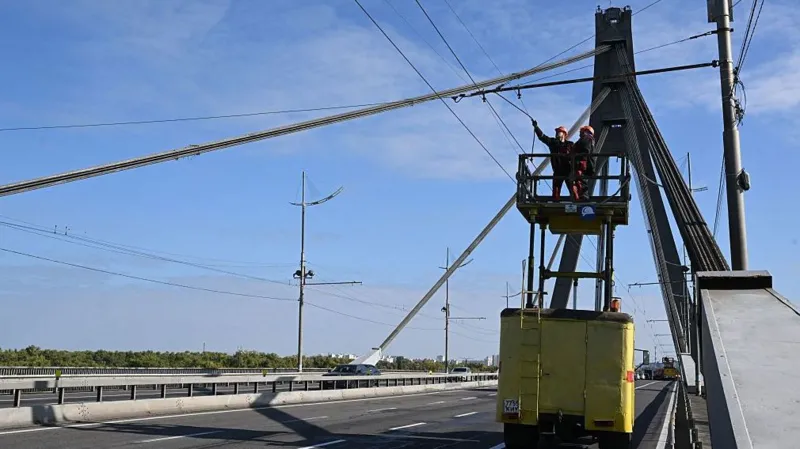
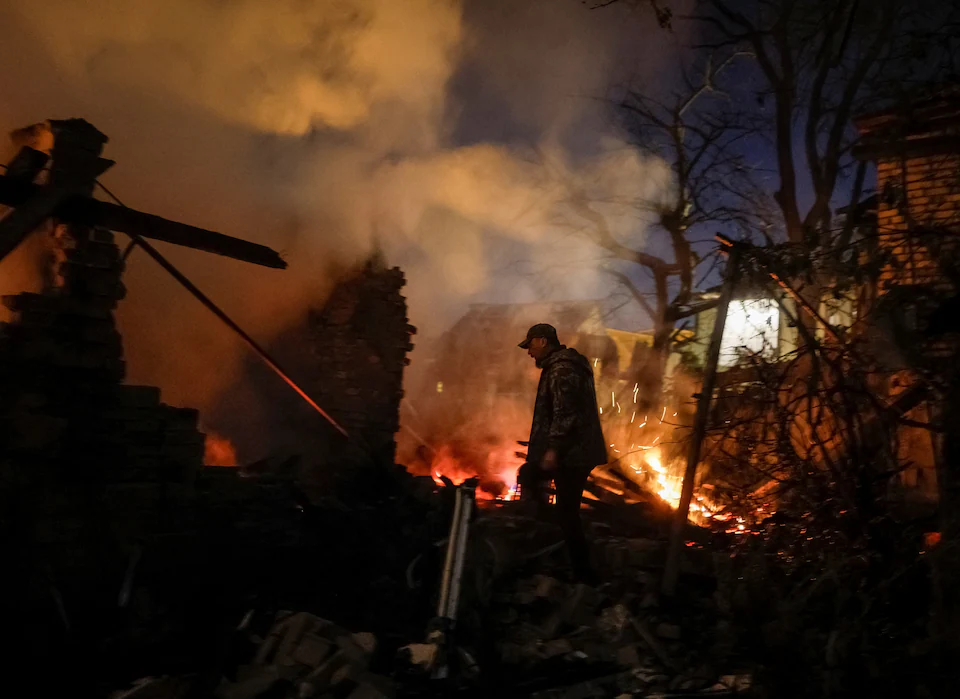
Ukraine has targeted Russian oil refineries and other energy facilities, while Russia has continued strikes on Ukraine’s electricity and energy infrastructure.
The development also comes against the backdrop of tensions between Trump and Zelensky over Washington’s approach to the war.
Trump had previously criticised Ukrainian attacks on Russian oil refineries and suggested that Ukraine should consider new leadership capable of negotiating a peace agreement with Moscow.
Trump’s announcement also followed a diesel supply agreement between Washington and Moscow, under which Russia agreed to supply diesel to the United States and international markets.
The arrangement has attracted criticism from Kyiv, with Zelensky warning that additional revenue from Russian energy exports could help fund Moscow’s military campaign.
Russia launched its full-scale invasion of Ukraine in February 2022, and energy infrastructure has since remained a major target in the conflict.
Attacks on such facilities have affected both countries’ ability to maintain essential services and support military operations.
The extent of the proposed energy ceasefire, including how it would be implemented and when it would begin, remains uncertain as both countries are yet to publicly confirm the agreement.