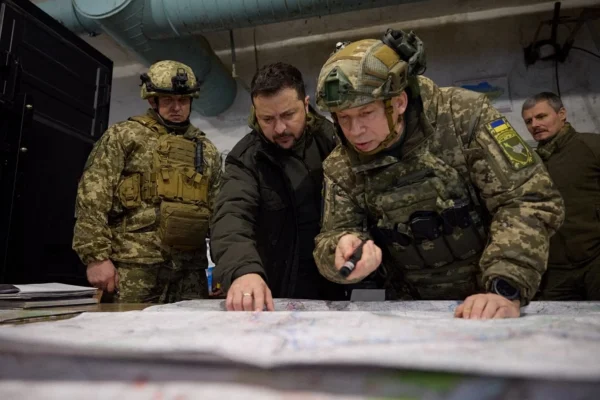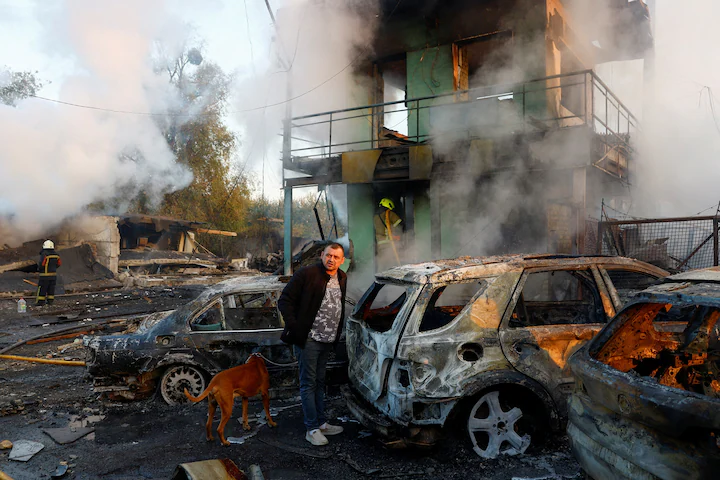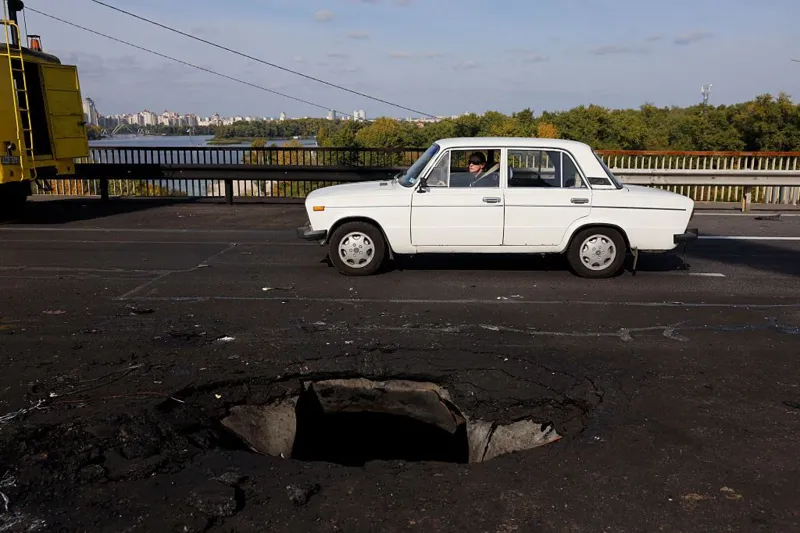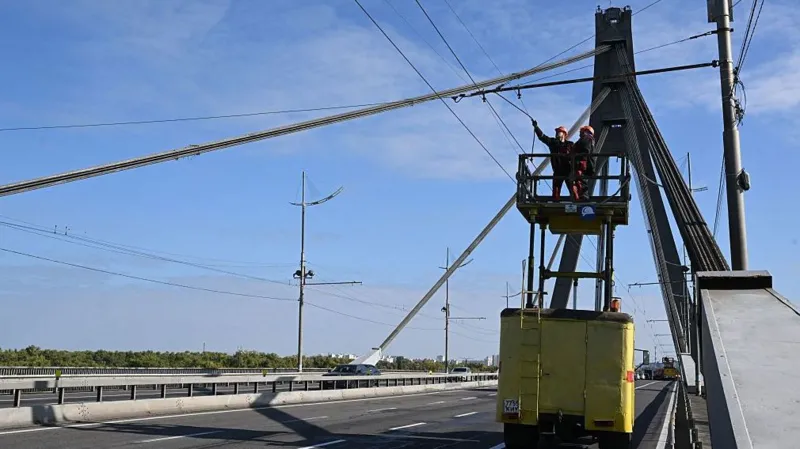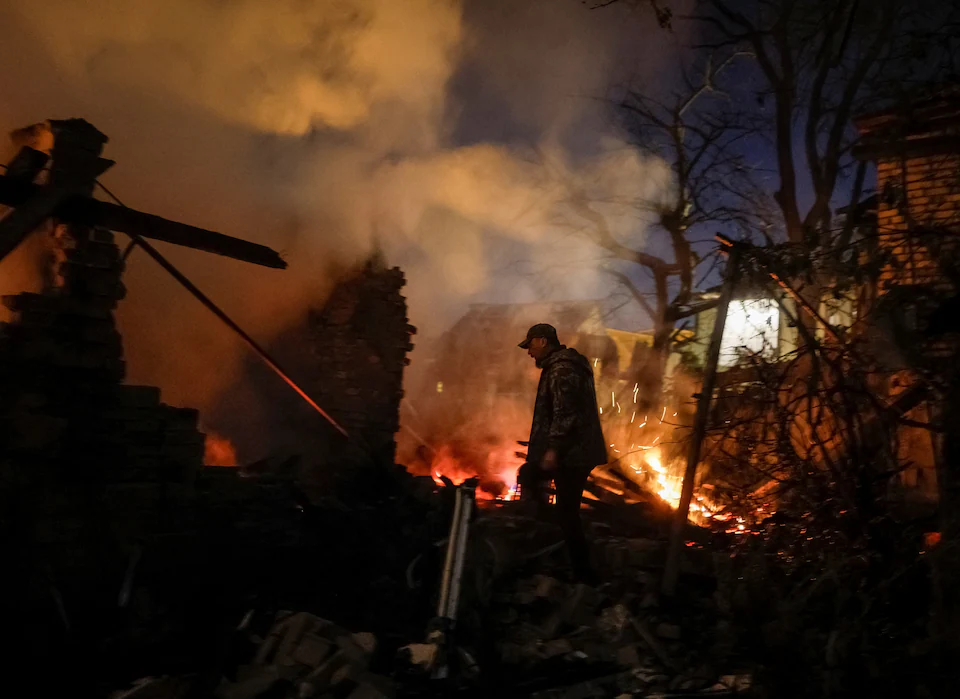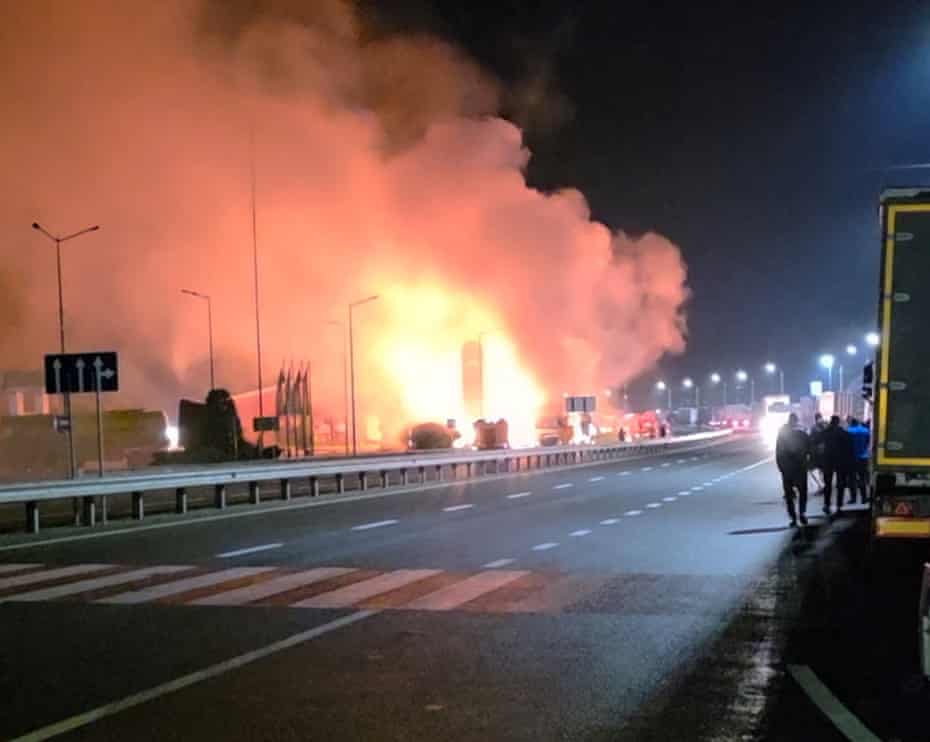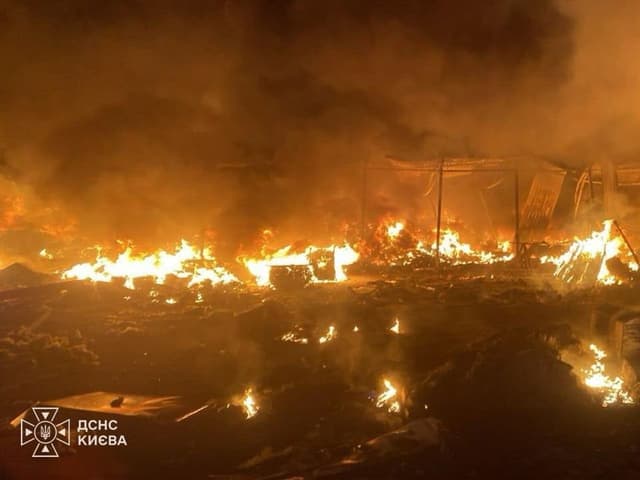
Russia has struck six energy facilities in Ukraine despite US President Donald Trump announcing an immediate ceasefire between the two countries over attacks on energy infrastructure, Ukrainian President Volodymyr Zelensky has said.
Zelensky said the attacks occurred hours after Trump announced on Sunday that both countries had agreed to halt strikes on energy facilities, raising doubts about whether Moscow was willing to respect the proposed truce.
According to the Ukrainian leader, the strikes targeted gas facilities, power infrastructure and other installations, leaving 33 people injured across the country.
“We did not attack, while Russia attacked our gas stations, energy infrastructure, and other facilities,” Zelensky told Fox News.
“I think it was Putin’s answer to President Trump,” he added.
Ukraine’s state-owned grid operator, Ukrenergo, reported fresh power cuts in Kharkiv, Donetsk and Zaporizhzhia on Monday following damage to energy equipment caused by Russian attacks.
The strikes also disrupted electricity supplies in Izyum, where power grids were destroyed, according to Ukraine’s state news agency, Ukrinform.
Energy and railway infrastructure in western Ukraine were also targeted overnight.
Authorities have introduced electricity rationing in some parts of the country to prevent damaged equipment from becoming overloaded.
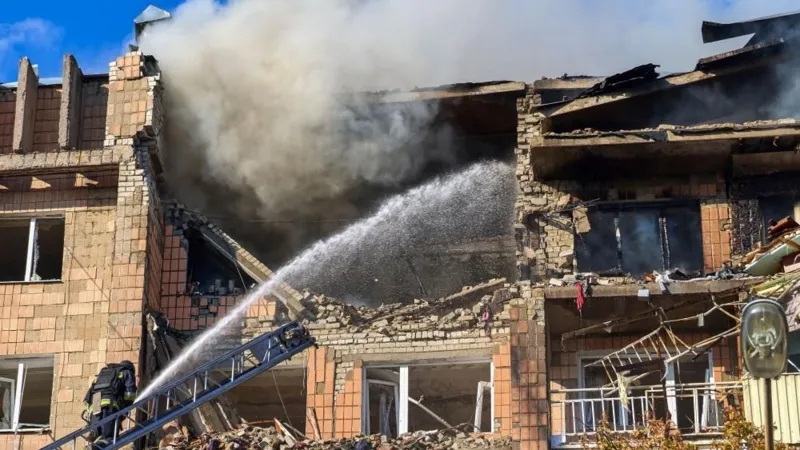
In a separate attack on Monday evening, Kyiv Mayor Vitali Klitschko said a Russian drone struck a 25-storey residential building in the Darnytskyi district of the Ukrainian capital, killing one person and injuring 11 others.
Several cars in the building’s courtyard also caught fire.
Zelensky said the latest attacks demonstrated that Russia was unwilling to honour the proposed truce.
When Trump first announced the ceasefire, the Ukrainian president said the agreement was “news to him”, although he described it as a potentially significant step towards ending the war if Washington ensured Moscow complied.
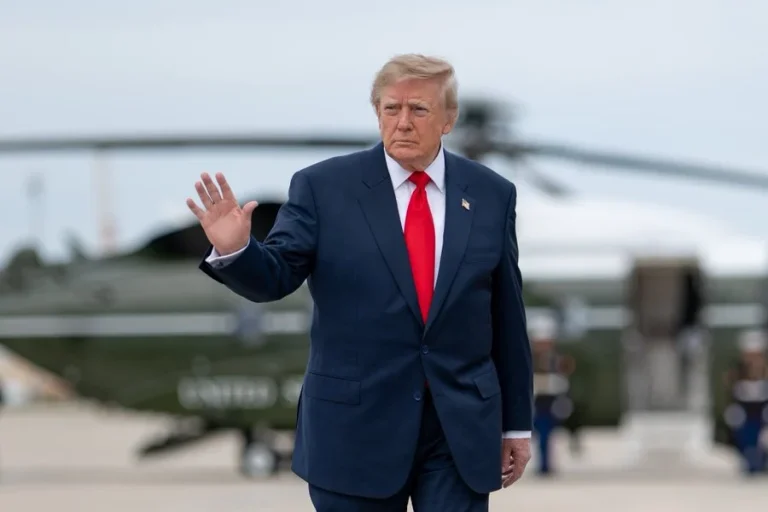
Trump, speaking on Monday, said the two sides agreed to the arrangement because he insisted on it.
“They agreed because I said you agree,” he said, adding that the war “has to get settled”.
“That war is a disaster if you see the numbers,” he added.
However, Russian Foreign Minister Sergei Lavrov said on Monday that Ukraine did not deserve the “respite” that a ceasefire would provide.
The proposed agreement comes amid continued attacks by both countries on energy infrastructure, which have disrupted supplies on either side since the war began.
Moscow maintains that the facilities it targets are legitimate military objectives because they support Ukraine’s war effort.
Kyiv, meanwhile, has defended its strikes on Russian territory as necessary to weaken Moscow’s ability to finance the conflict.
Analysis by BBC Verify found that attacks on energy infrastructure have increased ahead of the coming winter.
It recorded 273 strikes on Russian-controlled oil and gas facilities in 2026, more than double the 124 documented over the same period in 2025.
Separately, data compiled by the Armed Conflict Location and Event Data project showed that reported Russian attacks affecting Ukraine’s energy network had risen to 2.4 times the level recorded over the same period last year.
Trump has also been urging Ukraine to stop attacking Russian oil infrastructure, as Washington seeks to facilitate the release of Russian diesel to the United States and the global market.
The arrangement temporarily reverses US sanctions on energy imports, a move Zelensky described as a “gift” to Russian President Vladimir Putin.
British Prime Minister, Andy Burnham expressed support for Trump’s proposal, saying Britain “strongly supports President Trump’s call today for a sustained energy ceasefire to start now”.
France, Canada and the European Union also backed the initiative.
However, European officials have expressed doubts about its implementation. EU foreign policy chief Kaja Kallas said the bloc would welcome an energy ceasefire “when it holds”, adding that there was no evidence Russia was complying with the arrangement.
Estonia’s foreign minister also declared that the ceasefire was “not working”.