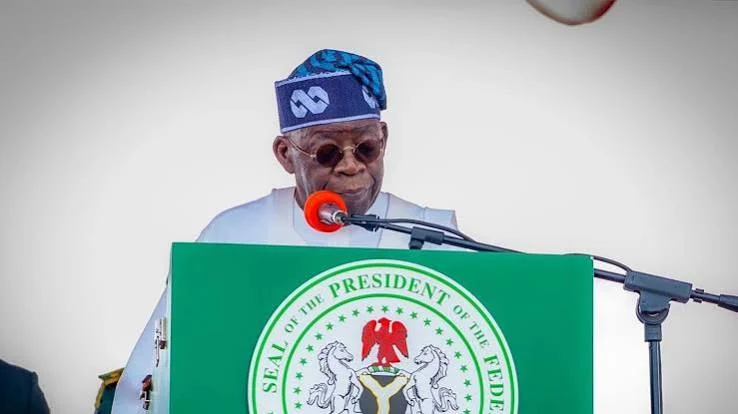
President Bola Tinubu has called for a major overhaul of the United Nations Security Council, demanding at least two permanent seats for Africa with veto powers.
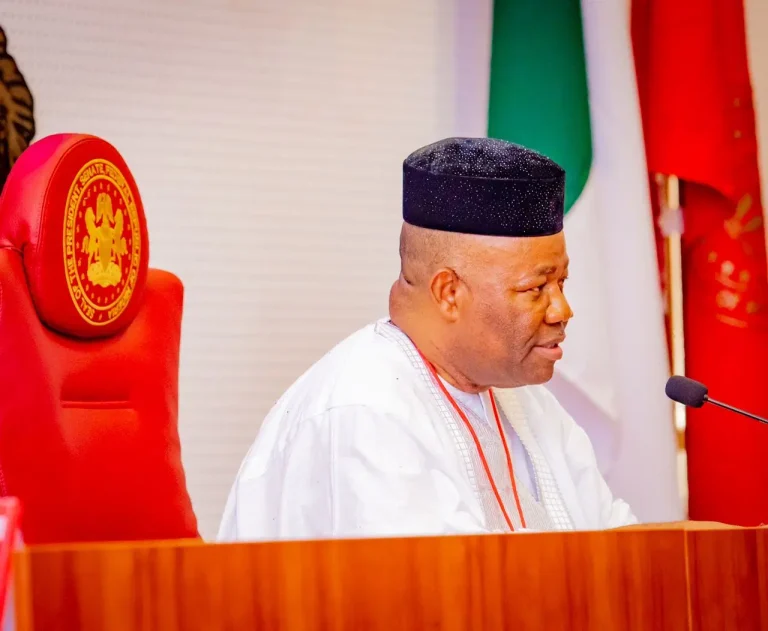
Tinubu made the call in his address to the General Debate of the 81st United Nations General Assembly in New York.
The address was delivered on his behalf by Vice President Kashim Shettima.
The President also demanded five non-permanent seats for African countries, arguing that the existing structure of the Security Council does not reflect current global realities.
Tinubu said Africa could no longer continue to contribute to international peace and security while remaining excluded from permanent membership of the council.
He said, “The reform of this institution must begin with the reconstitution of the Security Council, for the world of 2026 cannot remain captive to the distribution of power in 1945.”
The President said Nigeria’s position was consistent with the Ezulwini Consensus and the Sirte Declaration, which advocate greater African representation at the UN.
He also highlighted Nigeria’s contributions to peacekeeping and conflict resolution across the continent, citing its involvement in Liberia, Sierra Leone, Darfur, Mali and The Gambia.
Tinubu said Nigeria remained committed to promoting democratic governance, counter-terrorism, mediation and maritime security through regional and continental bodies.
On climate change, the President said developing countries should not be forced to choose between economic development and environmental protection.
He said, “We reject the false choice between development and climate action. Developing countries must industrialise, eradicate poverty and expand energy access through low-carbon pathways.”
Tinubu said Nigeria’s Energy Transition Plan was aimed at achieving net-zero emissions by 2060, while expanding access to affordable and reliable energy.
He also urged developed countries to provide predictable climate financing to developing nations, arguing that such funding should be based on equity and shared responsibility.
Speaking on artificial intelligence, the President called for responsible use of the technology, noting its potential to either cause harm or improve people’s lives.
He said, “We can deploy artificial intelligence to wage war or use it to transform healthcare, education, agriculture, governance and economic productivity.”
Tinubu said Nigeria was investing in digital infrastructure, broadband connectivity, research, innovation and technology entrepreneurship, while calling for international partnerships with Nigerian young people.
On the global financial system, the President advocated reforms that would improve developing countries’ access to concessional financing and support debt sustainability.
He also urged African countries to maximise the opportunities provided by the African Continental Free Trade Area by developing industries, increasing intra-African trade and adding value to their natural resources.
On security, Tinubu said Nigeria’s prolonged battle against Boko Haram, ISWAP and other armed groups had demonstrated that military operations alone could not guarantee lasting peace.
He said, “Military victories require enduring foundations in education, economic opportunity, accountable governance and communities whose rights and dignity are protected.”
The President called for stronger international cooperation against terrorism, organised crime, cyberattacks and illicit financial flows.
He also expressed concern over ongoing conflicts, including the war in Sudan, urging parties to protect civilians, respect international humanitarian law and pursue negotiated settlements.
Tinubu said Nigeria remained committed to resolving disputes through diplomacy and peaceful mechanisms provided under the UN Charter.
He added, “We place our faith in diplomacy because military victories alone cannot secure lasting peace.”
The President’s demand for permanent African representation comes amid renewed international calls for reform of the Security Council.
UN Secretary-General António Guterres has also criticised the continued absence of a permanent African presence on the council, describing the situation as unjustifiable.
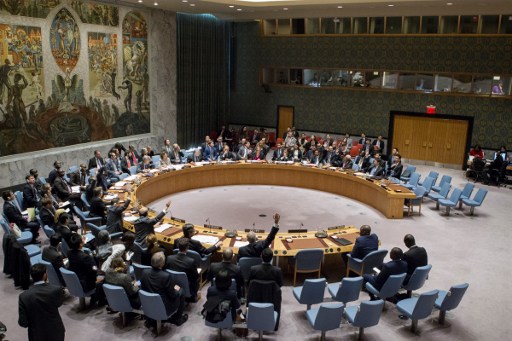
The Security Council has 15 members, comprising five permanent members — China, France, Russia, the United Kingdom and the United States — all of which possess veto powers.
The African Union has been pushing for at least two permanent seats with full privileges, including veto powers if the veto system remains, alongside five non-permanent seats.
Tinubu said Nigeria would continue to support efforts to build a more inclusive and representative international system.
He said, “Nigeria pledges to choose cooperation over confrontation, dialogue over division, hope over fear and partnership over isolation.”