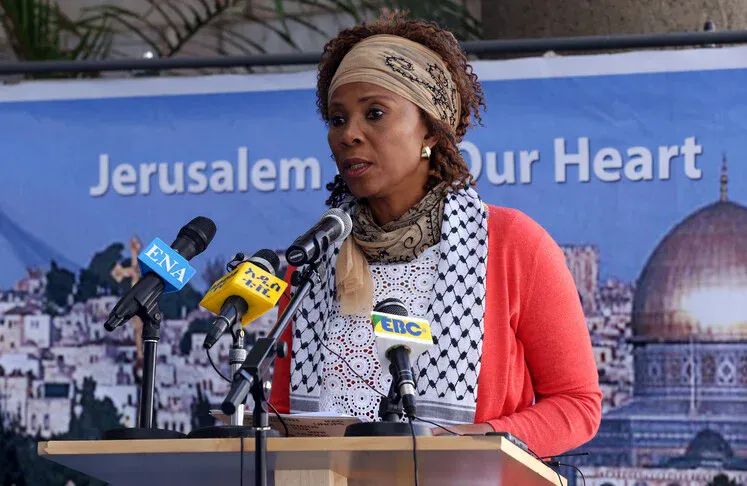
The Deputy Secretary-General of the United Nations, Amina Mohammed, has urged African countries to draw lessons from the experiences of previous leaders to develop a new generation of ethical and visionary leaders.
Mohammed made the call on Wednesday during a visit to the Olusegun Obasanjo Leadership Institute in Abeokuta, Ogun State.
She described the institute as an important platform for preserving leadership experiences and transferring knowledge to future generations.
Mohammed said, “Africa as a continent must draw lessons from the experiences of past leaders to prepare the next generation of ethical and visionary leaders.”
She added that the institute provided an avenue for leadership experiences to be remembered and used as a foundation for future leaders.
According to her, “Leadership for us to stand on the shoulders of those who have been there is important.”
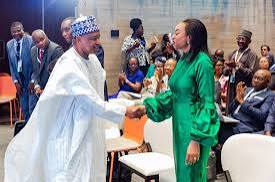
The UN deputy chief later held a closed-door meeting with former President Olusegun Obasanjo, the founder and Chairman of the Board of Trustees of the institute.
Discussions at the meeting centred on peacebuilding, sustainable development, youth leadership and the strengthening of governance institutions across Africa.
Obasanjo said the institute was created to ensure that leadership development on the continent was informed by experience, research and practical knowledge.
He said, “Our goal at OOLI is to ensure that leadership in Africa is not left to chance.”
He added that the institute sought to provide future leaders with a strong foundation by bringing together experience, scholarship and practice.
Also speaking during the visit, Prof. Samuel Daramola, Deputy Chief Executive Officer of the institute and a member of its Board of Trustees, described Mohammed’s visit as recognition of the organisation’s efforts to promote leadership development.
Daramola said, “Having the UN Deputy Secretary-General at OOLI is both an honour and a validation of our work.”
He noted that Mohammed’s emphasis on legacy and continuity aligned with the institute’s mission of developing leaders capable of making positive contributions to African communities and institutions.