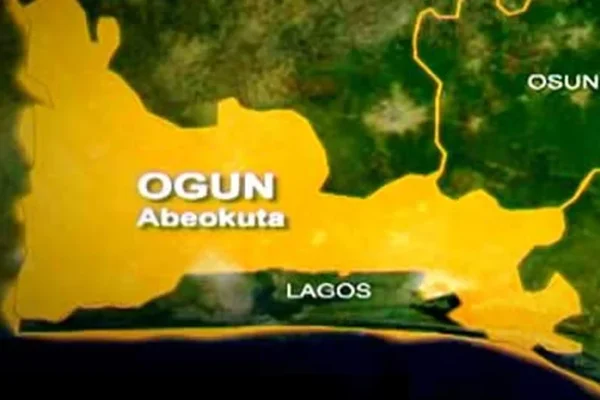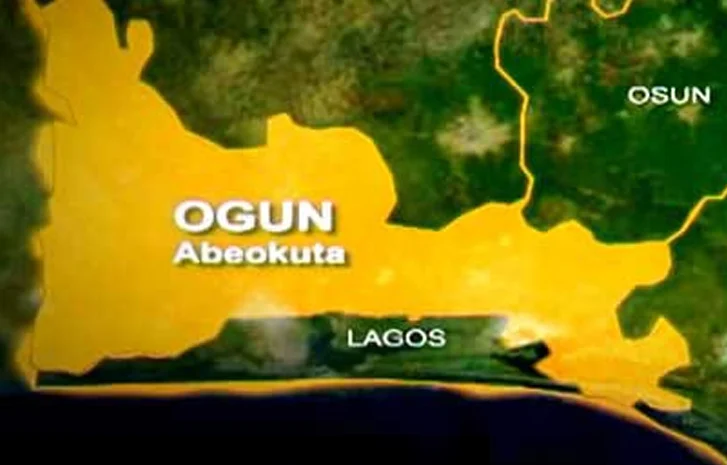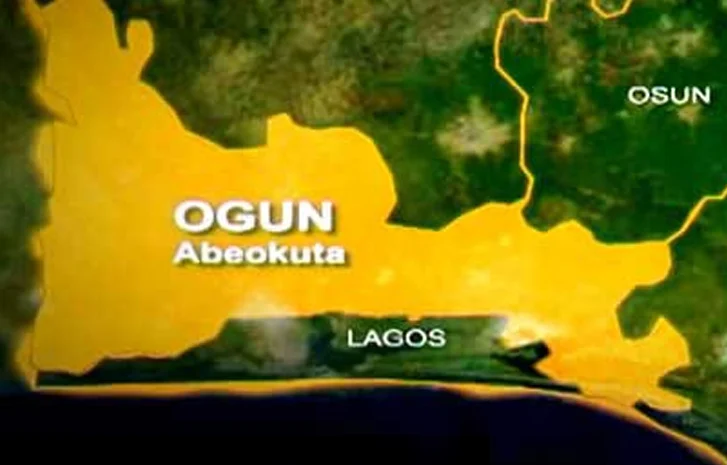
The Ogun State Government says it is intensifying investigations into recurring gaseous emissions in parts of Ijebuland after more than 100 secondary school students reportedly required medical attention following the latest incident.
The affected areas include Ijebu-Ode, Ijebu-Igbo and Ago-Iwoye, where students and residents reportedly experienced breathing difficulties, drowsiness and other symptoms after perceiving an unusual odour on Wednesday.
The government said an assessment team had visited affected healthcare facilities and school premises to evaluate the situation and investigate the possible source of the emissions.
According to a statement by the Special Adviser to Governor Dapo Abiodun on Information and Strategy, Kayode Akinmade, the team visited the General Hospital, Ijebu-Ode, where more than 30 students received treatment, before proceeding to Ijebu-Igbo Girls Grammar School for further assessment.
The statement said, “Findings from the affected students and information provided by the attending doctor revealed that the symptoms after inhaling this odour included shortness of breath, stomach disorders and drowsiness, among others.”
It added that some students required oxygen to stabilise their conditions, while others received treatment for less severe symptoms.
According to the government, most of the students had been discharged by the time the assessment team left the hospital, although a few remained under medical observation.
The team also inspected the affected school and surrounding communities to determine the extent of the incident and identify possible sources of the odour.
The government noted that the phenomenon extended beyond school premises, as residents of neighbouring communities also reported perceiving the substance.
The Chairman of Ijebu North Local Government Area reportedly confirmed that the odour was also detected at the council secretariat.
A team from the Nigerian Upstream Petroleum Regulatory Commission was said to have joined the investigation to help establish the source of the emissions and assess their potential environmental and health implications.
The latest incident has renewed concerns over repeated occurrences of unusual gaseous emissions in the Ijebu axis, particularly in Ijebu-Ode, where similar incidents have been reported since April.
A teacher at one of the affected schools, who spoke on condition of anonymity, said the incident began at about 10am, affecting both students and staff.
“The students and the staff started inhaling this gas and began to have difficulty in breathing and were fainting, after which they were rushed to the hospitals,” the teacher said.
The teacher added that some schools in Ago-Iwoye had to suspend activities around 11am as the situation worsened.
“Some parents who had heard about the unfortunate incident also came around to pick their children because nobody knows what is happening,” the teacher said.
The teacher expressed concern over the repeated incidents and urged the government to urgently determine their cause.
“I think it is taking the government so long to get to the root of this mysterious deadly gas leakage. The government has to do something fast to address this situation before it gets too late,” the teacher added.
Previous incidents have also resulted in mass hospitalisations. About 40 students were reportedly affected in April, while more than 120 students were hospitalised following another occurrence in May. A further 69 students reportedly required medical attention on June 1.
Schools previously affected include Our Lady of Apostles Secondary School, Epe Garage, Ijebu-Ode; Anglican Girls Grammar School, Ijebu-Ode; and St Anthony Grammar School, Ijebu-Imusin.
The Ogun State Commissioner for Environment, Ola Oresanya, had earlier attributed previous occurrences to natural underground gas emissions linked to geological formations and tectonic fault lines, ruling out sabotage and gas pipeline leakage as possible causes.
Governor Abiodun had also disclosed in June that the state government was working with relevant regulatory agencies and the Department of Geology at Olabisi Onabanjo University to determine the cause.
He said gas analysers had been installed in affected schools to identify the substance and measure its concentration.
“Following the first occurrence, we installed gas analysers across the schools to determine the nature and concentration of the gas, which has now been confirmed to be methane,” the governor said.
He added that preliminary findings suggested possible geological factors, including fault lines, could be responsible for the emissions, while the government awaited the final report from experts.
Investigations into Wednesday’s incident are continuing, with the government expected to sustain surveillance of affected areas and monitor students still receiving medical care.