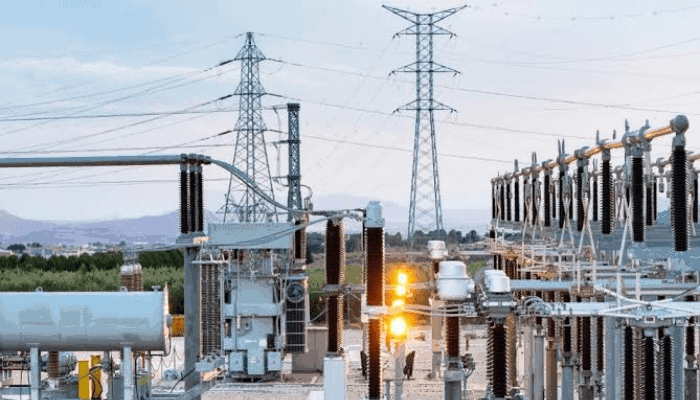
Nigeria’s electricity generation fell sharply from about 3,840 megawatts (MW) to 476.70MW on Monday, October 19, raising concerns over the stability of the national power supply.
Data obtained from the Nigerian Independent System Operator’s portal showed that generation remained relatively steady during the morning before declining drastically around 12:40 pm.
By 1 pm, total electricity generation had dropped to 476.70MW, representing a reduction of more than 3,300MW from the level recorded at 7 am.
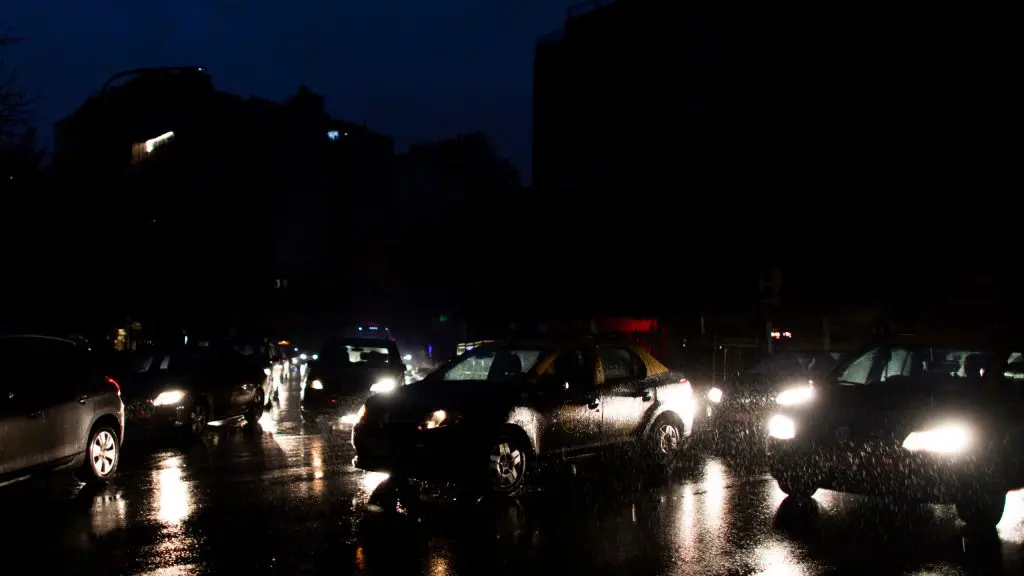
The decline coincided with reports of power outages in some parts of the country, with electricity consumers complaining about interruptions between 12:45 pm and 1:20 pm.
Only a few generating stations, including Odukpani National Integrated Power Project, Omotosho and Sapele, were contributing electricity to the national grid at the time of the report.
Several major power stations, including Egbin, Jebba, Shiroro and Kainji, recorded zero output, alongside a number of gas-fired facilities.
By 1:23 pm, the NISO dashboard put generation at approximately 480MW, with only five generating companies recording output.
However, a senior NISO official dismissed suggestions that the incident amounted to a national grid collapse, insisting that the system had not experienced a widespread disturbance.
“There is no disturbance at the moment. Probably if something is happening, maybe it is a local issue, but there is nothing on the grid,” the official said.
The official explained that isolated power interruptions could result from minor faults or equipment tripping and did not necessarily indicate a collapse of the entire national grid.
“Some of these things are tripping or other minor issues that, within minutes, you just see that it is fixed,” the official added.
According to the report, NISO had directed its technical team to conduct an immediate system check to determine the cause of the sharp decline in generation.
The development comes amid recurring concerns over the reliability of Nigeria’s electricity infrastructure and previous disturbances affecting power supply across the country.
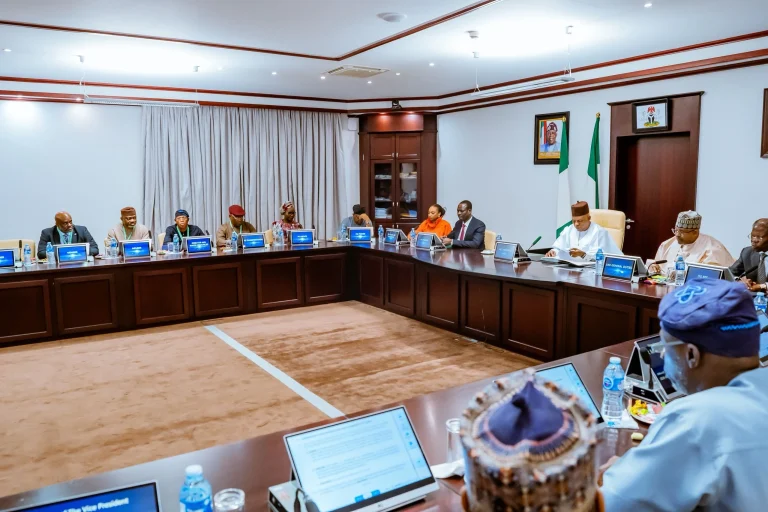
In response to the persistent challenges, the Federal Government had recently approved plans to develop new eastern and western power grids to strengthen the electricity transmission system and reduce the impact of recurring grid failures.
The cause of Monday’s sharp drop in generation had yet to be established at the time of reporting.