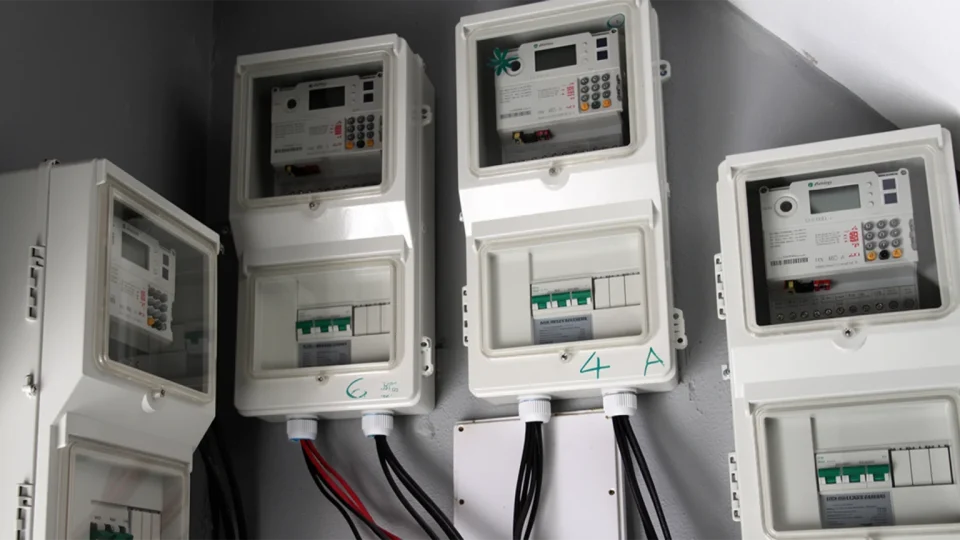
The Federal Government has approved a financing framework and key institutional reforms aimed at improving electricity supply in public health facilities, with a target of ensuring reliable 24-hour power in at least 30 per cent of health institutions across the country by the end of 2027.
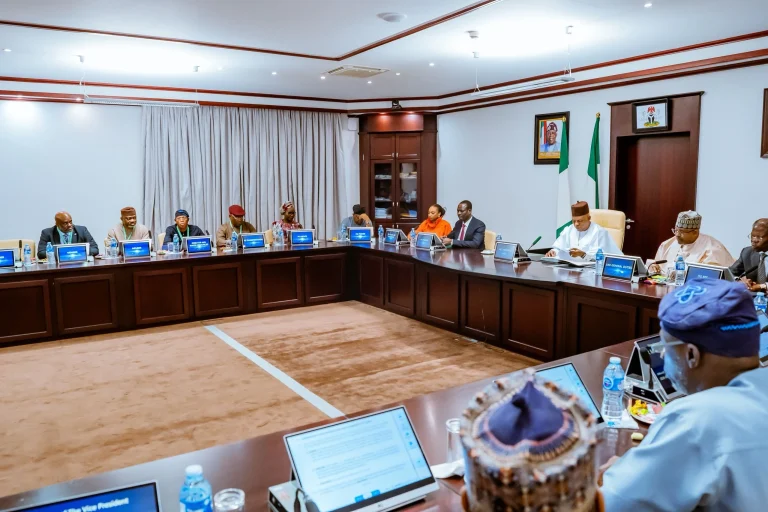
The approval was given during the third meeting of the Inter-Ministerial Steering Committee of the Nigeria Power for Health Initiative, a presidential programme jointly implemented by the Federal Ministry of Health and Social Welfare and the Federal Ministry of Power.
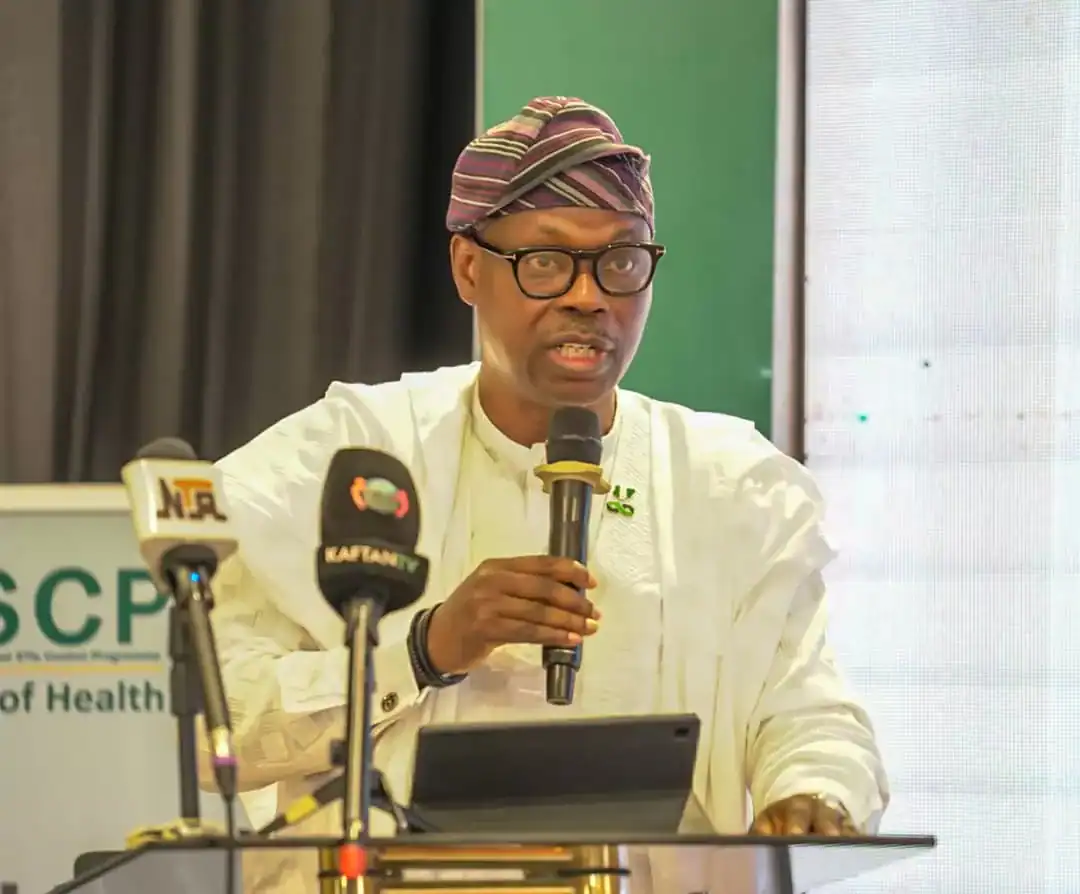
Speaking after the meeting in Abuja, the Minister of State for Health and Social Welfare, Dr. Iziaq Salako, said the committee endorsed governance structures, approved a facility energy management framework and shortlisted eight private-sector proposals for further engagement after reviewing about 70 submissions received during the National Healthcare Electrification Investor Matchmaking Week in Lagos.
“The steering committee considered the report of the technical committee and was pleased with the progress recorded so far. This is another important step in advancing the Nigeria Power for Health Initiative established by President Bola Tinubu after the National Dialogue in December 2025,” Salako said.
He explained that the newly approved financing framework is designed to attract investments into healthcare electrification, while the energy management framework will ensure participating hospitals maintain and sustain their power infrastructure.
According to the minister, Energy Management Teams have already been established in federal tertiary hospitals, with state governments encouraged to replicate the initiative in their health facilities.
“Our goal is to provide reliable electricity to at least 30 per cent of Nigeria’s health facilities by the end of 2027 through public-private partnerships that prioritise energy-as-a-service models,” he stated.
Salako noted that the programme would adopt different energy solutions depending on the specific needs of each health facility.
“There is no one-size-fits-all solution. Some facilities will operate on mini-grids, others may require gas-powered systems or other technologies. The most suitable option will be deployed based on each location’s needs,” he added.
He disclosed that significant progress had been recorded since the initiative began about eight months ago, with governance structures largely completed and electrification projects already underway at primary, secondary and tertiary healthcare facilities nationwide.
According to him, the Rural Electrification Agency has already installed containerised solar power systems in about 100 hospitals across the country.
“While we have focused on building the necessary governance structures, electrification projects are also progressing simultaneously. The Rural Electrification Agency alone has energised about 100 hospitals nationwide,” Salako said.
Responding to questions on when uninterrupted power would become a reality in tertiary hospitals, the minister said the initiative forms part of the Federal Government’s broader effort to reform Nigeria’s electricity sector.
“The bigger question is when blackouts will disappear from the country entirely. That process is ongoing, but the reforms introduced by the President have opened up opportunities for initiatives like this. We are confident that Nigeria will gradually overcome persistent power outages,” he said.
The Minister of Power, Joseph Tegbe, said the focus would now shift from policy announcements to delivering visible projects across the country.
“It is time to move beyond groundbreaking ceremonies and media events. Nigerians should begin to see teaching hospitals, state hospitals and primary healthcare centres that have been fully electrified and are functioning effectively,” Tegbe said.
He added that reliable electricity would improve healthcare delivery and eliminate the dependence on generators during medical emergencies.
“We want to end the era where generators have to be rushed to hospitals during emergencies. We will continue to prioritise this initiative while ensuring every investment delivers value for money,” he stated.
Also speaking, the Permanent Secretary of the Federal Ministry of Power, Mahmuda Mamman, described reliable electricity as essential for operating critical medical equipment, preserving vaccines, supporting laboratories and strengthening emergency healthcare services.
He said the Nigeria Power for Health Initiative represents a collaborative effort between the Federal Government, development partners and the private sector to address one of the most significant infrastructure challenges affecting Nigeria’s healthcare system.
The initiative, approved by President Bola Tinubu in December 2025, seeks to deploy tailored energy solutions—including solar mini-grids, gas-powered systems and other renewable technologies—to health facilities nationwide through a public-private partnership model.
It also aims to establish a national database of healthcare electrification projects to improve coordination, reduce duplication and attract private investment into the sector.