The death toll from weeks of unrest in Iran has reached more than 500, according to a United States-based rights organisation, as tensions escalate between Tehran and Washington over the crisis.
Rights group HRANA said on Sunday that at least 490 protesters and 48 security personnel have been killed since demonstrations erupted on December 28, bringing the confirmed death toll to 538.
The group added that more than 10,600 people have been arrested during the two-week unrest. Iran has not released an official casualty figure, and Reuters could not independently verify the numbers.
The protests, initially triggered by soaring prices, have since morphed into the most serious challenge to Iran’s clerical leadership since 2022, with chants increasingly targeting the political establishment that has ruled since the 1979 Islamic Revolution.
As the situation worsened, U.S. President Donald Trump renewed threats to intervene if force continues to be used against protesters. Trump was expected to meet senior advisers on Tuesday to discuss options on Iran, a U.S. official told Reuters.
The Wall Street Journal reported that the options under consideration include military strikes, cyber operations, expanded sanctions and digital support for anti-government groups.
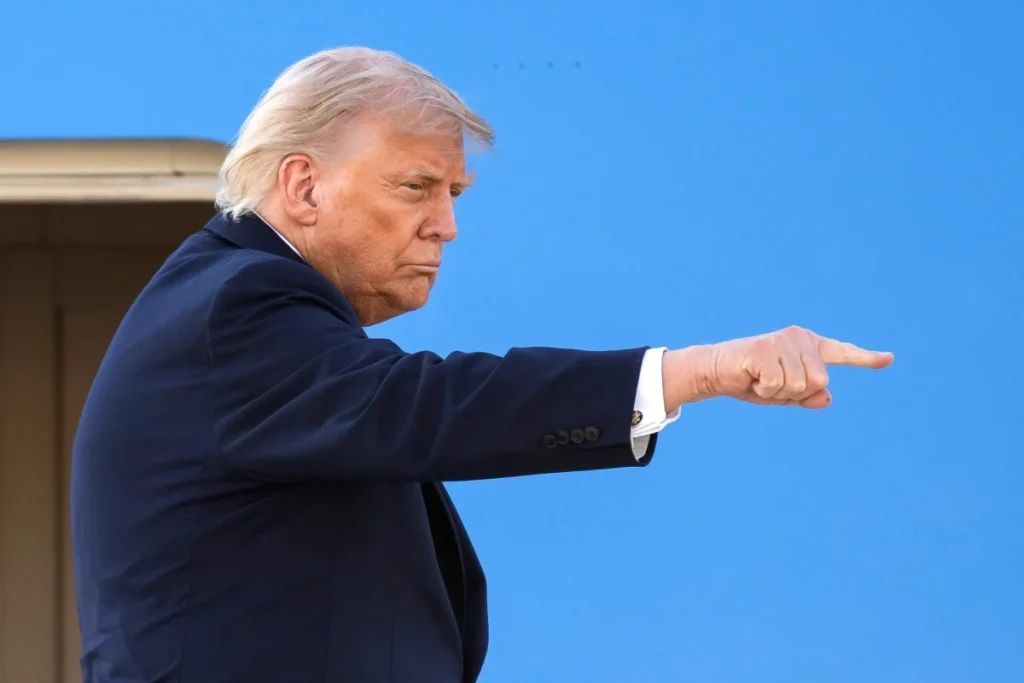
“The military is looking at it, and we’re looking at some very strong options,” Trump told reporters aboard Air Force One on Sunday night.
Trump also claimed he had been in contact with Iranian opposition leaders and said, without providing details, that Iran’s leaders had reached out to him seeking negotiations.
“Iran is looking at FREEDOM, perhaps like never before. The USA stands ready to help!!!” Trump wrote on social media on Saturday.
Iranian officials reacted sharply, warning that any U.S. intervention would provoke retaliation. Parliament Speaker Mohammad Baqer Qalibaf cautioned Washington against what he described as a dangerous error.
“Let us be clear: in the case of an attack on Iran, the occupied territories (Israel) as well as all U.S. bases and ships will be our legitimate target,” Qalibaf said.
Iranian authorities have blamed the unrest on foreign interference, accusing the United States and Israel of stoking violence.
State media reported that a nationwide rally was planned for Monday to condemn what officials described as “terrorist actions led by the United States and Israel.”
President Masoud Pezeshkian echoed the accusations in a televised interview, alleging that Iran’s enemies had deployed violent elements to destabilise the country.
“Families, I ask you: do not allow your young children to join rioters and terrorists who behead people and kill others,” he said, adding that the government was willing to listen to public grievances and address economic challenges.
Information from Iran has been limited by an internet blackout imposed last week. Trump said on Sunday that he would speak with Elon Musk about restoring internet access through Starlink.
Despite the blackout, videos shared online showed night-time protests in Tehran and other cities, including Mashhad, where footage captured fires burning in the streets, masked protesters, debris-strewn roads and the sound of explosions.
Iranian state television broadcast images of body bags at Tehran’s coroner’s office, claiming the dead were victims of violence carried out by “armed terrorists.” Families were also shown waiting outside forensic centres to identify loved ones.
U.N. Secretary-General Antonio Guterres said he was alarmed by reports of violence and urged restraint.
“The rights to freedom of expression, association & peaceful assembly must be fully respected & protected,” he said on X.
Authorities declared three days of national mourning for what they described as “martyrs killed in resistance against the United States and the Zionist regime.”
Meanwhile, Israeli officials said the country was on high alert amid the possibility of U.S. intervention.
Israel and Iran fought a brief war in June 2025, during which the United States struck Iranian nuclear sites before Iran retaliated with missile attacks on Israel and a U.S. base in Qatar.
Analysts remain sceptical that the protests will bring down Iran’s leadership. Former U.S. diplomat Alan Eyre said the government is more likely to suppress the unrest, though at significant cost.
“I think it more likely that it puts these protests down eventually, but emerges from the process far weaker,” he told Reuters.
Protests in support of Iranian demonstrators have also spread abroad. In Los Angeles, a truck drove into a crowd rallying in solidarity with protesters in Iran, injuring several people, according to local media.
Exiled opposition figure Reza Pahlavi urged Iranians to continue demonstrating, praising their courage.
“Do not abandon the streets,” he wrote on X.