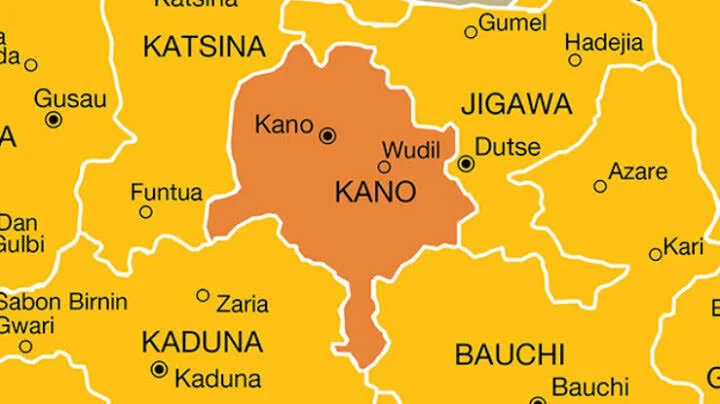
The Nigerian Army has deployed a new battalion and an artillery regiment to Kano State as part of measures to strengthen security operations and improve responses to emerging threats.
The General Officer Commanding, 1 Division, Nigerian Army, and Commander, Sector 1, Joint Task Force, Operation Fansan Yamma, Major General Abubakar Muhammad Wase, disclosed this during an assessment visit to the newly established formations.
The units, comprising the 24 Battalion in Tudun Wada and the 311 Artillery Regiment in Dambatta, were visited by the GOC between October 28 and 29.
Wase, according to a statement issued by the Deputy Director, Army Public Relations, 1 Division, Colonel Abubakar Abdullahi, said the new formations required commitment, resilience and collective efforts to achieve their operational objectives.
He said, “Being fledgling formations, these units require collective resilience and dedication to achieve the desired objectives behind their establishment.”
The Army commander also assured personnel that efforts were being made in collaboration with the Kano State Government to ensure the units became fully operational.
He identified the welfare of soldiers and the provision of adequate logistics as key priorities in strengthening their operational capacity.
During the visit, Wase, accompanied by the Commander, 3 Brigade, Brigadier General Saka Jimoh, also engaged local government officials in Dambatta and Tudun Wada.
He called on residents and community leaders to cooperate with the military, stressing that public support was essential to achieving lasting security.
The GOC emphasised the need for stronger collaboration between security agencies and host communities to create a safer environment for residents.
The Army explained that the deployment formed part of its wider restructuring and expansion programme aimed at improving the country’s security architecture and strengthening its capacity to respond to security challenges.
The assessment visit was also intended to evaluate the operational preparedness of the new formations and identify areas requiring additional support.