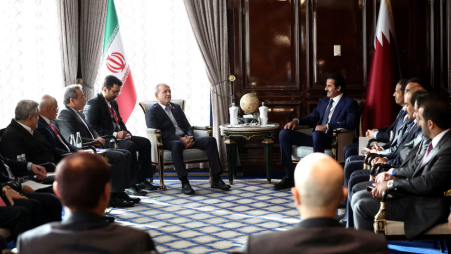
Iranian negotiators have held fresh discussions with Qatari mediators in Doha as diplomatic efforts intensify to prevent renewed hostilities between Tehran and Washington following the United States midterm elections.
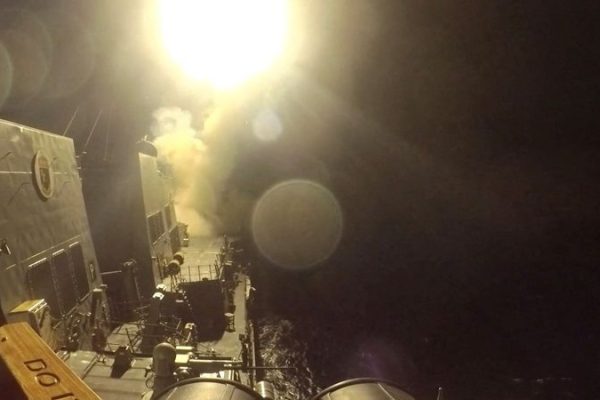
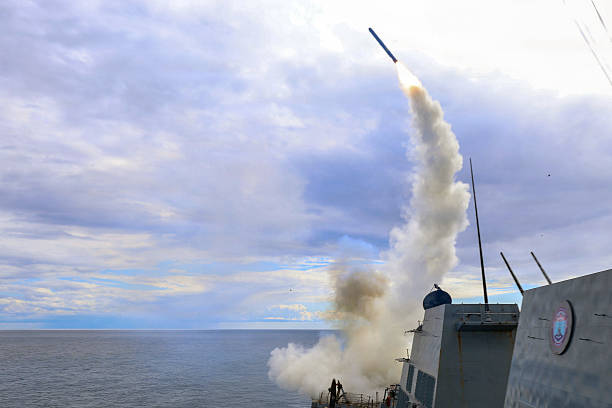
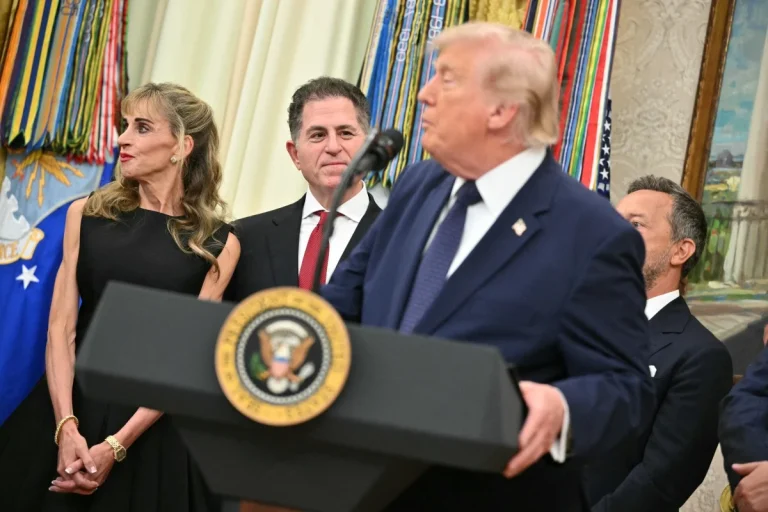
The discussions, held on Saturday, came amid growing concerns that US President Donald Trump could resume military strikes against Iran after the elections.
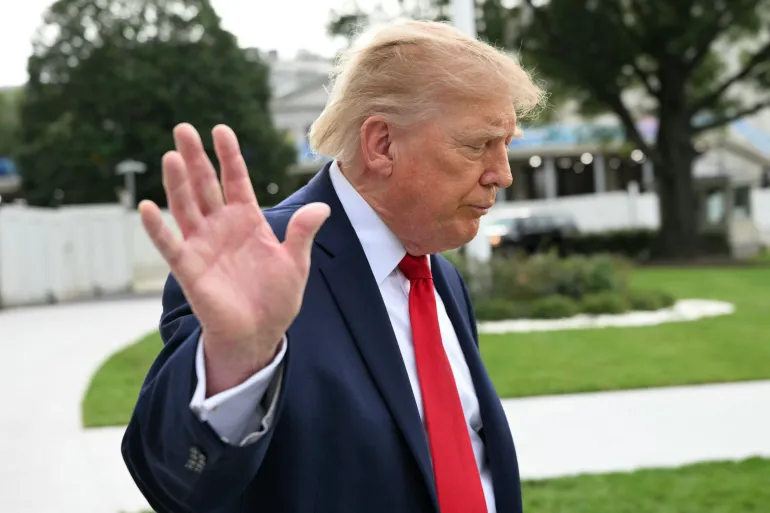
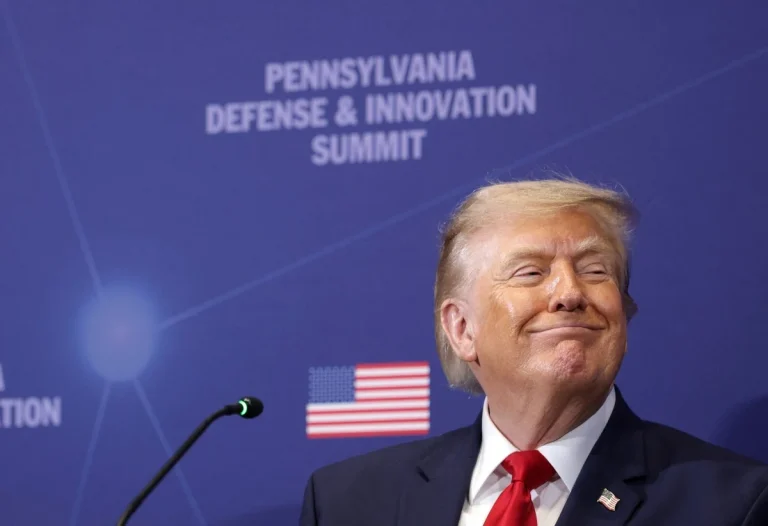
However, US Secretary of State Marco Rubio said Trump had yet to decide whether to launch fresh attacks, adding that the American leader preferred a diplomatic solution.
The Saturday meeting followed more than 12 hours of discussions between Iranian and Qatari representatives in Tehran on Friday, according to a source familiar with the negotiations who spoke to Reuters anonymously.
The source said the discussions were being coordinated through regular communication with Washington.
Qatar has reportedly presented Iran with a seven-day confidence-building proposal intended to pave the way for broader peace negotiations.
Under the arrangement, the United States and Iran would take daily steps to rebuild trust before commencing wider discussions.
However, a senior Iranian official said Tehran was dissatisfied with the proposal.
Iran has also maintained its own seven-day proposal, which it has been presenting since September but which Trump has rejected.
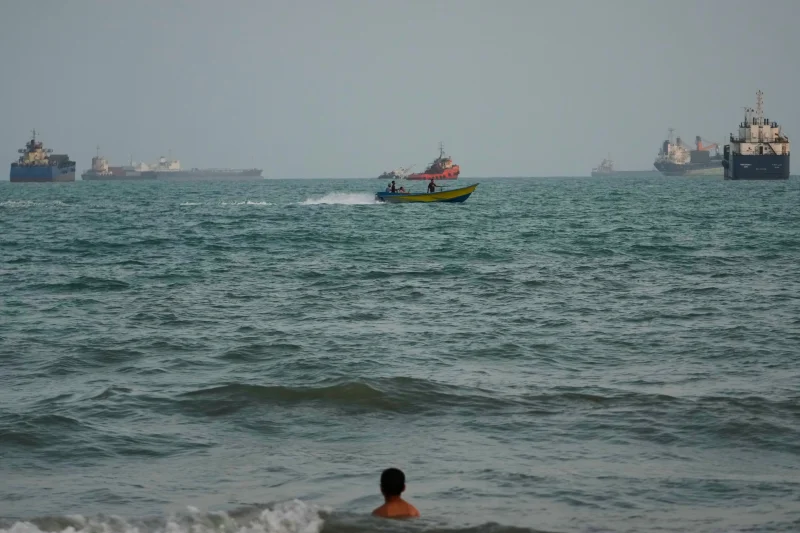
The Iranian plan requires Washington to lift its blockade of Iranian ports, release frozen Iranian assets and approve an Iran-backed arrangement for passage through the Strait of Hormuz before the strategic waterway is reopened.
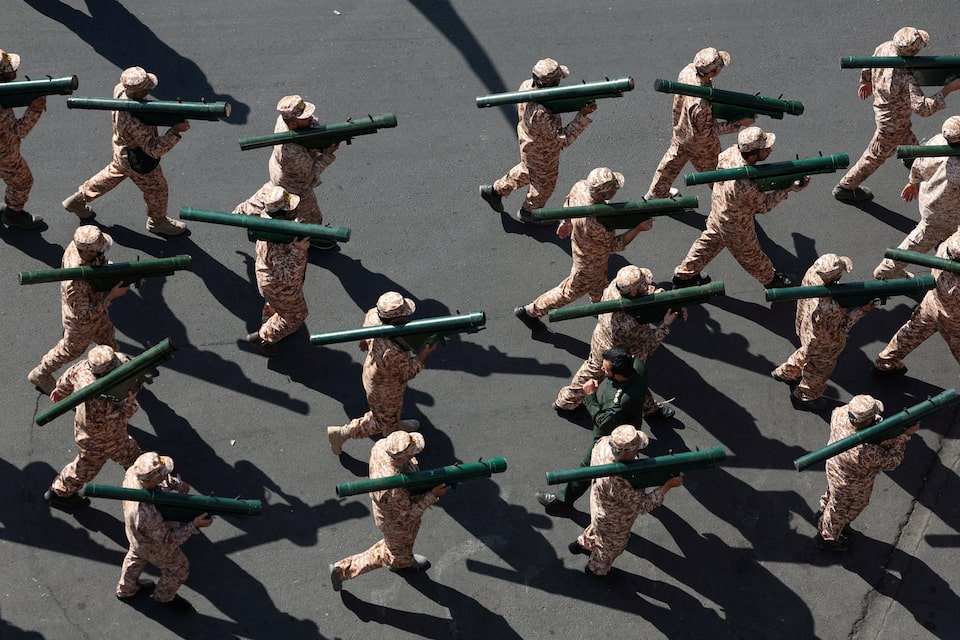
Meanwhile, Iran’s Supreme Leader Ayatollah Mojtaba Khamenei has directed the country’s armed forces to remain prepared for an immediate response to any military aggression.
The Iranian military subsequently announced measures to strengthen its operational readiness.
In a statement published on his official Telegram account on Saturday, Khamenei warned that any attack would attract a forceful response.
“Any level or type of threat must be met with an immediate, impactful, and geographically unrestricted response,” he said.
Khamenei added that senior military commanders had assured him of the country’s high level of preparedness along the Gulf coast, around the Strait of Hormuz and Gulf of Oman, as well as its northwestern and southeastern borders.
Separately, Iran’s security chief, Mohsen Rezaei, disclosed that Tehran was considering whether to abandon its longstanding prohibition on nuclear weapons if hostilities resumed. He, however, stressed that no decision had been reached on the matter.
Rezaei also maintained that negotiations over Iran’s nuclear programme could not proceed unless Washington accepted the country’s demands.
Speaking in Atlanta, where he was hosting foreign ministers from the Group of 20 major economies, Rubio confirmed that diplomatic contacts between Washington and Tehran were continuing through direct and indirect channels.
“There are multiple talks. Talks have actually never stopped,” he said.
Rubio added that Trump remained confident in America’s military capabilities but preferred to resolve the dispute through negotiations.
Trump launched the war alongside Israel in February and has repeatedly suggested that further military action against Iran remains an option.
Last week, he urged Israelis to retain Prime Minister Benjamin Netanyahu in power ahead of their election, saying the two leaders could “finish the job”.
Despite the military threats, Washington has recently signalled some willingness to explore diplomatic options.
US Vice President JD Vance reportedly sent a letter to Rezaei earlier in the week to explore the possibility of restarting negotiations.
Trump later played down the significance of the correspondence, saying he had authorised it only to discuss the possibility of allowing additional medical supplies into Iran.
“I said if you want to do that, that’s ok. Basically, it’s getting supplies in to help people that are not well.”
Iranian Foreign Minister Abbas Araqchi said on Saturday that Tehran was studying Vance’s letter.
He also insisted that Iran’s proposal remained the only plan available for reopening the Strait of Hormuz.