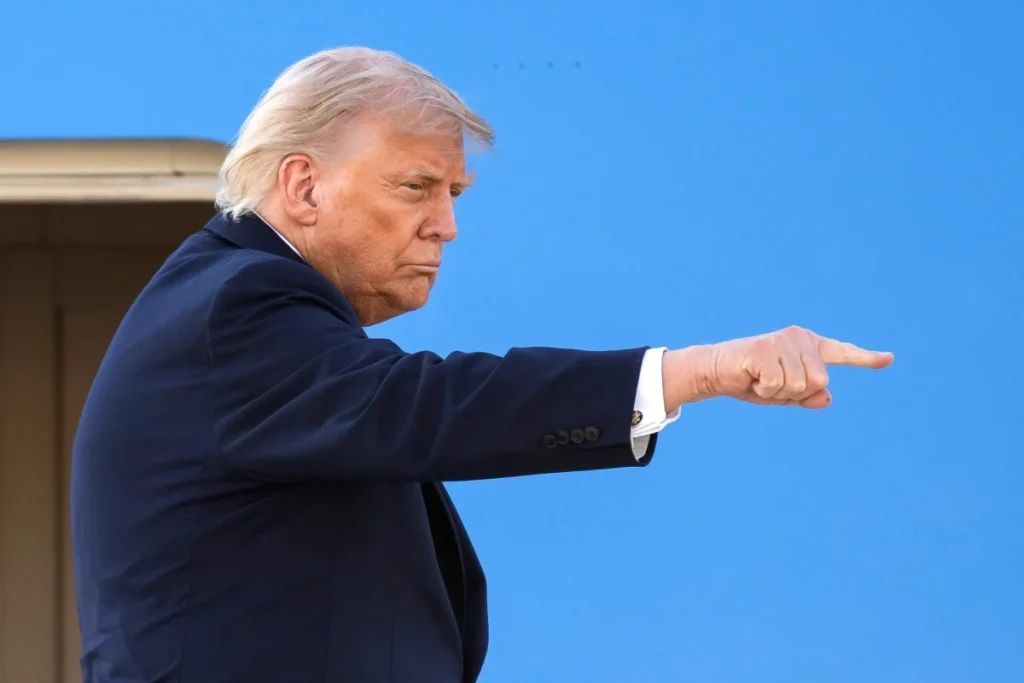
United States President, Donald Trump, said on Wednesday that the Iranian authorities appeared to have halted the killing of protesters, though he stopped short of explaining how that development might affect the prospect of U.S. military intervention.
“We’ve been told that the killing in Iran is stopping, it’s stopped, it’s stopping,” Mr. Trump told reporters at the White House. “And there’s no plan for executions, or an execution, or execution, so I’ve been told that on good authority.”
According to the president, the information came from “very important sources on the other side,” though he declined to identify them, adding that he would “find out” later whether the claims were accurate.
Just a day earlier, Mr. Trump had suggested he was edging closer to military action, posting on social media that protesters, whom he described as “Iranian patriots”, should continue demonstrating because “HELP IS ON ITS WAY.”
Since January 2, Mr. Trump has repeatedly warned that the United States would strike Iran if its government harmed demonstrators.
Iranian security forces have responded to days of unrest with a harsh crackdown, including the use of live ammunition.
Human rights organizations and Iranian officials say the violence has resulted in the deaths of hundreds, possibly thousands, of civilians.
With Iran having shut down internet access nationwide, it remained difficult on Wednesday to verify whether the killings had fully stopped. Observers say the protests appear to have diminished in size compared to last week.
When pressed on whether military action was now unlikely, Mr. Trump said, “We’re going to watch and see what the process is, but we were given a very good statement by people that are aware of what’s going on.” He offered no details about the statement or its sources.
The comments could be seen as signaling a pause in any immediate strike plans. However, in June, shortly before the United States carried out airstrikes on three Iranian nuclear facilities, Mr. Trump had publicly said he would decide “within the next two weeks,” despite having already largely settled on military action.
A senior U.S. official said late Wednesday that military options presented by commanders remained under consideration, and that any decision would depend on the next moves by Iranian security forces.
Iran announced Wednesday evening that it was shutting its airspace to commercial traffic, according to a notice posted on the Federal Aviation Administration’s website.
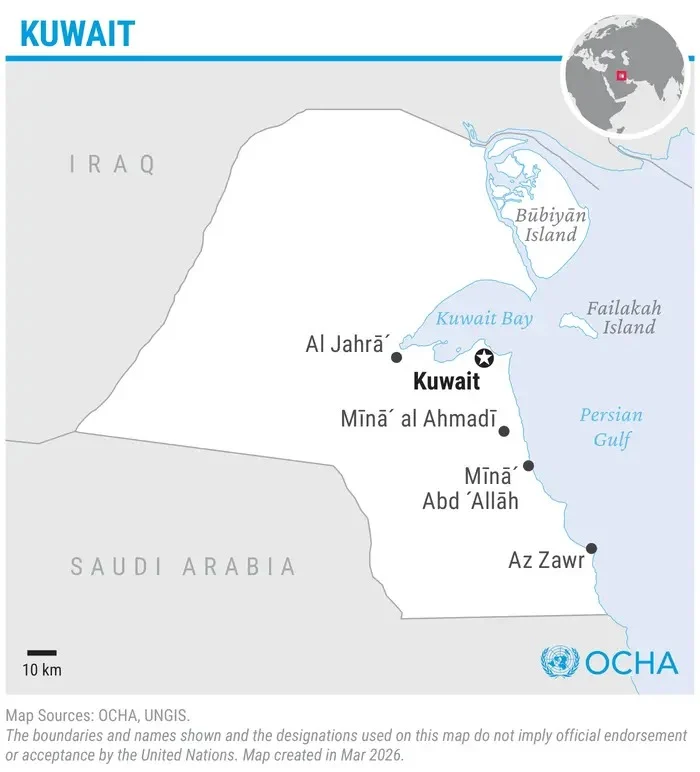
Amid rising tensions, the U.S. military began evacuating an unspecified number of nonessential personnel from Al Udeid Air Base in Qatar, according to two U.S. military officials speaking anonymously. The Pentagon’s Central Command declined to comment.
Following Mr. Trump’s remarks later on Wednesday, however, the Pentagon appeared ready to allow personnel to return to the base. One U.S. military official described the president’s comments as “an off-ramp.”
Long-range bombers based in the United States had been placed on alert for potential follow-up strikes, but that posture was paused by Wednesday afternoon, another official said.
Britain has also begun withdrawing some of its personnel from the base in Qatar, according to a person briefed on the move. The British Defense Ministry declined to comment.
If Mr. Trump ultimately orders military action against Iran, his options are constrained. Last autumn, the Pentagon redeployed the aircraft carrier Gerald R. Ford and its escort ships from the eastern Mediterranean to the Caribbean.
Still, U.S. officials say the Navy currently has three missile-capable destroyers in the Middle East, including the Roosevelt, which recently entered the Red Sea. At least one missile-equipped submarine is also operating in the region.
Pentagon officials have outlined multiple scenarios for Mr. Trump, including strikes against Iran’s nuclear facilities beyond those hit in June, as well as ballistic missile sites.
Other possibilities, such as cyber operations or targeting Iran’s internal security forces accused of killing protesters, are considered more likely, according to officials. Any military action would be several days away and could trigger a strong Iranian response.
After U.S. strikes on Iranian nuclear sites last June, Tehran retaliated by launching missiles at Al Udeid, the largest U.S. base in the Middle East. The base serves as Central Command’s regional headquarters and houses roughly 10,000 American troops.
U.S. intelligence agencies assess that Iran would again retaliate against American military installations if struck, officials briefed on the intelligence said.
That assessment was reviewed at the White House on Tuesday night. Intelligence officials believe Iran could also target U.S. forces stationed in Syria and Iraq.
Iranian leaders have openly warned of retaliation. Ali Shamkhani, a senior Iranian official and adviser to the country’s supreme leader, said in a social media post on Wednesday, “The President of the United States, who repeatedly speaks about the unsuccessful attack on Iran’s nuclear facilities, would do better to also mention the Iranian missiles that crushed the U.S. Al-Udeid base. This would certainly help create a more realistic understanding of Iran’s will and capability to respond to any aggression.”
U.S. officials say the ongoing protests represent the most serious challenge to Iran’s government since the 1979 revolution. However, it remains unclear whether the state or the demonstrators hold the advantage.
A senior Iranian Health Ministry official told The New York Times on Monday that roughly 3,000 people had been killed nationwide, claiming that “terrorists” were behind the unrest and that hundreds of security personnel had also died.
Another Iranian official said he had reviewed an internal report citing at least 3,000 deaths, warning that the figure could rise further — a concern echoed by human rights groups outside the country.