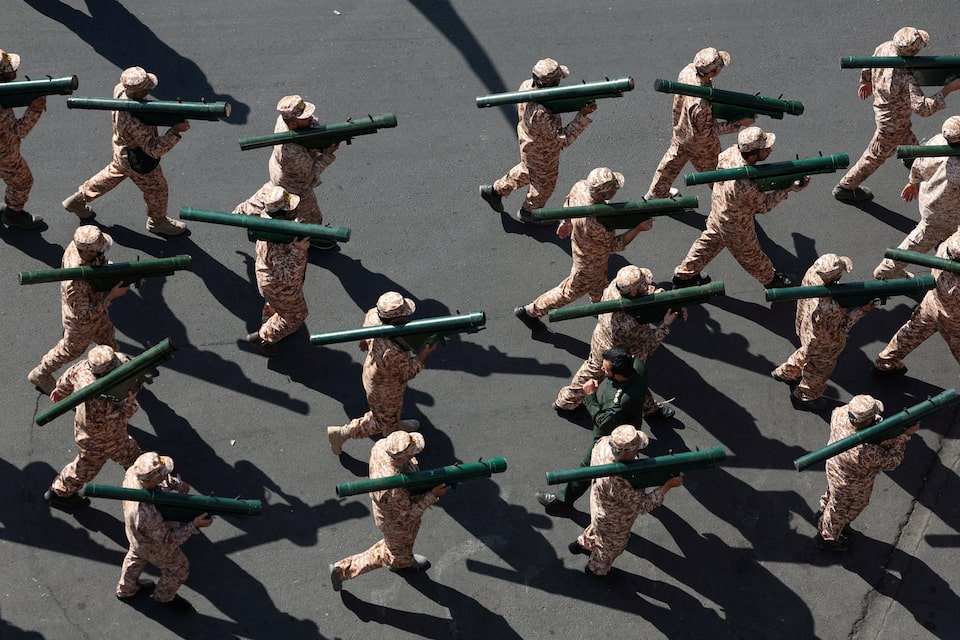
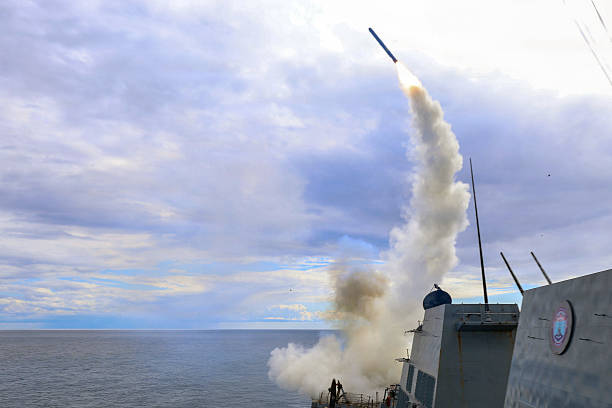
The Islamic Revolutionary Guard Corps has issued a 30-day ultimatum to the United States military, demanding an end to what it described as a blockade of Iranian ports.
It warned that US President Donald Trump faces what it called an “impossible military operation or a bad deal” if tensions continue to escalate.
The statement follows Tehran’s submission of a 14-point proposal to Washington, which calls for sweeping security and political guarantees, including assurances of non-aggression, the lifting of naval restrictions, and a halt to hostilities “on all fronts“, including Lebanon.
Iran’s Foreign Ministry spokesperson, Esmaeil Baghaei, said the framework goes beyond a temporary arrangement, insisting on “a permanent end to the war, not a fragile ceasefire or extended pause.”
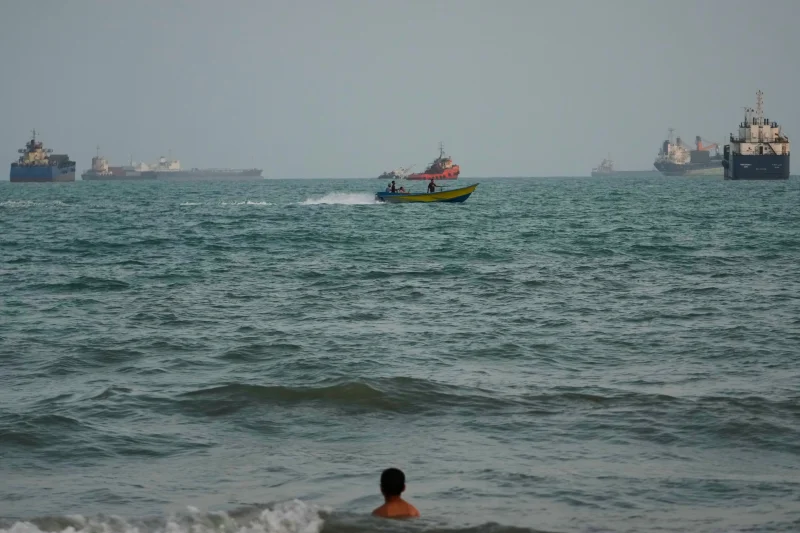
The proposal also demands the lifting of what Tehran describes as a US blockade affecting the Strait of Hormuz and Iranian ports, alongside broader confidence-building measures between both countries.
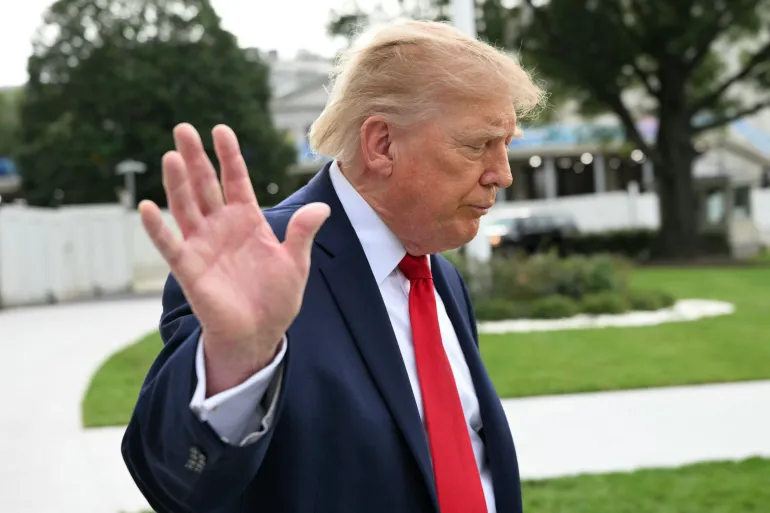
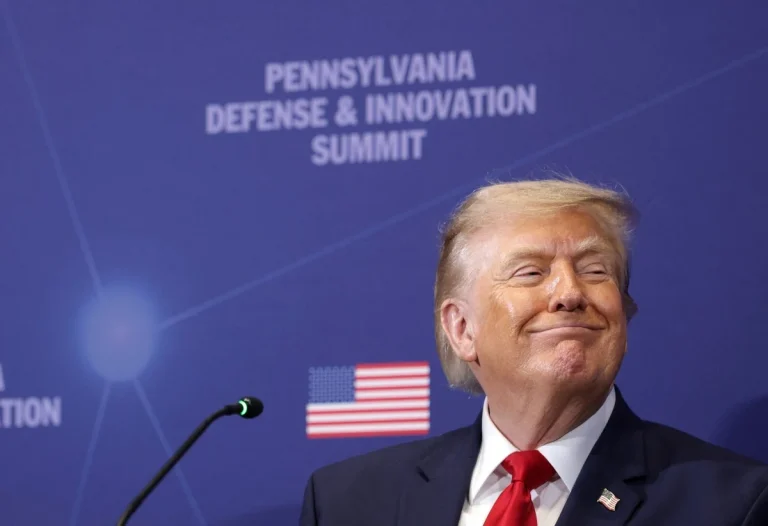
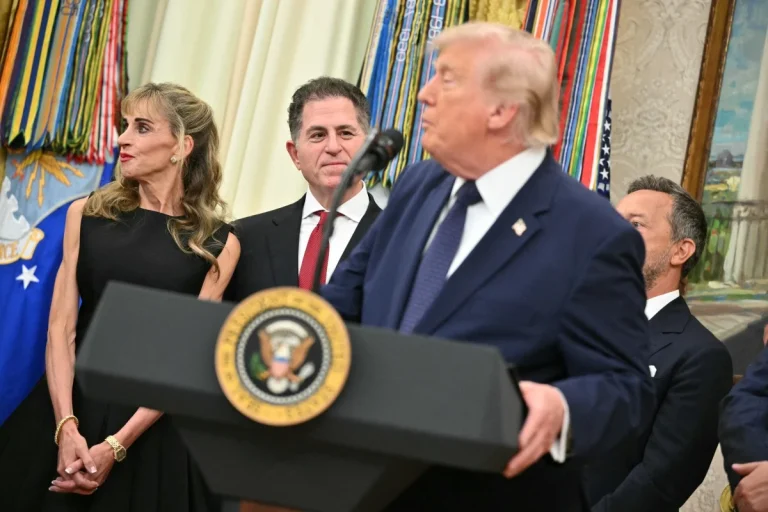
President Donald Trump has acknowledged receiving the proposal, saying he was reviewing it but expressing doubt about reaching an agreement with Tehran.
His comments followed earlier frustration over a separate offer reportedly transmitted through Pakistan, which has acted as a mediator between the two sides.
According to Iranian media outlet Tasnim News Agency, the 14-point plan was developed in response to a nine-point proposal previously put forward by the United States.
The exchange highlights ongoing efforts, via intermediaries, to narrow deep disagreements despite continued hostilities.
Diplomatic momentum remains fragile. Although a ceasefire reportedly began on April 8, both Washington and Tehran have struggled to translate it into a durable peace settlement.
Iran has pushed for a comprehensive and permanent end to the conflict, while the US position, as stated by Trump, has focused on preconditions including an end to what it describes as Iranian obstruction of the Strait of Hormuz and restrictions on uranium enrichment activities.
Tensions in the region escalated after Iran restricted access through the Strait of Hormuz in response to joint US and Israeli strikes on February 28.
Tehran has also accused Washington of maintaining pressure on Iranian maritime routes, which it characterises as a continued blockade, despite the ceasefire agreement.
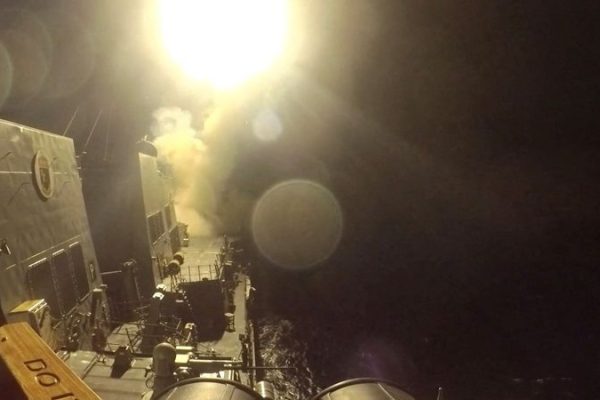
Meanwhile, both sides have continued to accuse each other of maritime aggression, including intercepting, capturing, and targeting vessels in and around the Strait of Hormuz.
These incidents have fuelled concerns that a broader naval confrontation is still ongoing beneath the surface of the declared ceasefire.