The Independent National Electoral Commission has proposed a budget of N873.78bn for the conduct of the 2027 general elections and an additional N171bn to fund its operations in the 2026 fiscal year.
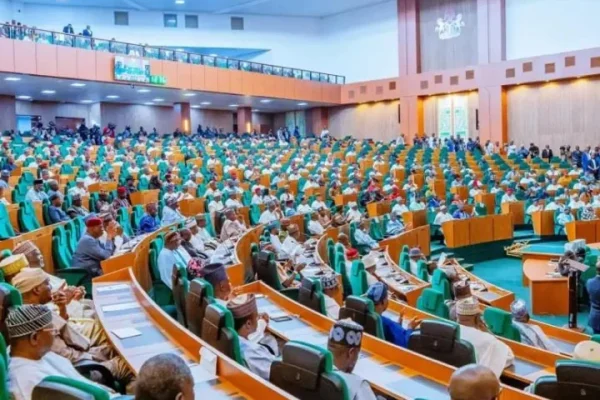
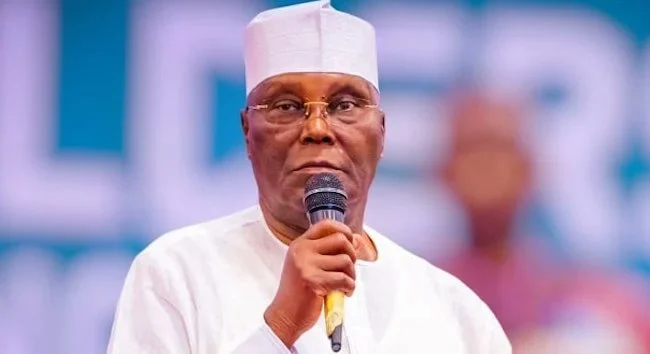
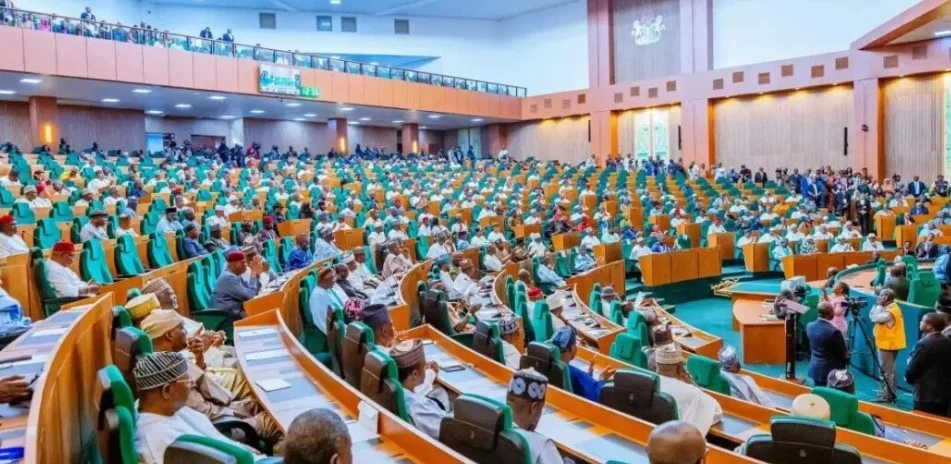
INEC Chairman, Prof. Joash Amupitan, disclosed this on Thursday while presenting the commission’s 2026 budget estimates and the projected cost of the 2027 polls to the National Assembly Joint Committee on Electoral Matters in Abuja.
Amupitan explained that the N873.78bn proposal is intended to cover the full cost of organising the nationwide elections in 2027.
He added that the N171bn earmarked for 2026 would cater to routine activities, including bye-elections and off-cycle governorship polls.
Providing a breakdown of the 2027 election budget, the INEC chairman said, “N379.75bn is allocated for operational expenses, N92.32bn for administrative costs, N209.21bn for technology, N154.91bn for capital items, and N42.61bn for miscellaneous expenditures.”
He noted that the budget was prepared in compliance with Section 3(3) of the Electoral Act 2022, which mandates the commission to submit its election budget at least one year before a general election.
On the 2026 proposal, Amupitan said the Ministry of Finance had issued a N140bn budget envelope to the commission but stressed that INEC’s actual requirement stands at N171bn.
“The envelope system does not adequately reflect the realities of our operations, which often demand urgent and flexible funding,” he said.
The proposed 2026 expenditure includes N109bn for personnel costs, N18.7bn for overheads, N42.63bn for election-related activities, and N1.4bn for capital projects.
Amupitan also highlighted the absence of a dedicated communications network as a key operational challenge. According to him, establishing an independent network would improve efficiency and enhance public accountability in the event of technical failures.
Reacting to the presentation, Senator Adams Oshiomhole (APC, Edo North) argued that external agencies should not impose a rigid budgeting framework on the electoral body.
“Given the sensitive nature of INEC’s mandate, the envelope budgeting system should be reconsidered,” he said.
Similarly, a member of the House of Representatives, Billy Osawaru, called for INEC’s funding to be placed on first-line charge in line with constitutional provisions.
He urged that funds be released promptly and in full to enable early planning for the 2027 elections.
The joint committee subsequently adopted a motion recommending a one-time release of INEC’s annual budget to prevent funding delays.
Lawmakers also indicated they would review a request by the National Youth Service Corps seeking about N32bn to raise allowances for corps members engaged as ad hoc election staff to N125,000.
Chairman of the Senate Committee on INEC, Senator Simon Along, assured the commission of legislative backing, saying the National Assembly would provide the necessary support to ensure a credible 2027 general election.
In the House, Committee Chairman Bayo Balogun urged the commission to exercise caution in making public assurances it may not be able to fulfil. Recalling the 2023 elections, he noted that expectations surrounding the uploading of results to the INEC Result Viewing portal created controversy.
“Be mindful of the commitments you make to Nigerians,” Balogun warned.
The proposed N873.78bn budget for the 2027 elections represents a significant increase compared to the N313.4bn released for the 2023 general elections.