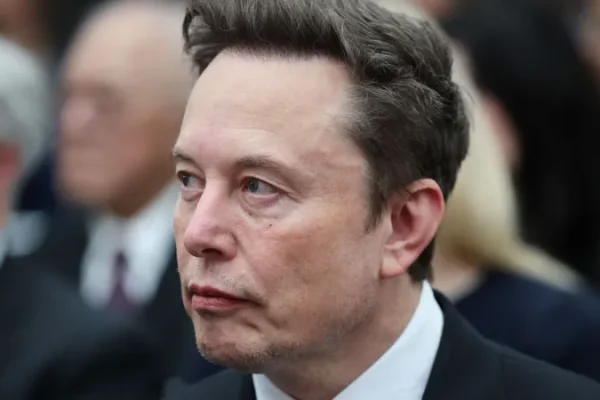
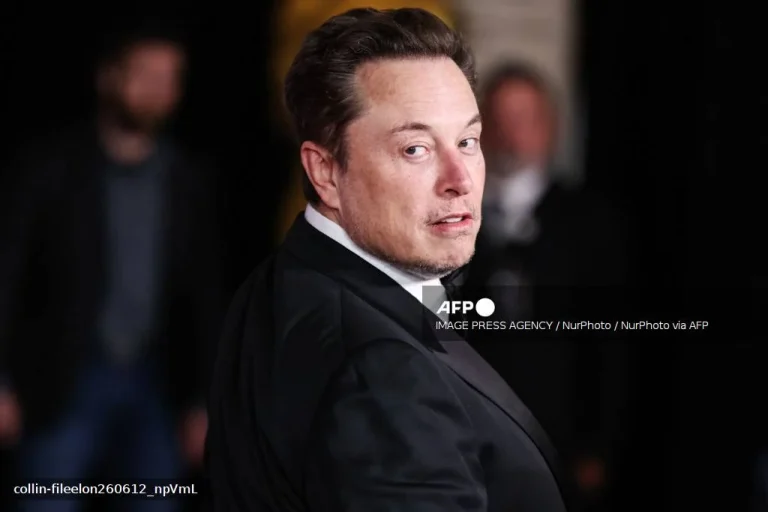
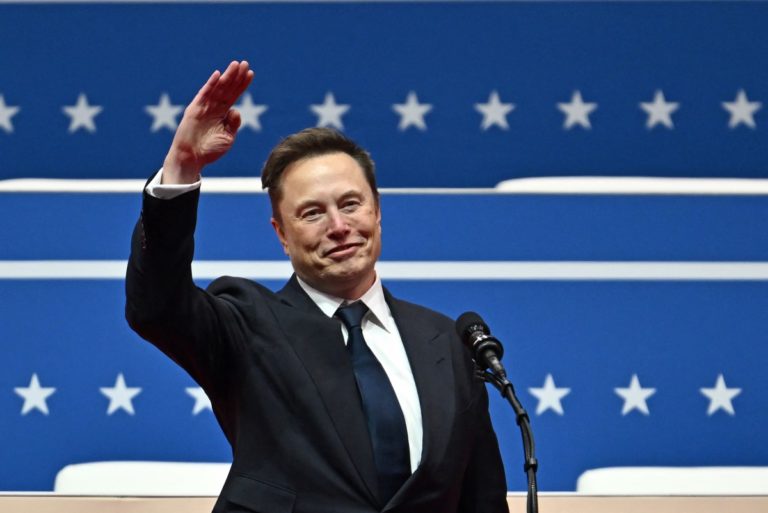
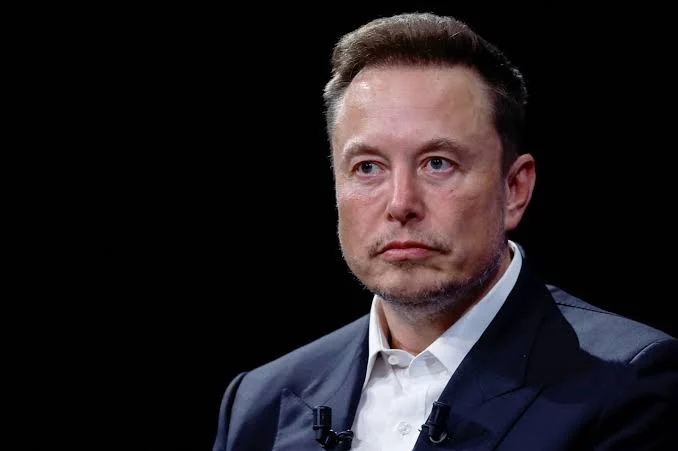
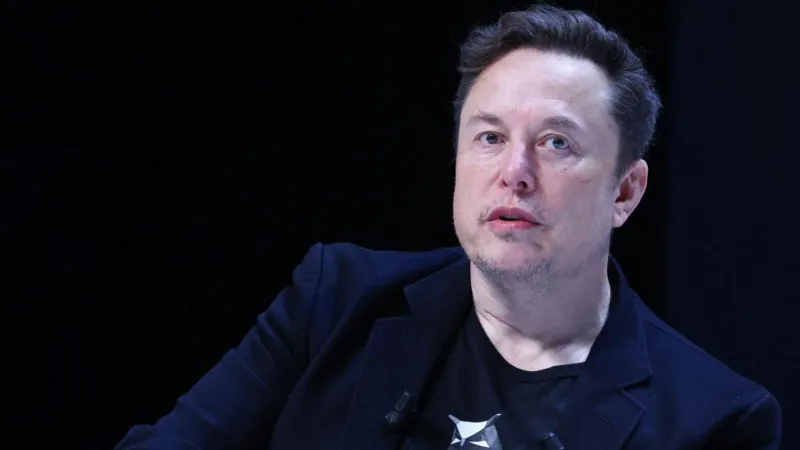
Elon Musk lost case against OpenAI and its leadership after a jury in Oakland, California, the United States, found on Monday that his lawsuit was filed too late under the statute of limitations.
The jury reached its advisory verdict after about 90 minutes of deliberation, and Judge Yvonne Gonzalez Rogers later said she agreed with the finding, effectively adopting it as the court’s position.
“The court now confirms the prior indication that it would accept the jury’s findings as its own,” Rogers said.
“I think that there’s a substantial amount of evidence to support the jury’s finding, which is why I was prepared to dismiss on the spot,” she added in court on Monday.
Musk, who co-founded and initially funded OpenAI with about $38 million in its early years, brought the suit in February 2024 against CEO Sam Altman, company president Greg Brockman, and OpenAI itself. He accused them of “stealing a charity” and benefiting unfairly from a shift toward a for-profit structure.
“I was a fool,” Musk told the court earlier this month. “I gave them free funding to create a startup.”
The case posed a major legal threat to OpenAI as it continues preparations for a potential blockbuster IPO.
The ruling is seen as a significant win for Altman, Brockman, and the company’s current structure.
OpenAI’s lawyers maintained throughout the trial that its mission had not changed and that it remains overseen by a nonprofit foundation board.
They also argued Musk only filed the case after launching his rival AI company, xAI, and that he had long been aware of the organizational changes being challenged.
“The finding of the jury confirms that what this lawsuit was was a hypocritical attempt to sabotage a competitor,” William Savitt, OpenAI’s attorney, said on Monday after the verdict. “The fact is that OpenAI is a not-for-profit, mission-driven organization that has been and will continue to be faithful to that mission.”
Defense lawyers further argued that Musk’s early donations did not include conditions requiring OpenAI to remain a nonprofit, and that he had at times pushed for the creation of a for-profit arm to compete with Google. They also said he attempted to gain control of the structure before eventually departing.
Musk sought remedies including more than $130 billion in repayment to OpenAI’s nonprofit arm, removal of Altman and Brockman from leadership, and reversal of OpenAI’s restructuring into a highly valuable hybrid entity.
The trial featured testimony from high-profile figures, including OpenAI co-founder Ilya Sutskever and Musk associate Shivon Zilis, a former OpenAI board member and mother of four of Musk’s children.
Evidence presented included extensive private communications, internal documents, and emails.
These also referenced discussions involving Meta CEO Mark Zuckerberg about a potential joint bid for OpenAI, along with fundraising ideas such as cryptocurrency.
The proceedings also revisited Musk’s departure from OpenAI in 2018 and his later creation of xAI in 2023, framing the dispute as part of an intensifying AI industry rivalry.
A Microsoft spokesperson, referring to the company’s role as an investor and co-defendant, said, “The facts and the timeline in this case have long been clear, and we welcome the jury’s decision to dismiss these claims as untimely.”
Musk criticized the ruling on his platform X, calling Judge Rogers a “terrible activist” judge and warning of broader consequences.
“She just handed out a free license to loot charities if you can keep the looting quiet for a few years!” he wrote on Monday after the jury’s decision.
His lead attorney, Marc Toberoff, said they will challenge the outcome.
“This at its core is a travesty, and but for Musk, they get away with it and they shouldn’t,” Toberoff said.