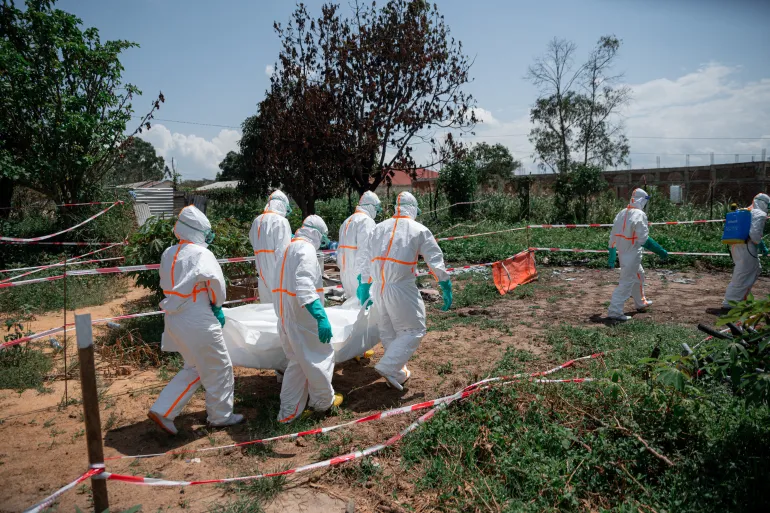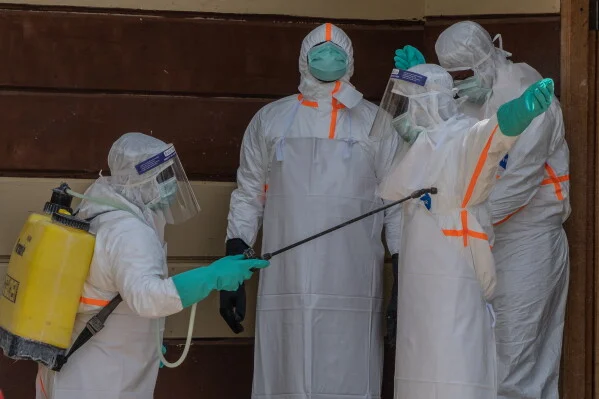
More than 2,000 people have died from an Ebola outbreak in the Democratic Republic of Congo, bringing the country closer to recording its deadliest outbreak of the disease.
The latest outbreak, which was officially declared on May 15, has affected conflict-hit areas in eastern and northeastern DRC.
Health authorities believe the virus had been circulating for several weeks before the outbreak was announced.
It is the 17th Ebola outbreak recorded in the country and has already been described as the largest in the DRC’s history, with the potential to become the biggest outbreak ever recorded globally.
According to figures released by Congolese health authorities on Tuesday, 2,011 people have died from 4,381 confirmed infections, putting the fatality rate at 45.9 per cent.
The death toll is approaching that of the country’s worst Ebola outbreak, which occurred between 2018 and 2020 and claimed nearly 2,300 lives from about 3,500 recorded cases.
The current outbreak was first detected in Ituri province in the northeast before spreading to other areas, including North Kivu, where insecurity, limited health infrastructure and weak state presence have complicated efforts to contain the disease.
Health Minister Samuel Roger Kamba warned that the outbreak had yet to reach its peak.
“We haven’t reached the peak yet,” Kamba said in an interview shared on X by his ministry on Tuesday.
“Within the next three months, we expect to have already brought the spread under control and to start seeing it decline,” he added.
Response hampered by insecurity
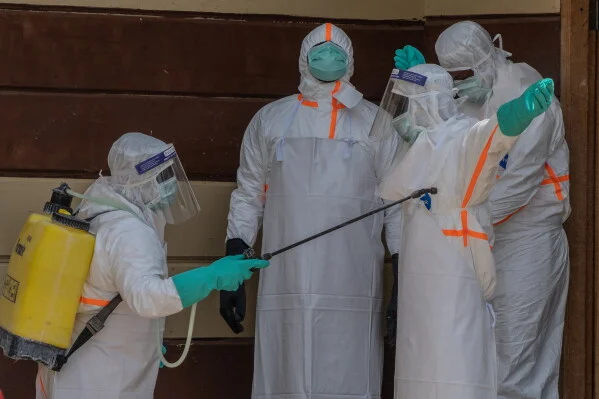
The response to the outbreak has been slowed by armed-group activity and distrust among residents in affected communities, according to health officials.
The World Health Organisation’s regional director for Africa, Mohamed Yakub Janabi, said many infections were going undetected because a large proportion of victims were dying at home.
“We are only seeing 30 percent (of infected people), where 70 percent of people are dying at home. This is why this Ebola is different,” Janabi told reporters in Bunia, the capital of Ituri province, on Monday.
Congolese virologist Jean-Jacques Muyembe, one of the scientists involved in the discovery of Ebola in 1976, also criticised the response to the outbreak.
In an interview with Le Monde newspaper published Tuesday, Muyembe described the response as “slow and ineffective”.
“There is an internal problem at the level of the national coordination of the response,” he said.
“Everyone wanted to show they were doing something, even though nothing had actually been organised,” he added.
Vaccine trial planned
Meanwhile, WHO vaccine experts have recommended a large-scale human trial of Ervebo, the only approved Ebola vaccine, to determine whether it can provide protection against the Bundibugyo strain responsible for the current outbreak.
Ervebo has previously been shown to be safe and effective against the more common Zaire strain of Ebola.
However, there is currently no specific vaccine for the Bundibugyo strain.
The WHO said preliminary evidence, including findings from animal studies, suggests Ervebo could provide some protection against the strain.
The Gavi vaccine alliance has about 500,000 doses of Ervebo in stock, with some of the doses already in the DRC and others expected to be used for the planned trials.
Two vaccines targeting the Bundibugyo strain are currently undergoing early-stage human trials, while another candidate is being developed for clinical testing.
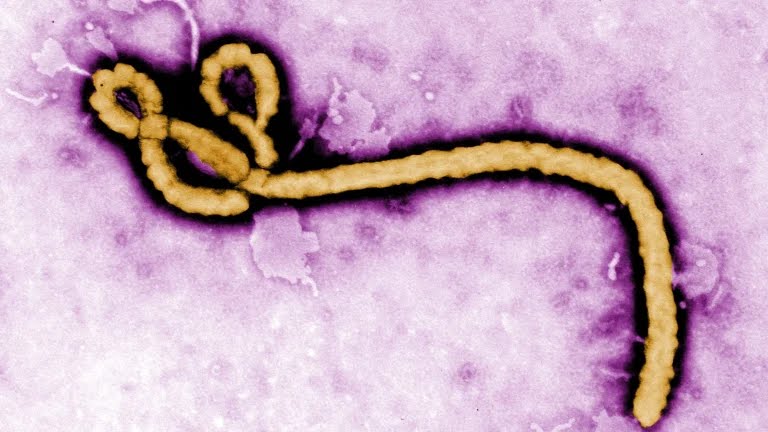
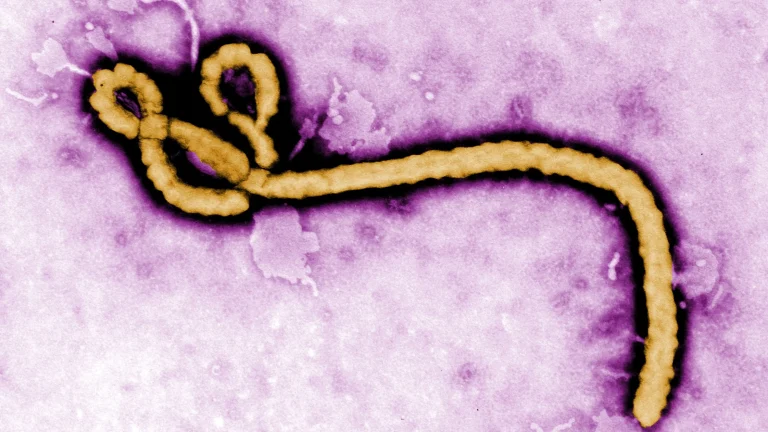
Ebola is a highly infectious viral disease transmitted through contact with infected bodily fluids and can cause severe haemorrhagic fever.
The disease has killed more than 15,000 people across Africa over the past five decades.