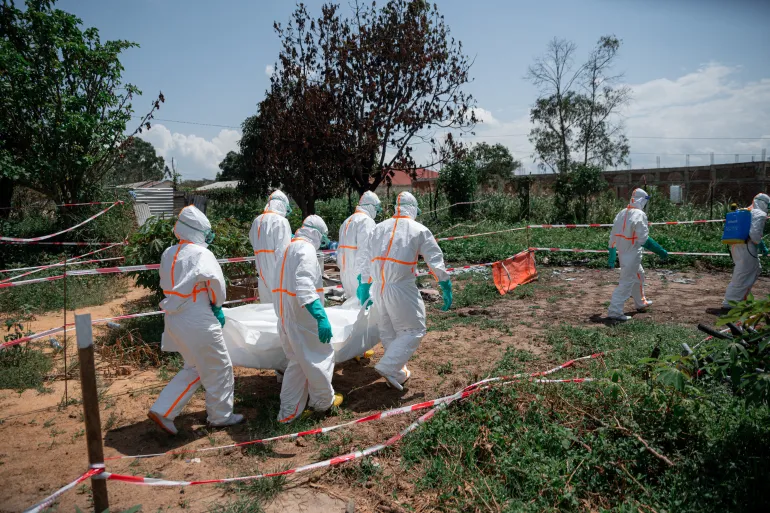
The Ebola outbreak in the Democratic Republic of Congo has become the deadliest in the country’s history, with 2,325 people now reported dead, according to government figures released on Sunday.
The latest data from the country’s public health institute showed that confirmed infections had climbed to 4,945, following 101 additional cases recorded within 24 hours.
The current outbreak, the 17th Ebola outbreak in DR Congo, had already become the country’s largest in terms of confirmed cases in late July.
It has now exceeded the 2,299 deaths recorded during the 2018–2020 outbreak, which previously held the record for the country’s deadliest Ebola epidemic.
The scale of the outbreak is second only to the Ebola epidemic that swept through Guinea, Liberia and Sierra Leone between 2014 and 2016.
That West African outbreak recorded 28,616 cases and 11,310 deaths, according to the World Health Organization.
The rapid rise in fatalities has also raised concerns about delays in detecting infections and providing medical care.
While it took almost five months for the West African epidemic to reach 1,000 deaths, the current outbreak in DR Congo surpassed 2,000 fatalities in less than three months.
No approved treatment available
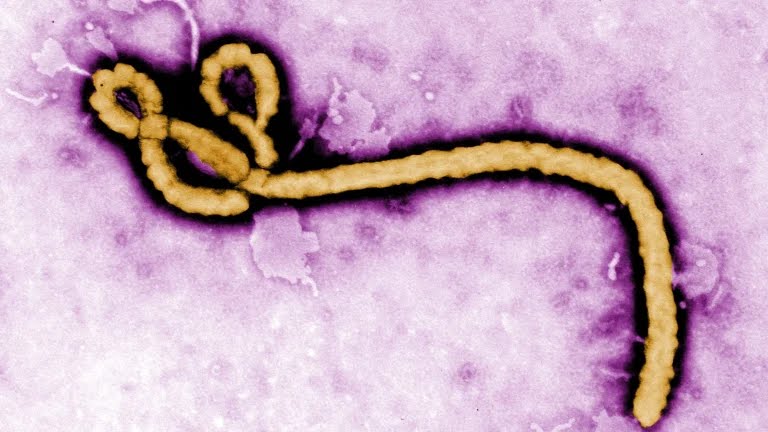
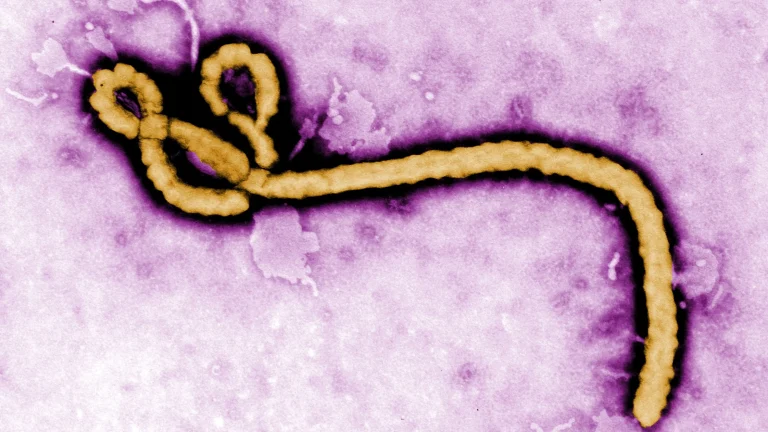
The outbreak is being driven by the Bundibugyo species of Ebola, for which there are currently no approved vaccines or treatments.
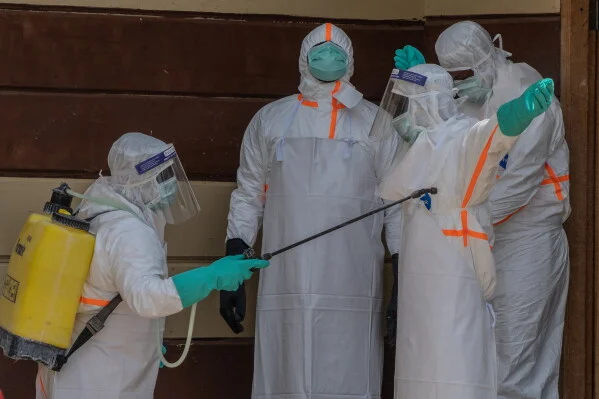
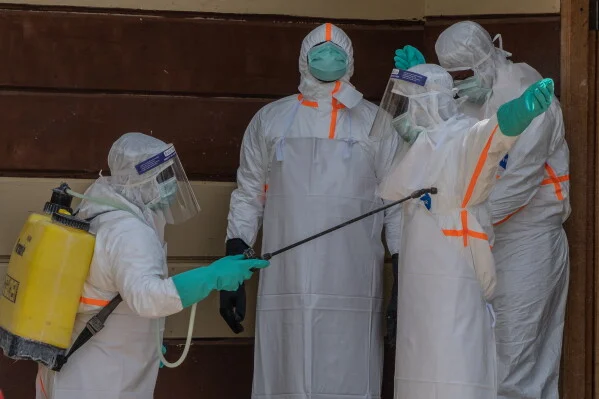
Since the outbreak was officially declared on May 15, efforts to contain the virus have been complicated by fragile healthcare infrastructure, resistance within some communities and insecurity, which have made identifying and responding to cases more difficult.
Government figures indicate that the case fatality ratio has increased sharply, rising from roughly 20 per cent in early June to 46 per cent.
This means almost half of confirmed patients have died.
Health experts, however, said the increase does not necessarily mean the virus has become more deadly.
Instead, they linked the high fatality rate to weaknesses in surveillance, delayed diagnosis and limited access to healthcare.
“Normally, as an outbreak progresses, the case fatality ratio should fall as contact tracing improves and patients are identified and treated earlier,” said Thomas Parisch, a public health specialist recently deployed to Democratic Republic of Congo with Médecins Sans Frontières, or Doctors Without Borders.
“Instead, we’re still seeing many cases detected very late, when treatment is less likely to succeed, with many identified only after they die in the community.”
Researchers are testing a limited number of experimental vaccines and therapies, while international health agencies are also examining whether existing Ebola treatments could prove effective. So far, available evidence remains limited to animal studies.
The outbreak also crossed into neighbouring Uganda earlier, but health authorities succeeded in containing its spread.
Uganda recorded 20 confirmed cases and two deaths before declaring the outbreak over last month.
Ebola is transmitted through direct contact with bodily fluids from infected people, whether alive or deceased.
Symptoms can include fever, vomiting and diarrhoea, while severe infections may result in internal and external bleeding.