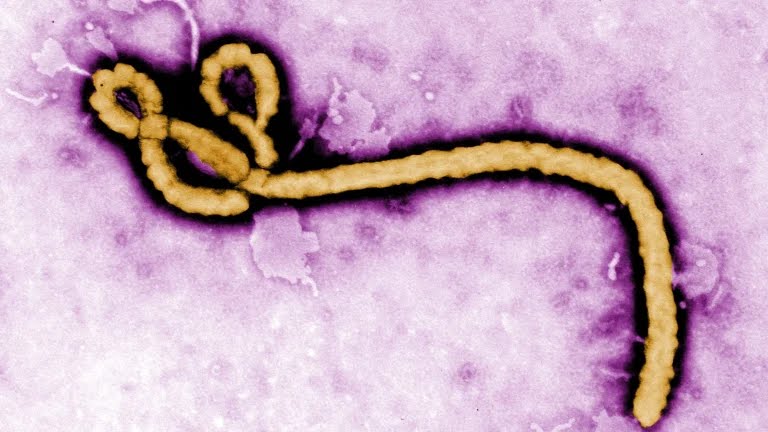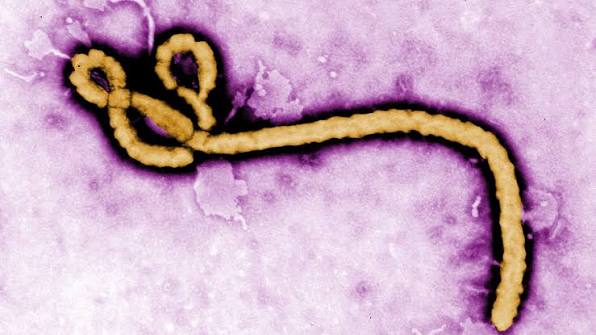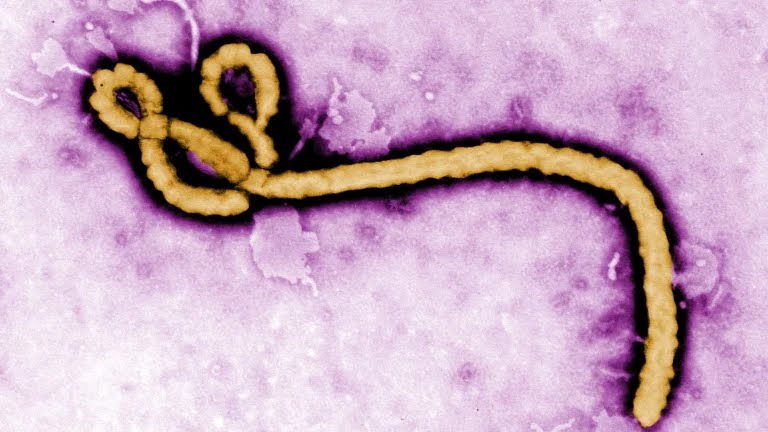
The International Federation of Red Cross and Red Crescent Societies (IFRC) has warned that the Ebola outbreak in the Democratic Republic of Congo (DRC) has not yet reached its peak and could take as long as one year to be fully contained.
The outbreak, which was declared on May 15, has recorded 808 confirmed cases and 192 deaths, according to the World Health Organisation. It is largely concentrated in Ituri Province in the northeast, with additional infections reported in North Kivu and South Kivu, as well as neighbouring Uganda, where authorities have confirmed 19 cases and two deaths.
IFRC’s Operations Manager for Ebola response, Bruno Michon, speaking from Bunia—the outbreak’s epicentre—said the situation remains critical and far from under control.
“What I can see is that we did not reach the peak of the epidemic,” Michon said during a video briefing with journalists in Geneva.
He noted that weak testing capacity in affected areas is limiting the ability of health responders to fully assess the spread of the virus.
“It’s very difficult to know exactly to what extent the epidemic is spreading,” he said.
Michon warned that the worst phase of the outbreak may still lie ahead, adding that efforts to contain it could extend far longer than anticipated.
“The peak is, I think, not beyond us, but in front of us,” he said. “We are afraid that this could last one year before ending the outbreak.”
Health experts have raised additional concern that the current Ebola strain in circulation—Bundibugyo—has no approved vaccine or specific treatment, making containment more challenging.
Michon stressed that medical response alone would not be sufficient to stop the outbreak, calling for stronger community engagement and trust-building.
“To stop this outbreak, we need to invest not only in medical response, but also in trust, local volunteers, community engagement and operational access,” he said.
He also highlighted growing risks faced by humanitarian workers, including attacks and intimidation in affected communities.
“In recent days, Red Cross volunteers have faced verbal abuse, threats and even physical attacks while carrying out their work,” Michon said.
According to him, public cooperation remains essential for contact tracing, safe burial practices, and early detection of new cases.
“Trust is not a secondary activity in an Ebola response. Trust is central,” he said.
“Without trust, we cannot detect cases early. We cannot ensure safe burials. We cannot protect families. And we cannot stop transmission.”
The IFRC and other humanitarian organisations say they are scaling up response efforts as health authorities continue attempts to contain the spread of the virus across Central Africa.