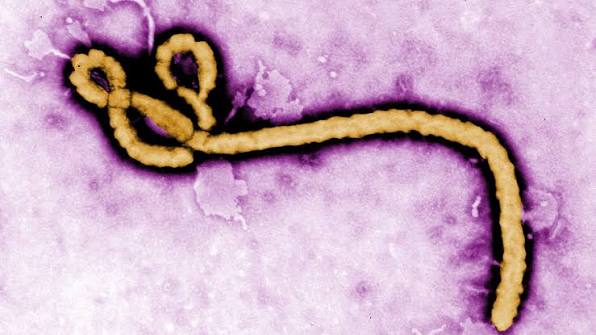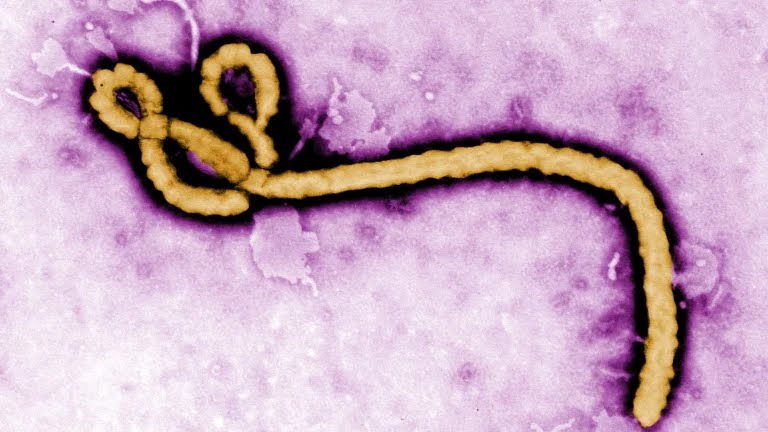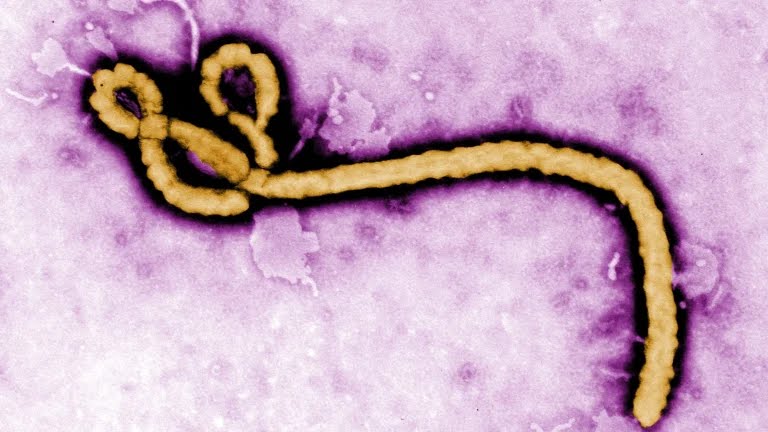
The World Health Organisation has launched a clinical trial in the Democratic Republic of Congo (DR Congo) to determine whether existing and experimental vaccines can protect against the Bundibugyo strain of the Ebola virus.
The trial began in Bunia, the capital of Ituri province in the country’s northeast, following the vaccination of its first participants.
WHO Director-General, Tedros Ghebreyesus, announced the development on Friday through a post on his official X account, describing the initiative as a potential step towards controlling the outbreak.
“Science gives us hope. Today, in Bunia, DRC, the first participants were vaccinated in a new Ebola vaccine trial called Tumaini,” he said.
Tumaini, a Swahili word meaning “hope”, is designed to establish whether available vaccine candidates can provide protection against the Bundibugyo strain, for which no vaccine has been approved.
The first candidate being assessed is Ervebo, a vaccine licensed for preventing Ebola disease caused by the Zaire strain. Researchers will investigate whether it can also protect against the Bundibugyo variant responsible for the current outbreak.
Two other vaccine candidates, developed by Moderna and the University of Oxford in partnership with the Serum Institute of India, are expected to be included in the study.
The research will assess the safety of the vaccines, their ability to trigger an immune response and their effectiveness against the virus.
It will also adopt a ring vaccination strategy, which involves vaccinating people who have been in contact with confirmed cases, alongside others considered to be at high risk of infection.
Tedros said the WHO was supporting the Congolese-led initiative in the search for effective ways to contain the disease and save lives.
“WHO is supporting this DRC-led effort to find answers and save lives,” he stated
Figures released by organisations supporting the trial indicated that DR Congo had recorded 9,552 Ebola cases and 4,602 deaths as of October 21, 2026.
The outbreak, declared on May 15, 2026, led the WHO to classify the situation as a Public Health Emergency of International Concern.
The trial is being conducted under the leadership of Congolese health authorities and research institutions, with technical and operational support from the WHO and other international partners.
However, the commencement of the study does not establish that any of the vaccine candidates is effective against the Bundibugyo strain. Researchers will need to analyse the trial results before drawing conclusions about their protective benefits.