Iran on Tuesday warned the United States to either accept the terms outlined in Tehran’s 14-point peace proposal for the Middle East conflict or risk continued diplomatic failure.
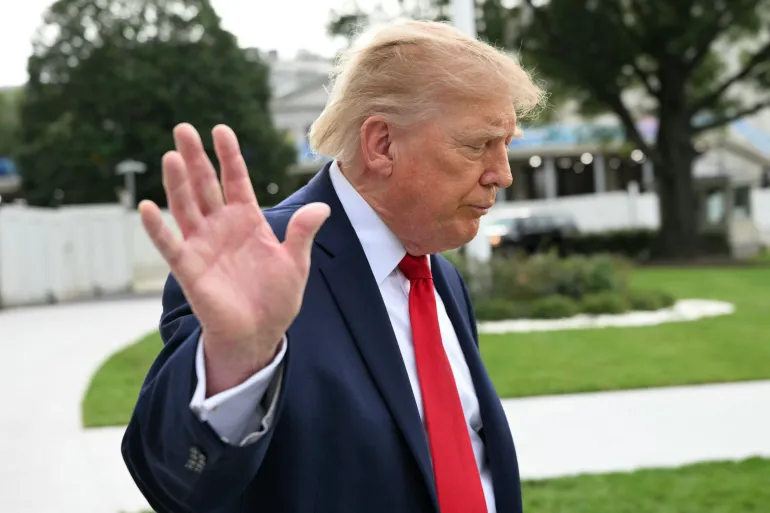
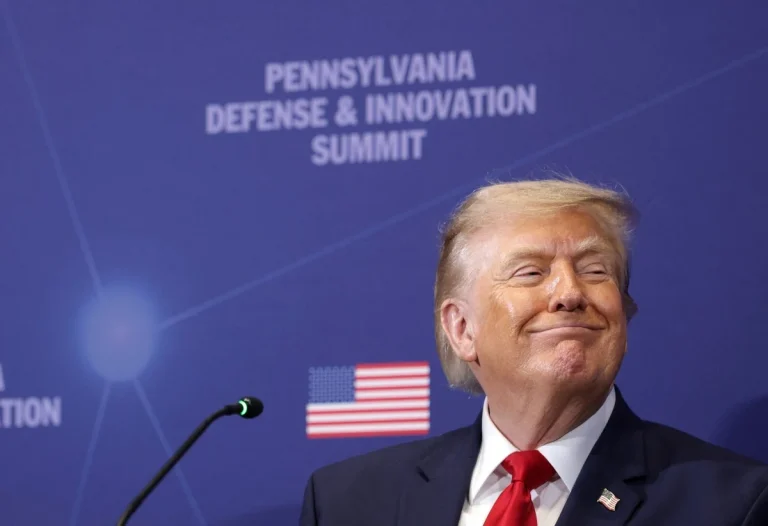
The warning came after US President Donald Trump dismissed Iran’s latest counterproposal and described the ceasefire that has held since April 8 as being on “life support”.
Iran’s lead negotiator, Mohammad Bagher Ghalibaf, said Washington must recognise Tehran’s demands if it genuinely seeks an end to the conflict, which has stretched beyond two months with negotiations still stalled following an inconclusive first round of talks last month.
“There is no alternative but to accept the rights of the Iranian people as laid out in the 14-point proposal. Any other approach will be completely inconclusive; nothing but one failure after another,” said Ghalibaf in a post on X.
“The longer they drag their feet, the more American taxpayers will pay for it.”
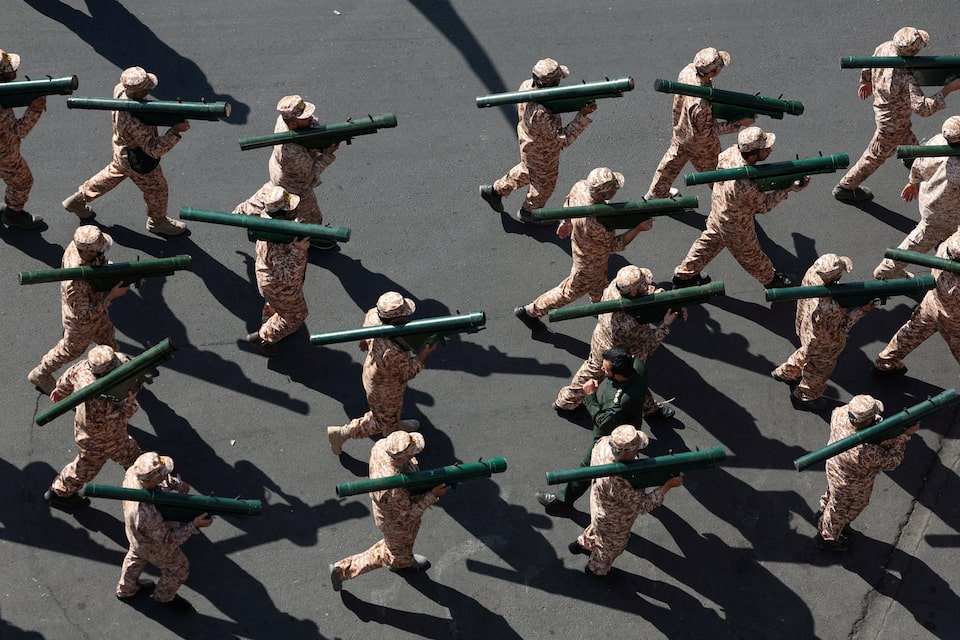
Tehran has maintained a hardline position throughout the conflict, with senior military officials warning that Iran is prepared to retaliate if the US launches fresh attacks.
Iran has also disrupted shipping through the Strait of Hormuz, a critical global trade corridor, heightening concerns in international markets while the US continues its naval blockade of Iranian ports.
Although details of Washington’s latest proposal remain unclear, reports indicate it centres on a brief memorandum of understanding designed to halt hostilities and create a pathway for negotiations over Iran’s nuclear programme.
Iran’s foreign ministry said its response demanded an end to military operations across all fronts, including Lebanon, the lifting of the US naval blockade and the release of Iranian assets frozen overseas under sanctions.
However, Tehran did not specify what concessions it was prepared to make in return.
Meanwhile, Iran’s parliamentary national security commission signalled that lawmakers could revisit the issue of weapons-grade uranium enrichment should hostilities resume.
“One of Iran’s options in the event of another attack could be 90 percent enrichment. We will examine it in parliament,” commission spokesman Ebrahim Rezaei wrote in a post on X.
Iran currently holds a substantial stockpile of uranium enriched to 60 percent purity, while about 90 percent enrichment is typically required for nuclear weapons capability.
The issue of Tehran’s enriched uranium reserves remains one of the biggest obstacles in talks with Washington, which has repeatedly insisted that the stockpile be removed from Iran.
Iran, however, has refused to transfer the material abroad, insisting it has the right to pursue peaceful nuclear energy, although officials have indicated the level of enrichment could still be open to negotiation.