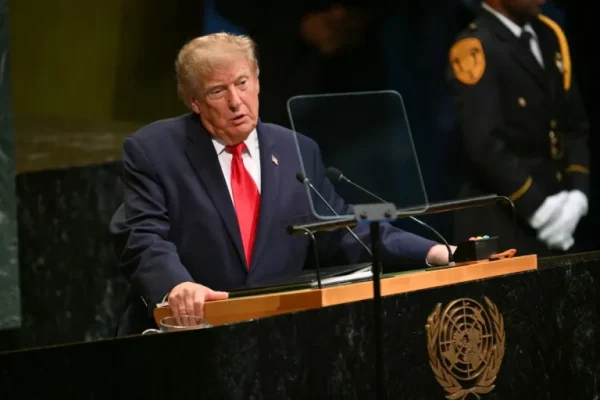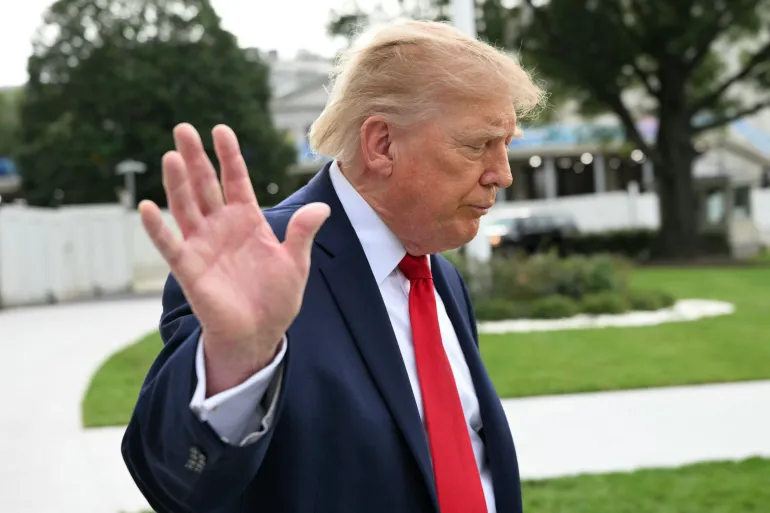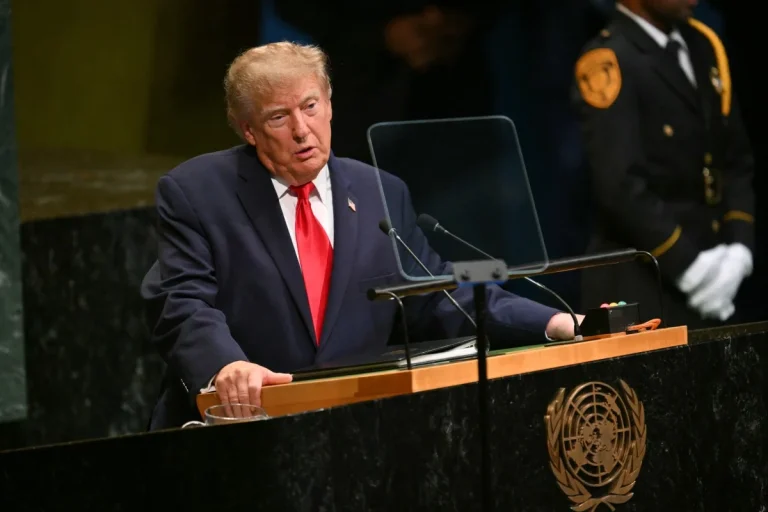
United States President, Donald Trump, has said he will suspend plans for fresh military strikes against Iran for the time being, following appeals from several Middle Eastern countries, including Qatar and Saudi Arabia, for restraint amid the ongoing conflict.
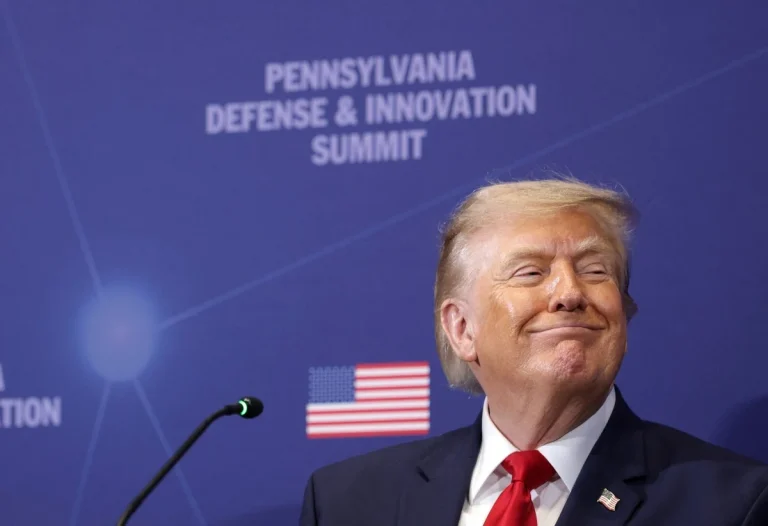
Trump made the announcement on Monday after meeting Qatari Prime Minister Sheikh Mohammed bin Abdulrahman Al-Thani at the White House.
He said the United States would maintain its naval blockade of the Strait of Hormuz despite the decision to hold off on further attacks.
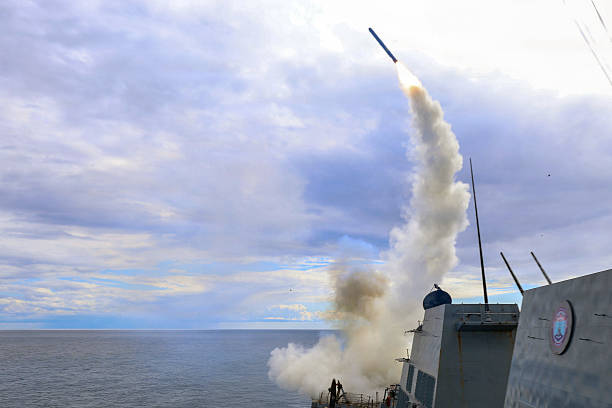
“The United States of America is fully locked and loaded with the best equipment ever made, and we don’t think there’s going to be any reason to use it,” Trump told reporters.
The US president said Qatar, Saudi Arabia, the United Arab Emirates, Bahrain, Kuwait and other neighbouring countries had urged Washington against launching new attacks on Iran.
The diplomatic efforts come as pressure mounts on the administration to end the war, which began on February 28 with joint US and Israeli strikes.
Al-Thani, who also serves as Qatar’s foreign minister, visited Tehran last week before travelling to Washington for discussions with Trump.
He described his engagements with the US president and Vice President JD Vance as positive, expressing optimism about efforts to end the conflict.
“Grateful for the positive discussions on reaching a deal and bringing peace to the region,” he said on X.
However, prospects for an immediate diplomatic breakthrough remain uncertain, with US Secretary of State Marco Rubio rejecting Iran’s proposed conditions for ending the war.
Rubio described Tehran’s demands as “outrageous and ridiculous and really not realistic.”
Iran’s proposal includes an end to the US blockade of its ports, the lifting of some sanctions and a halt to bombing in exchange for Tehran ending its blockade of the Strait of Hormuz.
Negotiations on its nuclear programme and additional sanctions would be addressed at a later stage.
Iranian Foreign Ministry spokesperson Esmaeil Baghaei defended the proposal, describing it as the most reasonable offer available. Meanwhile, Iranian security council chief Mohsen Rezaei accused Washington of spreading misinformation about negotiations, saying it was “time to surrender to the seven conditions Iran has repeatedly set out.”
Despite Trump’s decision to delay further military action, hostilities have continued.
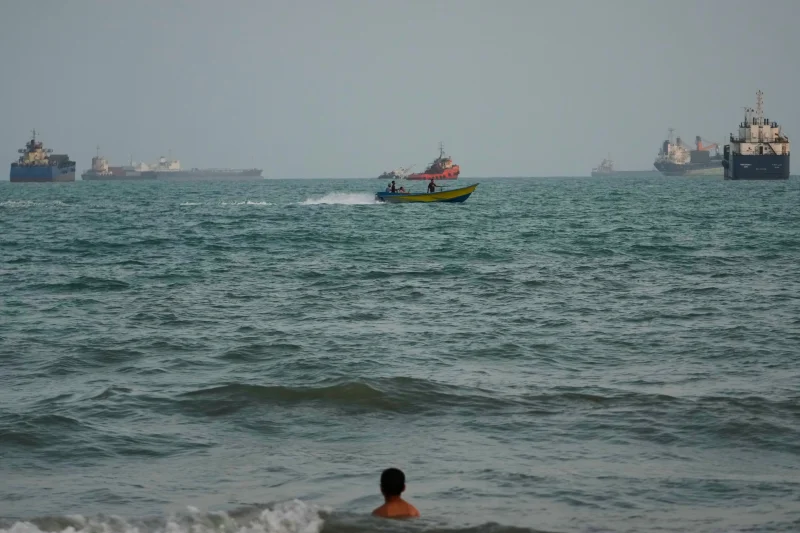
Iranian state media reported that the US struck Qeshm Island overnight on Sunday, while Iran has reportedly attacked tankers in the Gulf and the Strait of Hormuz.
Iranian state television also claimed that 11 tankers had been “disabled” over the past 10 days.
A senior United Arab Emirates official, Anwar Gargash, warned that a comprehensive political settlement between Washington and Tehran remained difficult to achieve, cautioning that the region could face prolonged uncertainty.
Turkish President Recep Tayyip Erdogan also said he had urged Trump to avoid further escalation, stressing that the conflict could be resolved through dialogue and diplomatic engagement.