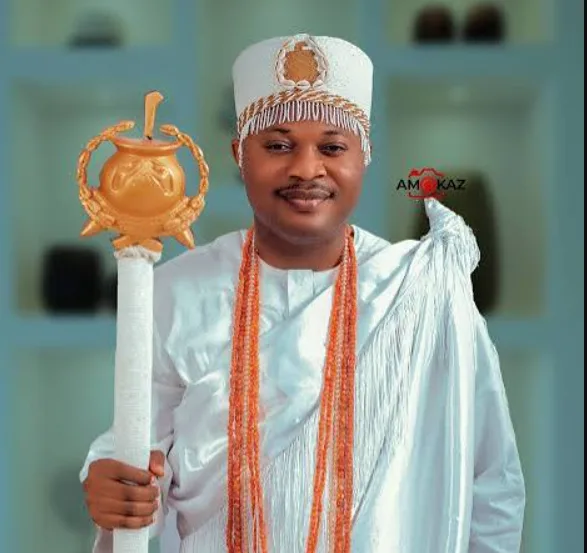
The Oba of Ado and Olofin Adimula Oodua of Aworiland, Oba Olusola Lamidi-Osolo, has called for a formal cultural partnership between Nigeria and Brazil to safeguard Yoruba heritage through joint research, diaspora exchanges and the protection of historical sites and indigenous traditions.
The monarch said the longstanding historical connections between the two countries should be translated into concrete initiatives to preserve Yoruba identity among Afro-Brazilian communities and ensure the transmission of cultural knowledge to younger generations.
He made the call during a royal address titled “The Role of Traditional Leadership in Modern Cultural Sustainability and the Safeguarding of Sacred Heritage,” delivered recently at the Universidade Federal Fluminense in Rio de Janeiro, Brazil.
Speaking to academics, researchers, students, traditional rulers and Afro-Brazilian community leaders, Lamidi-Osolo highlighted the enduring Yoruba influence in Brazil, citing the Nago/Anago identity, Candomble religious practices, the veneration of Orisa such as Sango, Osun, Yemoja and Ogun, as well as culinary traditions including Acarajé, known in Yoruba as Akara.
“Africa and Brazil may be separated by the Atlantic Ocean, but the ocean could not extinguish the memory of our ancestors,” he said.
The monarch outlined five key areas of cooperation involving traditional institutions, universities, cultural organisations and young people to strengthen the preservation of shared heritage.
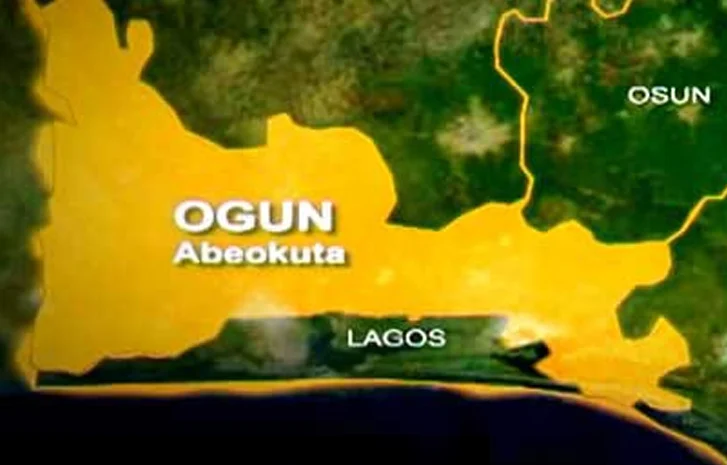
His proposals include cultural exchanges involving traditional rulers, scholars, artists and community leaders, as well as collaborative academic research into Yoruba linguistics, genealogy, oral history and gastronomy. He also advocated diaspora immersion programmes that would enable Afro-descendants in Brazil to visit Ado-Odo in Ogun State and reconnect with their ancestral roots.
Lamidi-Osolo further called for the establishment of digital archives and legal mechanisms to protect sacred sites and indigenous traditions against neglect and commercial exploitation. He also proposed youth mentorship, student exchange programmes and cultural entrepreneurship initiatives.
He said traditional institutions should play a central role in bridging historical memory and contemporary cultural preservation.
The monarch maintained that the responsibilities of traditional rulers extend beyond royal authority and ceremonial duties, describing leadership as a commitment to preserving history and transmitting cultural values.
“A throne is not merely a symbol of authority; it is a sacred trust. A crown is not simply an ornament of royalty; it represents an enduring covenant between the ancestors, the living and generations yet unborn,” he said.
He referenced the traditional governance system of Ado-Odo, which he said dates back to around 1050 AD and originated from Ile-Ife, as an example of institutional participation in traditional leadership.
According to him, the kingdom’s governance structure comprises the Oba-in-Council, Afobaje (Kingmakers) and Itepa Ilu (Town Council), which collectively ensure institutional balance across its four quarters.
The monarch also stressed the connection between cultural preservation and environmental conservation, warning that the destruction of natural surroundings could threaten traditions and spiritual practices associated with sacred locations.
“When we destroy the natural environment of a sacred tradition, we risk destroying part of the tradition itself,” he said.
He identified 16 indigenous shrines, 16 Igbi-Ora drums and sacred natural sites, including Odo Iji, in Ado-Odo as important heritage assets that require coordinated conservation efforts.
On the values expected of traditional leaders, Lamidi-Osolo invoked the Yoruba philosophy of Omoluabi, emphasising integrity, truthfulness, good character and respect for human dignity as essential principles of community leadership.
He concluded by inviting academics, students and members of the Afro-Brazilian community to the forthcoming Oduduwa Awori Festival in Ado-Odo, Ogun State, as part of efforts to strengthen cultural ties and deepen engagement between Nigeria and Brazil.