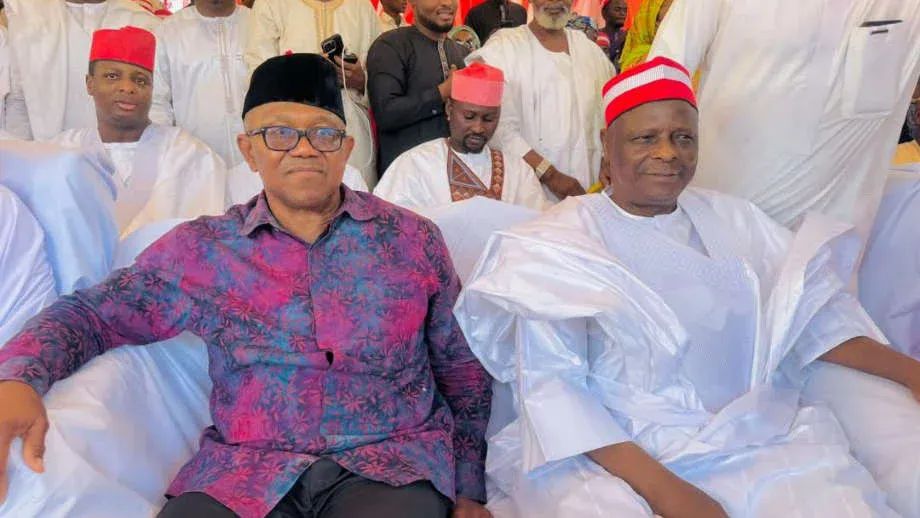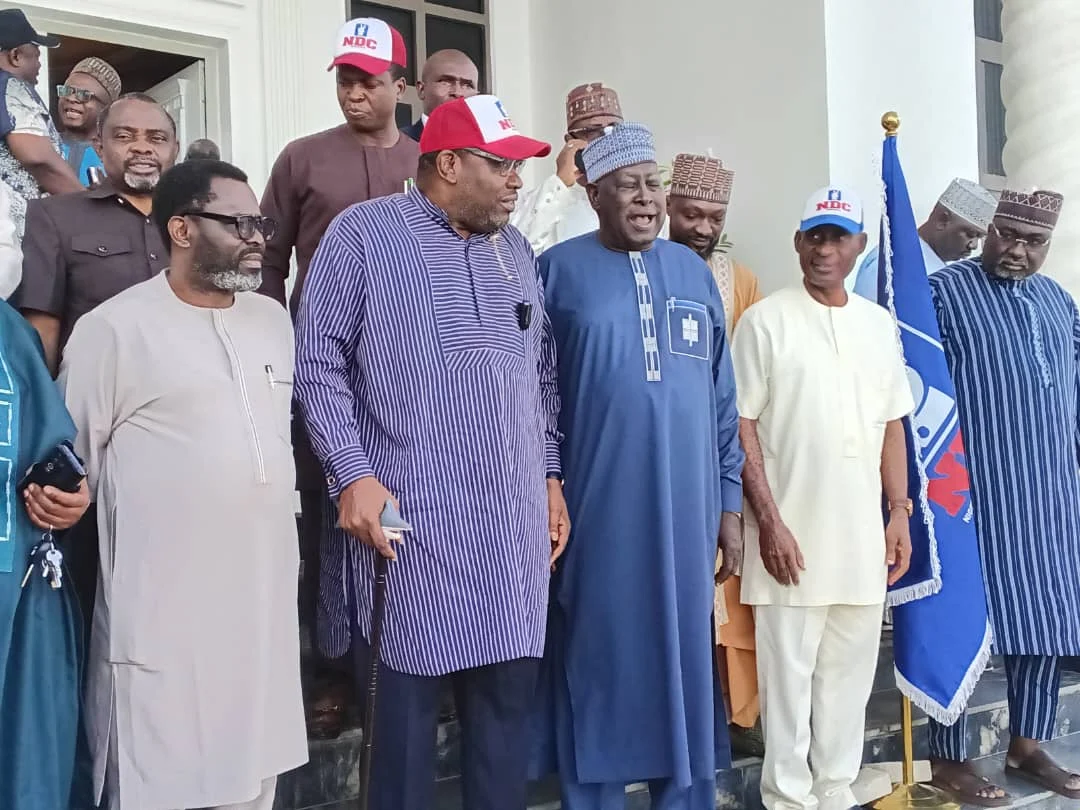
The Obi-Kwankwaso Movement, popularly known as the OK Movement, has rejected any move to merge its structures with those of the Nigeria Democratic Congress ahead of the 2027 general elections.
The movement’s Director-General, John Ughulu, said its national, state, local government and ward structures would remain under its control despite its political cooperation with the NDC.
Ughulu made the position known on Wednesday while responding to comments by the NDC National Leader, Senator Seriake Dickson, concerning the role of support groups in the party’s campaign activities.
Dickson had said support groups should complement political parties rather than establish parallel structures or compete with the parties backing their preferred candidates.
He also criticised the OK Movement’s decision to establish a Presidential Campaign Council for Peter Obi and Rabiu Kwankwaso, describing the move as “unheard of” and “nonsensical.”
But Ughulu argued that the OK Movement was not an appendage of the NDC or any other political organisation.
He said, “The OK Movement is not a support group created as an appendage of any political party or another movement. It is independently organised, managed and structured through its own established movement mechanisms.”
According to him, the movement brings together individuals and members of different political parties who support Obi and Kwankwaso and share their political aspirations.
He added, “So it is not nonsensical as claimed by Seriake Dickson; rather, the national leader of the NDC Party should come to realise that politics has long evolved from the conventional political system he is used to.”
Ughulu maintained that the movement’s cooperation with the NDC did not amount to its surrendering its identity or organisational authority to the party.
“The OK Movement remains an independent organisation. Its existence and internal administration are not subject to the internal management of the NDC,” he said.
He further stated that the movement would not allow its structures to be taken over by the NDC or any other organisation.
“The OK Movement will not be collapsed, merged or subsumed into the NDC or any other organisation. Cooperation and political alignment do not extinguish the independent identity of the Movement,” Ughulu said.
He said the group had the right to establish campaign and mobilisation structures to support Obi and Kwankwaso, arguing that it was not aware of any provision in the NDC constitution expressly prohibiting such an arrangement.
However, Ughulu stressed that the movement was not attempting to challenge the authority of the NDC over its own affairs.
“The OK Movement does not claim supremacy over the NDC Party, nor does it seek to usurp the constitutional powers of the party,” he said.
“We respect the NDC and recognise the constitutional authority of the party over its own internal affairs. Equally, the NDC and every other organisation must recognise the independent identity, structure and legitimate interests of the OK Movement.”
He warned that the movement would use lawful and democratic means to oppose any attempt to take control of its structures.
“We will resist, through lawful and democratic means, any attempt by any individual or group to disenfranchise members of the movement, appropriate its structures, or unilaterally redefine its identity,” Ughulu said.
The dispute followed the OK Movement’s announcement of a 59-member Presidential Campaign Council to mobilise support for Obi and Kwankwaso ahead of the 2027 elections.
The NDC National Chairman, Senator Moses Cleopas, subsequently said the party had not authorised the movement to establish or announce a campaign council on its behalf.
The party also maintained that no candidate, individual or support organisation could create a campaign structure in its name without approval from its National Working Committee.
The OK Movement’s National Secretary, Saadatu Sani, later demanded an apology from Cleopas, insisting that the movement had its own leadership, structure and internal processes.