The National Agency for the Control of AIDS has urged journalists and social media influencers to avoid misinformation, sensationalism and stigmatising content in reporting on HIV prevention.
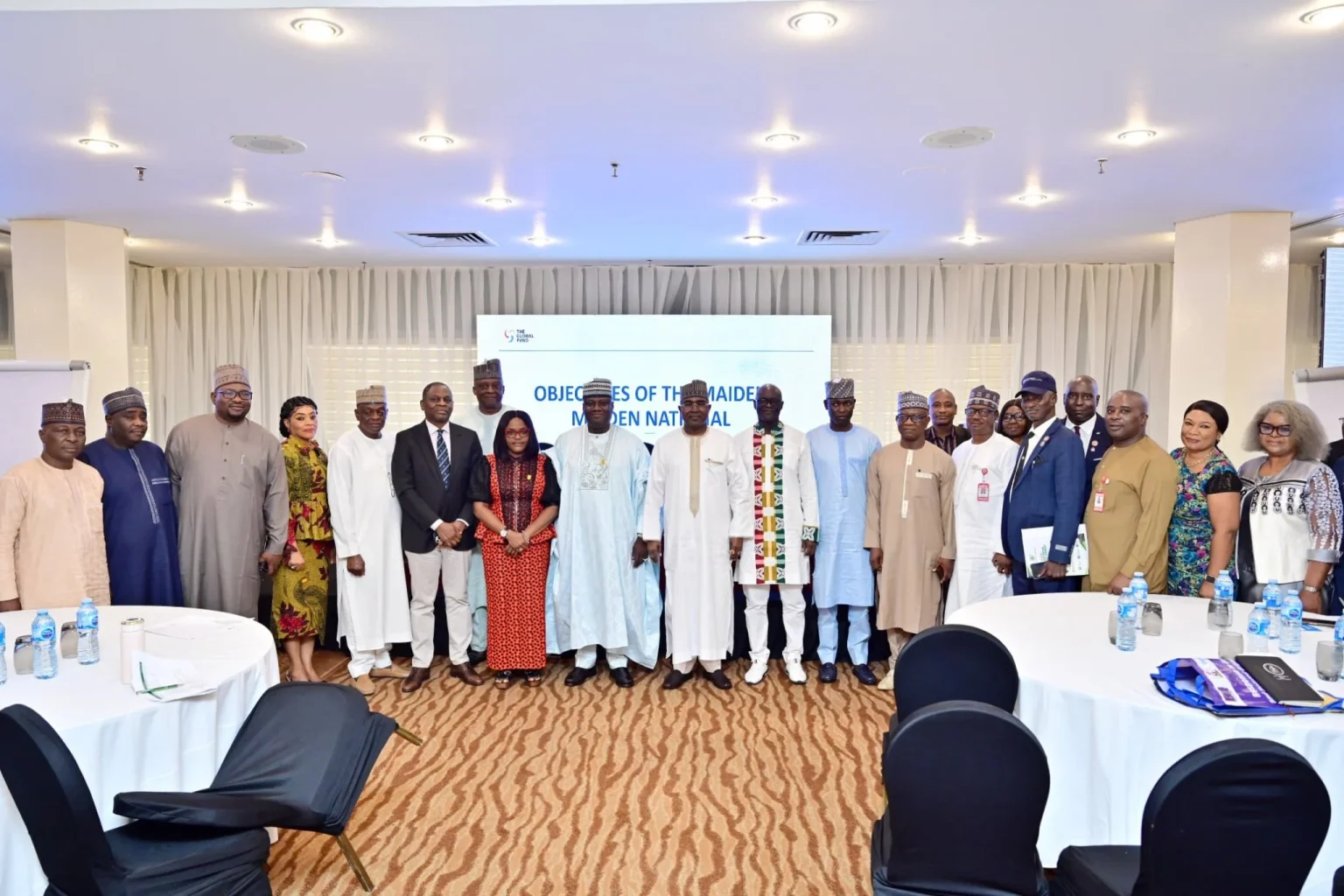
NACA Director-General, Dr Temitope Ilori, made the call on Thursday in Lagos at a national training for journalists and social media influencers on HIV Pre-Exposure Prophylaxis, organised by NACA in collaboration with the World Health Organisation.
Ilori said accurate information was essential to Nigeria’s HIV response, noting that access to prevention services alone would not be enough if Nigerians lacked the knowledge required to make informed health decisions.
She described PrEP as an effective HIV prevention option for people who are HIV-negative but may be at risk of acquiring the virus.
According to her, the effectiveness of PrEP in Nigeria would depend on public awareness, proper understanding, accessibility and people’s willingness to use it.
“PrEP is a highly effective HIV prevention option for people who are HIV-negative and may be at risk of acquiring HIV. However, its effectiveness in the national response depends not only on availability, but also on awareness, correct understanding, accessibility and willingness to use it,” she said.
The NACA boss identified the media and digital influencers as important partners in the fight against HIV because of their ability to shape public opinion and reach large audiences.
She warned that inaccurate or sensational reports could fuel fear, deepen misconceptions and discourage people from seeking HIV prevention and treatment services.
“In the age of misinformation and sensational content, inaccurate information about HIV prevention can create fear, reinforce stigma and discourage people from accessing services,” Ilori said.
She urged media professionals to provide evidence-based and non-judgmental information about PrEP, including who can use it, how it works, where it can be obtained and other available HIV prevention options.
Ilori also encouraged journalists to create platforms where people could ask questions about HIV without fear of discrimination or shame.
“Your stories should humanise HIV prevention. Your content should encourage conversations rather than judgment. And your platforms should become trusted sources of credible health information,” she said.
She said PrEP forms part of combination HIV prevention and is intended for people who do not have HIV but may have a higher risk of acquiring the virus.
Unlike a vaccine, PrEP involves the use of HIV prevention medicine before potential exposure to reduce the risk of infection.
Ilori said increasing public understanding of PrEP was therefore necessary to enable eligible Nigerians to make informed choices about HIV prevention.
The training comes as Nigeria implements its National Strategic Plan for HIV and AIDS 2026–2030, which prioritises sustainability, innovation, stronger partnerships and increased community participation in the national HIV response.
Ilori called for sustained collaboration between NACA, the media and the digital community, saying the training should mark the beginning of a stronger partnership rather than a one-off engagement.
“Together, we can increase demand for HIV prevention services, reduce misinformation, address stigma and ensure that more Nigerians have the knowledge and tools they need to protect themselves from HIV,” she said.
She added that journalists and digital influencers could use their platforms to challenge misconceptions and promote credible HIV prevention information.
“Let us use the power of journalism and digital influence to save lives,” Ilori said.