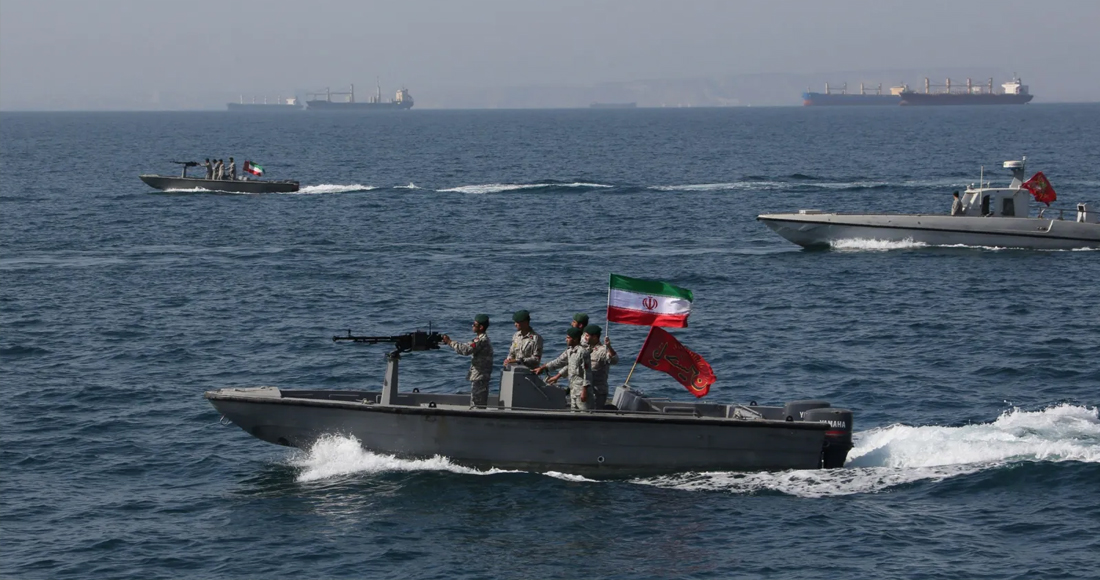
Iran on Saturday said it had launched strikes against United States military targets across the Middle East in retaliation for recent American attacks near the Strait of Hormuz, further straining a fragile agreement aimed at easing tensions between the two countries.
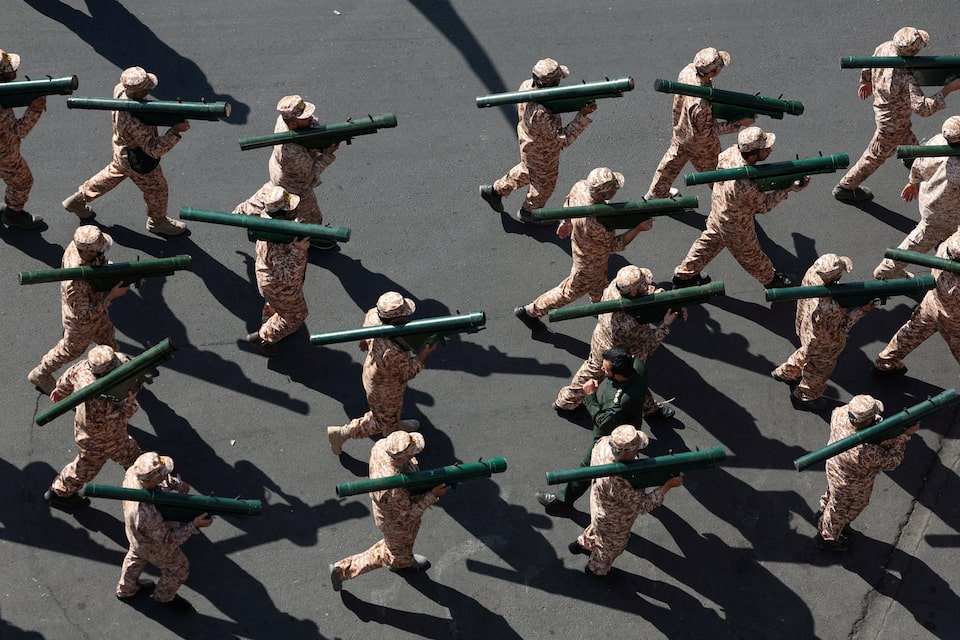
According to Iran’s Revolutionary Guards, US military positions were targeted in the operation, Iranian state broadcaster Press TV reported.
Tehran’s foreign ministry accused Washington of breaching the terms of their agreement.
While the US military had not confirmed the reported attacks as of Saturday, the exchanges mark the first direct confrontation since both sides signed a memorandum of understanding last week.
Meanwhile, Bahrain, home to a major US military installation, said it came under Iranian drone attacks in the early hours of Saturday.
In a statement, Bahrain’s foreign affairs ministry condemned the incident as “a flagrant violation of Bahrain’s sovereignty.” Authorities did not immediately specify the intended target, and Tehran had yet to comment on the allegation.
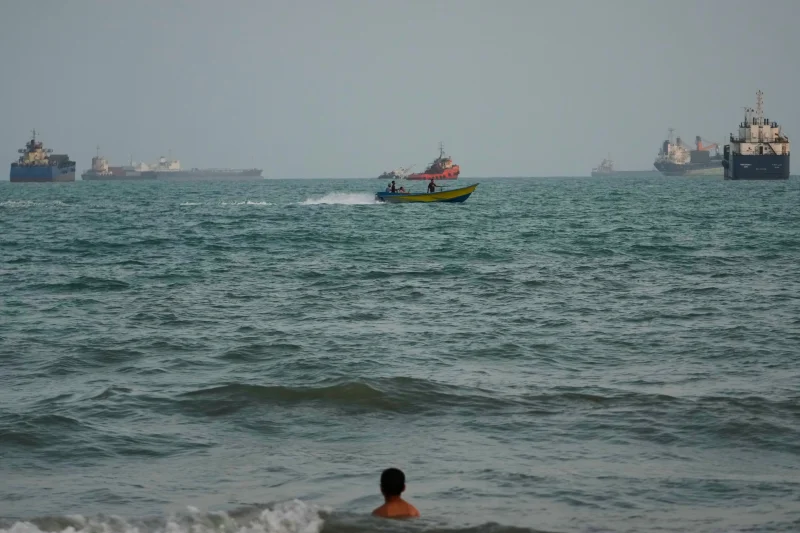
The security situation in the Strait of Hormuz also deteriorated after a commercial tanker was hit by what the United Kingdom Maritime Trade Operations described as an “unidentified projectile.”
Although the vessel suffered damage, no crew members were injured. UKMTO subsequently urged ships operating in the area to exercise heightened caution.
The latest developments add to growing uncertainty surrounding the US-Iran memorandum signed earlier this month, which was intended to facilitate the gradual restoration of normal maritime traffic through the strategic waterway.
In response to recent attacks on merchant vessels, the US Navy-supervised Joint Maritime Information Center elevated the threat level in the Strait of Hormuz to “substantial” on Saturday.
The organisation also announced the expansion of a shipping route near Oman to accommodate increased two-way maritime traffic, a move seen as reducing Iran’s influence over movement through the strait.
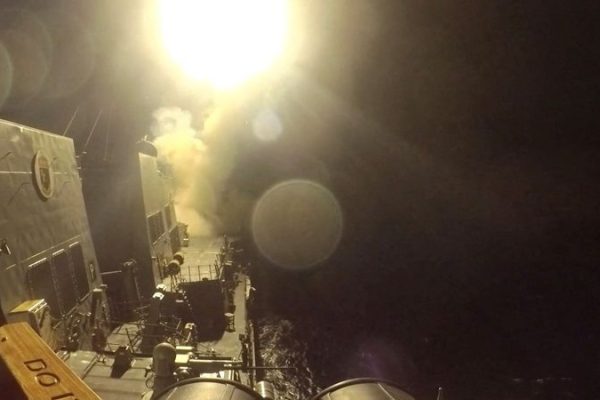
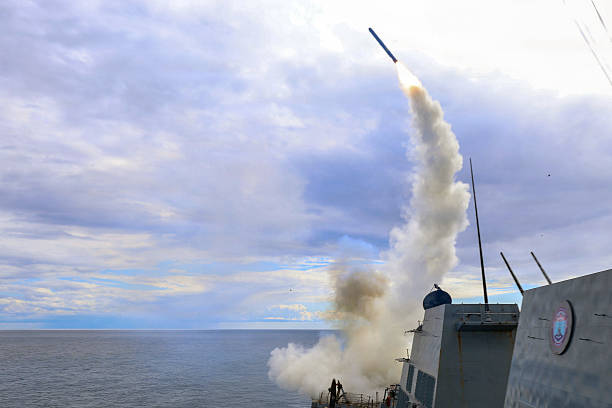
Saturday’s Iranian strikes followed US military operations a day earlier targeting Iranian positions around the Strait of Hormuz. According to US Central Command, “US aircraft struck Iranian missile and drone storage locations and coastal radar sites.” It added, “The unwarranted aggression against commercial shipping by Iranian forces clearly violated the ceasefire.”
The latest round of hostilities was triggered by an Iranian attack on a commercial vessel near the Strait of Hormuz on Thursday.
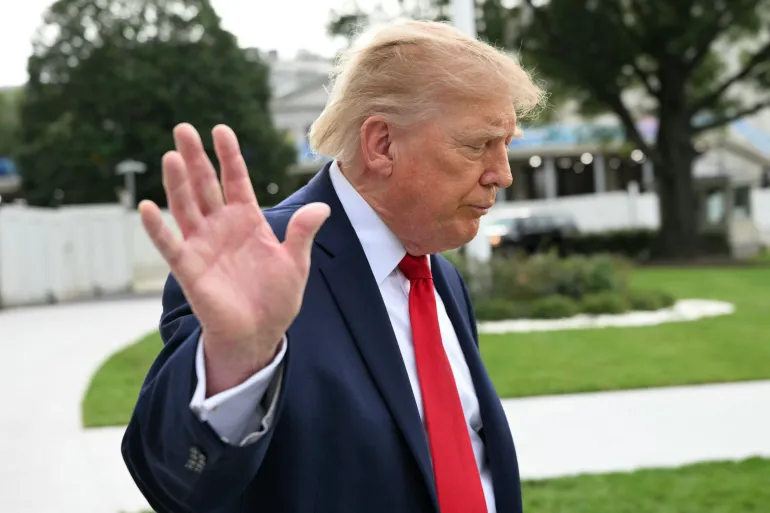
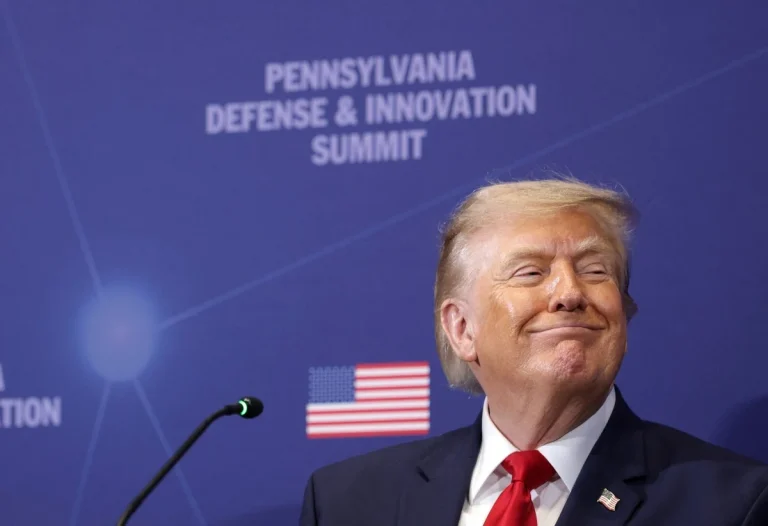
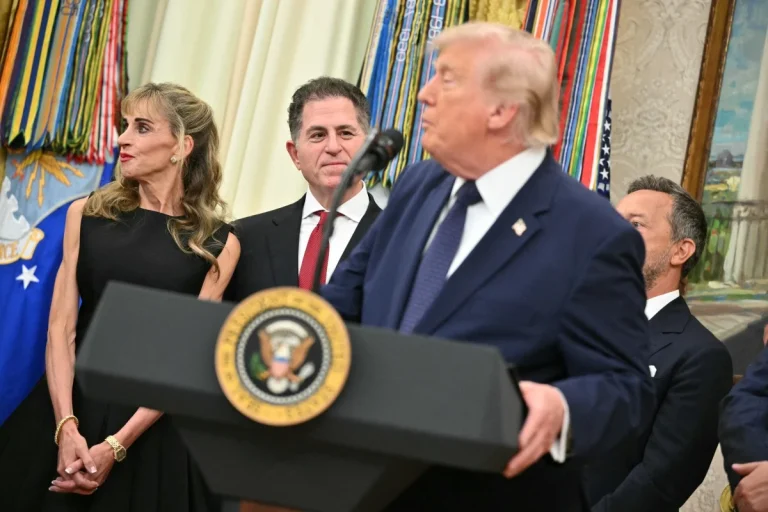
US President Donald Trump described that incident as a “foolish violation” of the agreement designed to end the conflict between the two countries.
Despite the renewed violence, a US official told CNN that the American strikes should not be interpreted as a return to full-scale military operations, suggesting both sides remain cautious about broader escalation.
Vice President JD Vance, who played a central role in negotiating the agreement with Iran, issued a warning on Friday, saying “violence will be met with violence.”
The renewed confrontations have once again raised concerns over stability in the Strait of Hormuz, one of the world’s most critical maritime chokepoints, despite the recently signed memorandum between Washington and Tehran.
Under the agreement, Iran committed to making “arrangements using its best efforts” to guarantee safe passage for commercial shipping through the strait and to restore traffic volumes to levels seen before the conflict. However, the document left key implementation details unresolved.
One of the unresolved issues concerns transit charges. While Trump has maintained that vessels should pass through the strait without fees, Iranian officials have argued that Tehran retains the authority to impose charges on ships using the route.