Iranian President, Masoud Pezeshkian, on Thursday warned that a United States naval blockade of Iranian ports would worsen instability in the Gulf region and fail to achieve its intended goals.
“Any attempt to impose a maritime blockade or restrictions is contrary to international law… and is doomed to fail,” Pezeshkian said in a statement.
He further argued that such actions would “not only fail to enhance regional security, but are in fact a source of tension and a disruption to lasting stability in the Persian Gulf”.
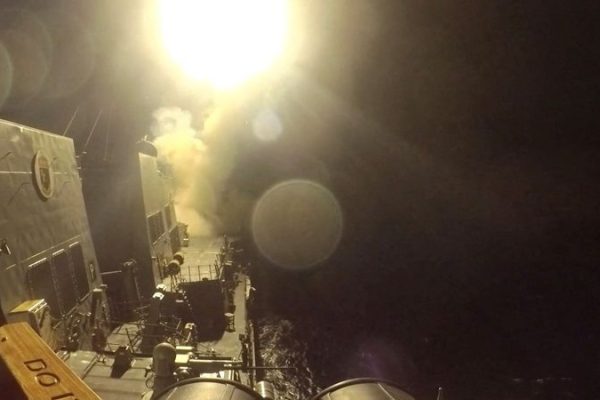
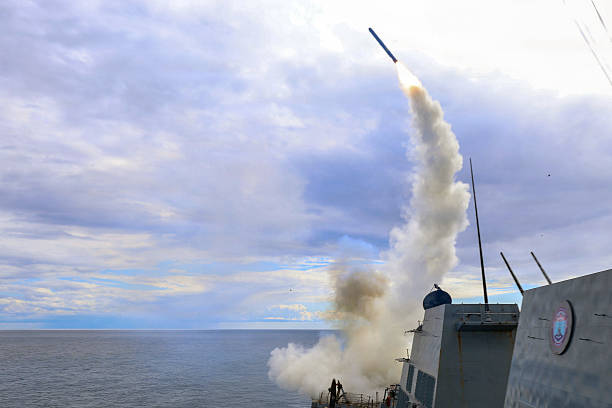
The United States reportedly imposed a naval blockade on Iran’s ports and coastal areas on April 13, following a ceasefire that temporarily halted its war with Iran.
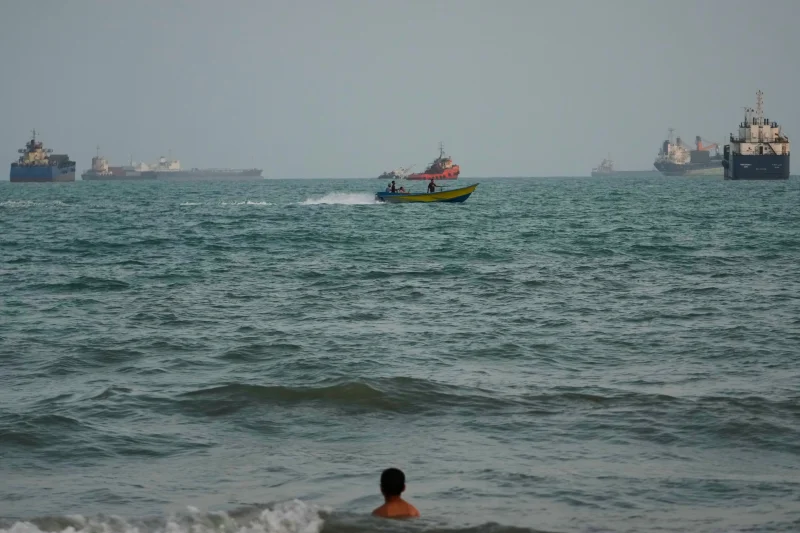
In response, Iran has kept the strategic Strait of Hormuz, a key global oil and gas transit route, closed, while also warning it would “respond” if the US blockade persists.
On Wednesday, a military adviser to Supreme Leader Ayatollah Ali Khamenei, Mohsen Rezaei, reiterated the warning without giving details.
“We will not tolerate the naval blockade. If it continues, Iran will respond,” Rezaei, a former commander-in-chief of the Islamic Revolutionary Guard Corps appointed as a military adviser in March, told state television.
He also cautioned against renewed conflict with Washington, warning it could lead to significant US losses.
“If the US starts another war, it should expect that we take a large number of them prisoner,” he added, suggesting US ships could also be targeted.
Separately, Oil Minister Mohsen Paknejad dismissed concerns over the blockade’s impact on energy markets, insisting Iran’s oil sector remained fully operational.
“Oil industry employees are working around the clock to ensure that there is no problem in providing services,” he told state TV.
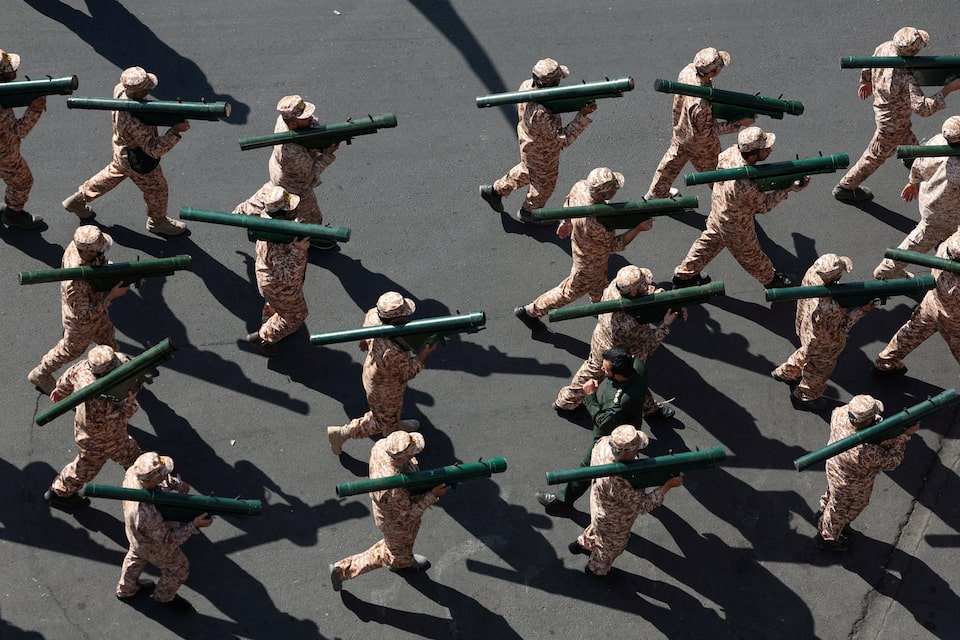
Meanwhile, Iranian navy commander Shahram Irani indicated that new domestically developed naval weaponry would be deployed “in the very near future.”