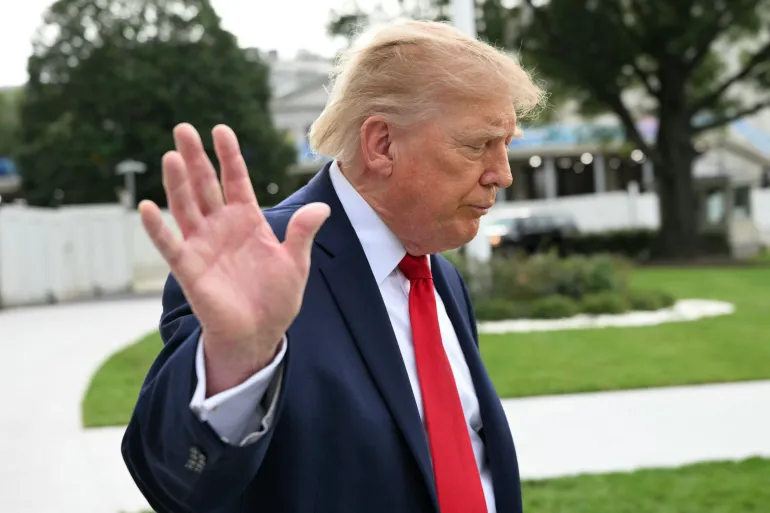
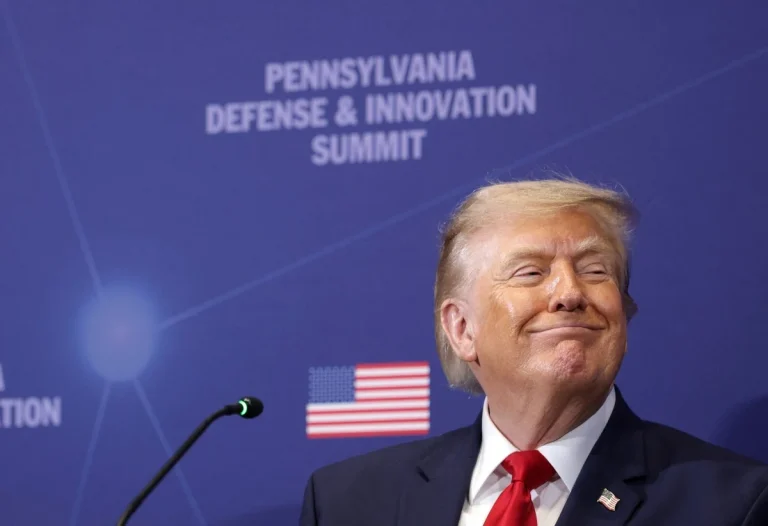
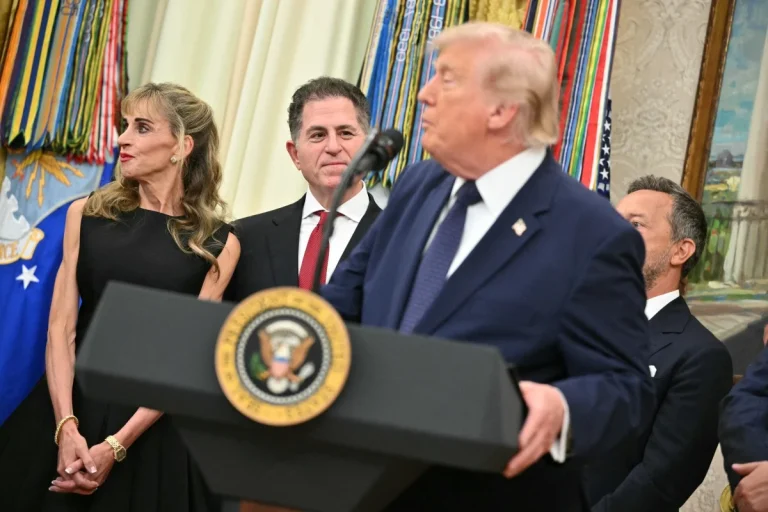
Iran has rejected the United States President, Donald Trump, 15-point plan aimed at ending the war the US and Israel started against Tehran three weeks ago.
The proposal, which includes the destruction of nuclear facilities at Natanz, Isfahan, and Fordow, was mocked by Iranian officials, who also outlined their own counter-demands.
According to the Wall Street Journal, a US official described Iran’s list of demands as “ridiculous and unrealistic.”
Among Tehran’s proposals are the closure of US military bases in the Middle East and a new toll system for ships passing through the Strait of Hormuz, similar to Egypt’s fees on the Suez Canal.
Iran also called for guarantees that the conflict would not resume, an end to Israeli attacks on the Hezbollah militia in Lebanon, the lifting of all sanctions, and the preservation of its missile program without negotiation limits.
Press TV, Iran’s state broadcaster in English, cited a senior political security official saying Tehran had reviewed and rejected the US plan.
“Iran will end the war when it decides to do so and when its own conditions are met,” the official said, adding that the country would not allow Donald Trump to dictate the timeline. The official also described the US proposal as “excessive.”
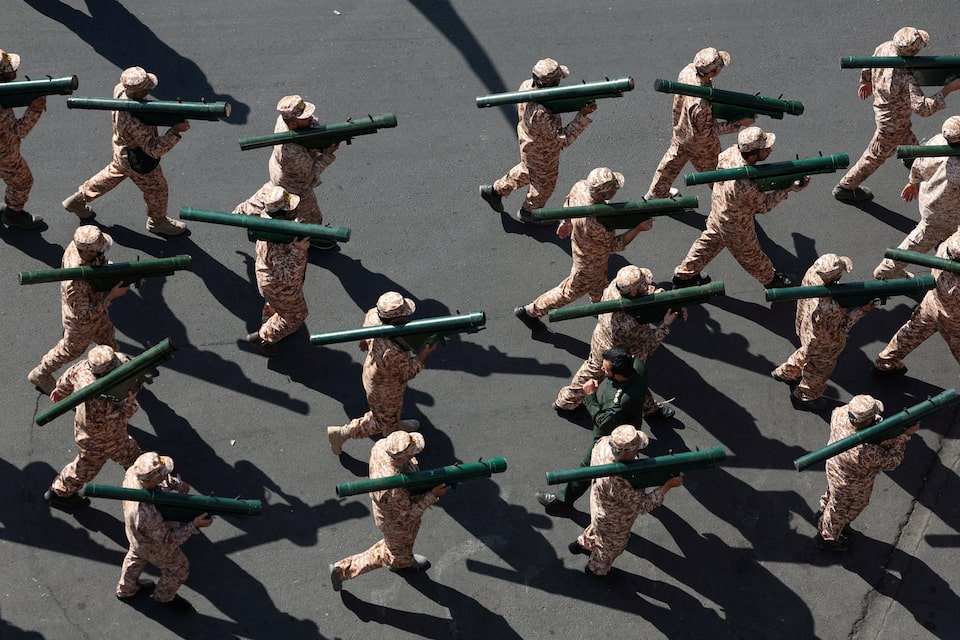
Meanwhile, Iranian military spokesperson Lt. Col. Ebrahim Zolfaghari mocked American efforts at a ceasefire.
In a prerecorded state television broadcast, he said the US was “only negotiating with themselves,” adding, “Our first and last word has been the same from day one, and it will stay that way: Someone like us will never come to terms with someone like you. Not now, not ever.”
He described America’s strategic power as having turned into “strategic failure,” warning that the era of “empty promises” is over.
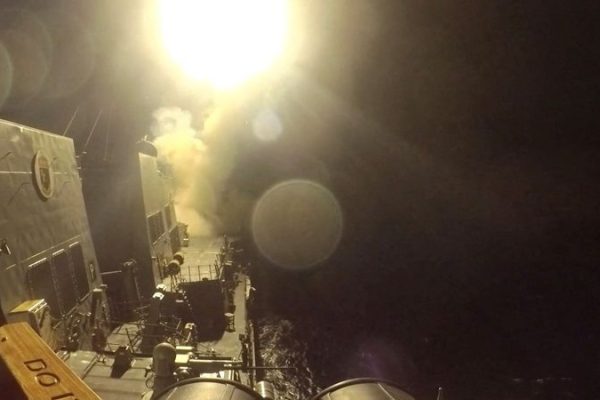
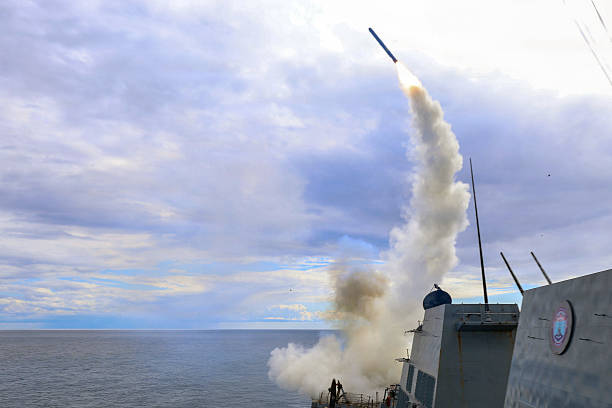
The escalating war has also prompted the US Pentagon to ramp up missile production. Agreements with Lockheed Martin, BAE Systems, and Honeywell Aerospace aim to put production “on a wartime footing” due to heavy use of interceptor missiles in the Middle East.
Lockheed Martin will increase production of THAAD anti-missile system components and Precision Strike Missiles, while Honeywell Aerospace will boost manufacturing of critical munitions systems, navigation, and electronic warfare solutions, with a multi-year $500 million investment.
The United Nations has sounded the alarm over the conflict. Secretary-General Antonio Guterres described the Middle East war as “out of control,” warning of rising human suffering and deepening global economic shock.
“The conflict has broken past the limits even leaders thought imaginable. The world is staring down the barrel of a wider war, a rising tide of human suffering, and a deeper global economic shock. This has gone too far. The Gaza model must not be replicated in Lebanon,” he said.