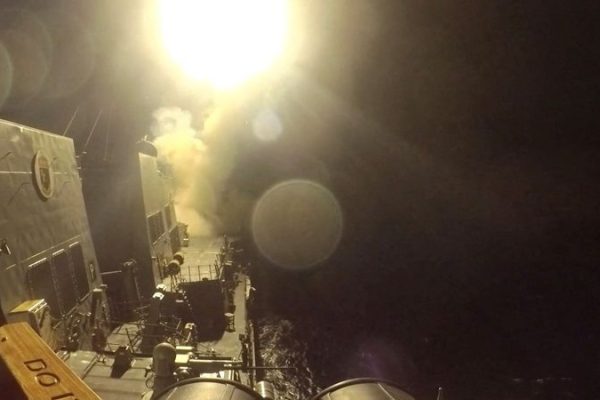
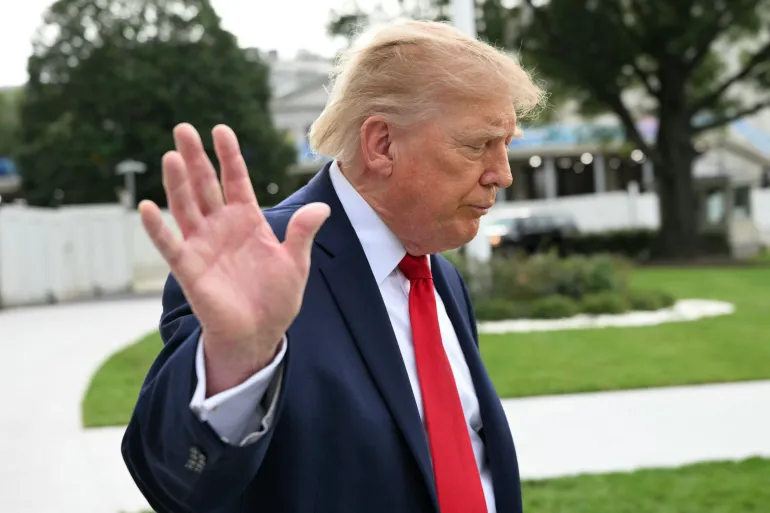
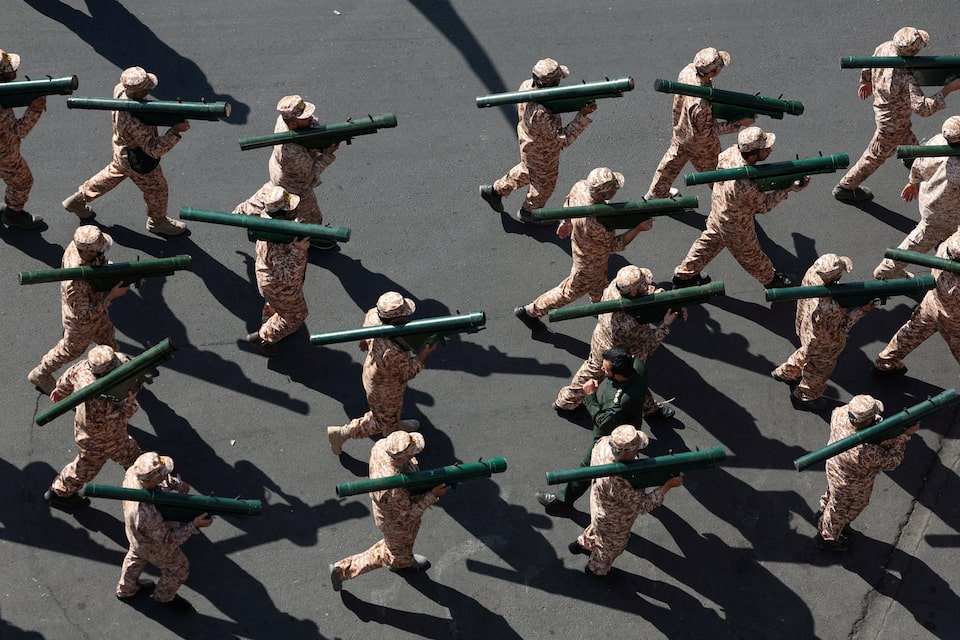
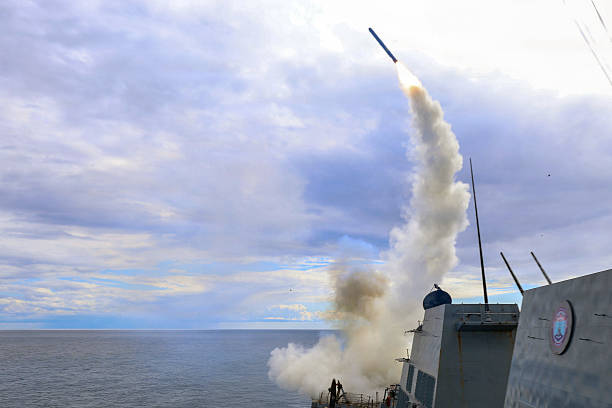
Iran launched new missiles early Tuesday, signaling defiance against US President Donald Trump, who had warned that Washington might destroy Kharg Island, along with power and desalination plants, if Tehran does not quickly accept a deal to end the war.
Israeli Prime Minister Benjamin Netanyahu, Trump’s ally in the offensive against Iran, claimed that more than half of Israel’s military objectives had been achieved.
However, both leaders refrained from setting a timeline for the ongoing campaign, which has sparked a regional conflict and driven global oil prices higher.
In Dubai, authorities reported four injuries from falling debris caused by intercepted projectiles, while a Kuwaiti oil tanker caught fire in the port, shaking the financial hub’s reputation for stability after more than a month of war.
Saudi forces said they intercepted eight ballistic missiles. Earlier, Iranian Foreign Minister Abbas Araghchi urged Saudi Arabia to “eject US forces,” asserting Tehran’s respect for the “brotherly” kingdom if it does not comply.
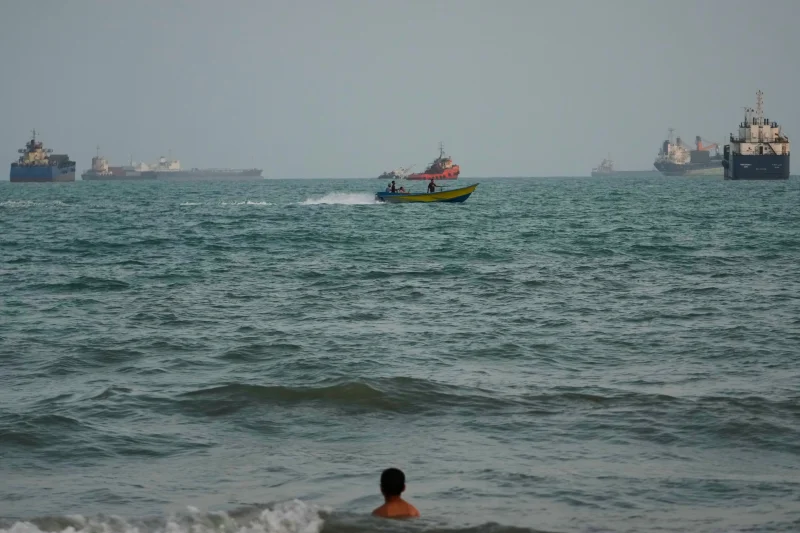
An Iranian parliamentary committee voted to impose tolls on vessels passing through the Strait of Hormuz, a crucial route for one-fifth of the world’s oil, while banning ships from the United States and Israel entirely.
Previously open to international traffic, the strait has drawn warnings from US officials. Secretary of State Marco Rubio called the tolls unacceptable, telling Al-Jazeera, “No one in the world can accept it. It sets an incredible precedent. So this means that nations can now take over international waterways and claim them as their own.”
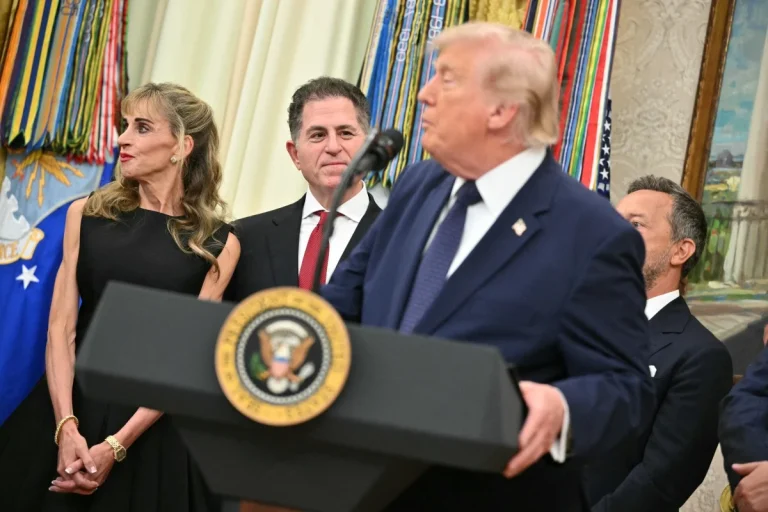
Trump claimed the United States was in contact with a “more reasonable regime” in Tehran. Iran denied negotiations and accused Trump of using talks as a pretext while preparing for a ground invasion.
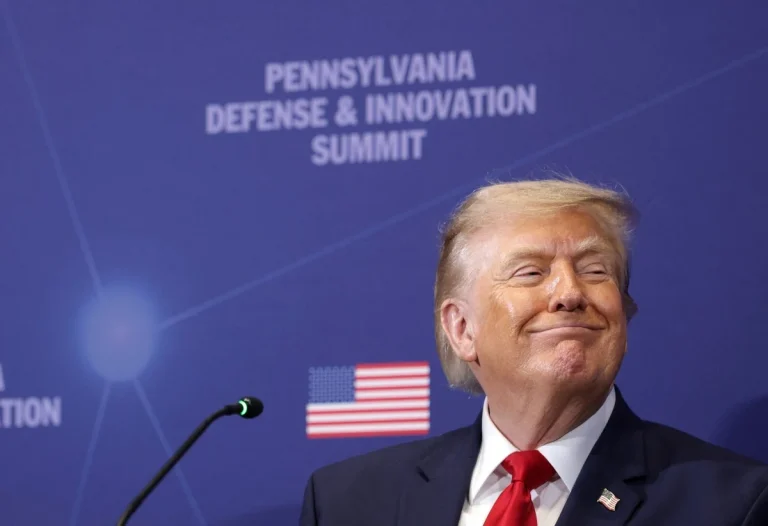
The US president warned, “If a deal were not struck, including to reopen the Strait of Hormuz, US forces would destroy ‘all of their Electric Generating Plants, Oil Wells and Kharg Island (and possibly all desalinization plants!).’”
Experts note that targeting civilian infrastructure would violate international humanitarian law and could constitute a war crime.
Peacekeepers Killed in Lebanon
Israel has intensified its attacks in Lebanon, including central Beirut, aiming to strike Hezbollah, the Iranian-backed group that fired rockets in response to Israel’s killing of Iran’s supreme leader, Ali Khamenei.
The UN mission in Lebanon reported that two Indonesian peacekeepers were killed when “an explosion of unknown origin destroyed their vehicle,” with two others wounded, one seriously.
Another Indonesian peacekeeper died on Sunday.
The Israeli military announced it had opened an investigation to determine whether it or Hezbollah was responsible.
Prior to the war, Indonesia had been preparing to send forces on a stabilization mission to Gaza following a ceasefire between Israel and Hamas.
France condemned the peacekeepers’ deaths and called for an urgent UN Security Council meeting, scheduled for Tuesday at 14:00 GMT.
Meanwhile, G7 economy ministers and central bankers gathered in Paris to discuss the conflict’s economic impact. Several countries introduced energy-saving measures or reduced fuel taxes to mitigate the financial burden on consumers.
Experts warn that any US ground operation or Iranian retaliation could push oil prices to heights not seen since the 2008 Brent crude peak of nearly $150 a barrel.
Brent has already surged nearly 60 percent this month, with US WTI rising over half.
Adding to regional tensions, Yemen’s Iranian-backed Houthi rebels launched missiles and drones at Israel over the weekend, threatening Red Sea shipping in addition to the Gulf.
Netanyahu Claims Military Success
Netanyahu stated that Israel had achieved key objectives, including “wiping out” industrial plants in Iran and nearing the completion of its campaign against Iran’s arms industry.
He told US broadcaster Newsmax, “It’s definitely beyond the halfway point. But I don’t want to put a schedule on it.”
In the United States, the war’s rising oil prices have fueled public dissatisfaction. Rubio predicted the conflict would last “weeks” rather than months.
Egyptian President Abdel Fattah al-Sisi, mediating indirect talks, appealed to Trump directly,n“Please, help us to stop the war, you are capable of it.”
Trump has claimed to be in direct contact with senior Iranian figures whose identities remain undisclosed. Rubio expressed hope for resolution, noting “fractures” within Iran and suggesting that the officials allegedly in touch with Washington may “have the power to deliver.”
Iranian foreign ministry spokesman Esmaeil Baqaei, however, again denied any negotiations, saying that the United States had sent only a request to talk through intermediaries, including Pakistan.
Life in Tehran Amid War
Despite weeks of strikes, life in Tehran carries glimpses of normalcy. Cafes and restaurants remain open, and supermarkets and petrol stations report no shortages. Security is tight, with checkpoints around the capital.
“When I make it to a cafe table, even for a few minutes, I can almost believe the world hasn’t ended,” said Fatemeh, 27, a dental assistant.
“And then I go back home, back to the reality of living through war, with all its darkness and weight.”