United States Vice President, JD Vance, will lead an American delegation to talks with Iran in Pakistan starting on April 11, according to White House Press Secretary Karoline Leavitt.
Speaking to reporters, Leavitt said the ceasefire between the US and Iran had created an “opening” that could pave the way for lasting peace in the region.
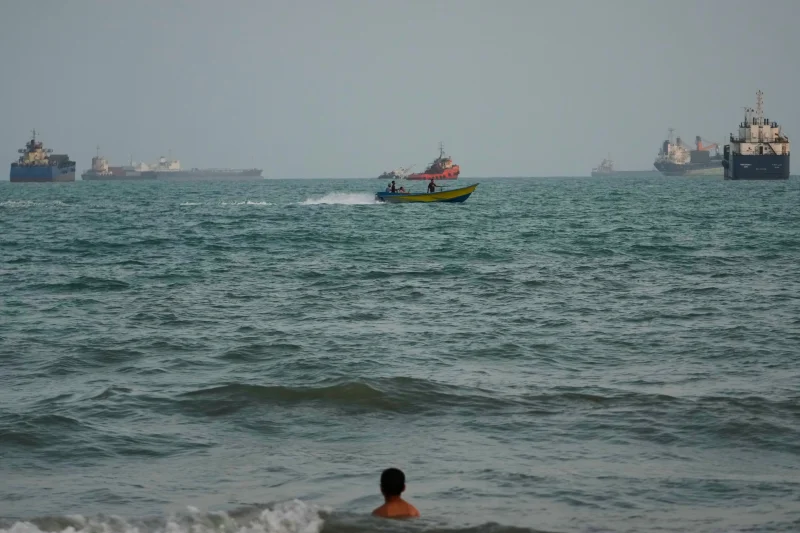
However, uncertainty remains over the peace proposals expected to be discussed, as well as the current status of shipping through the strategically important Strait of Hormuz.
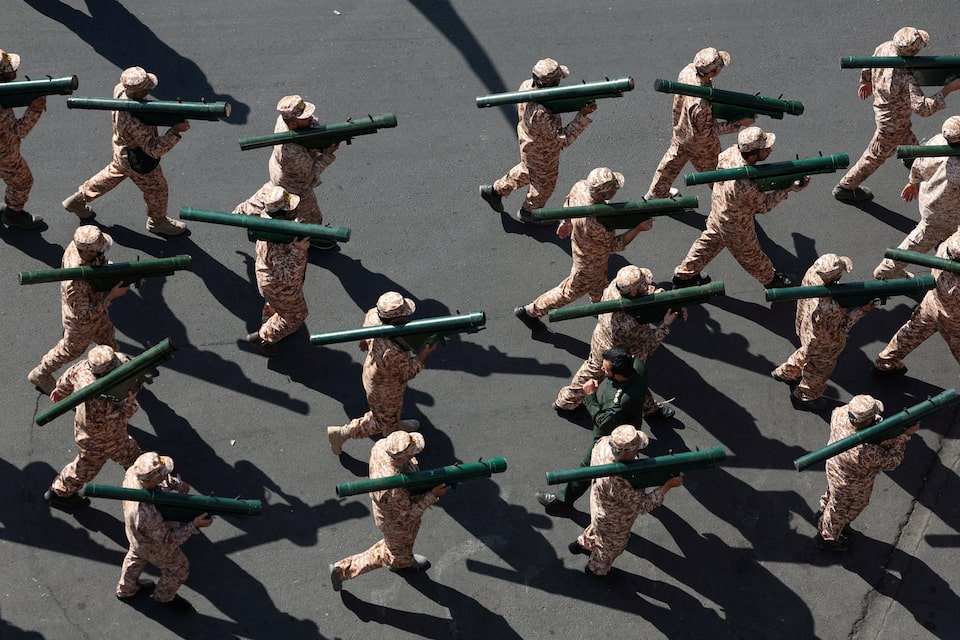
Iranian forces had earlier warned that ships attempting to pass through the waterway without approval would be “destroyed”.
Leavitt insisted that Iran’s public position differs from what it is saying privately.
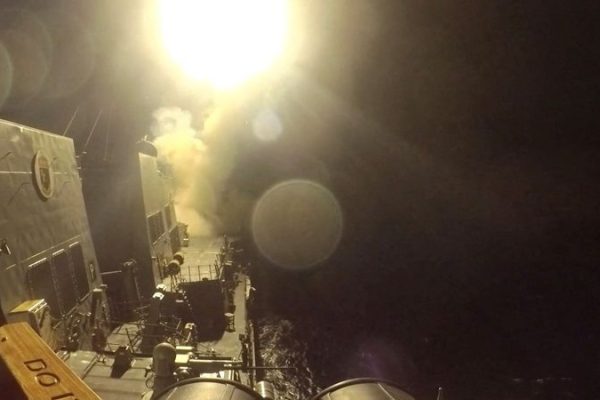
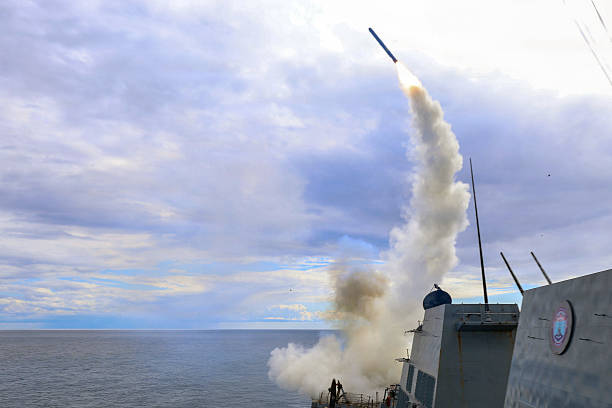
During Wednesday’s White House briefing, Leavitt described the situation as an American “victory”. She said the main objectives of Operation Epic Fury, including crippling Iran’s navy, drone capabilities and ballistic missile programme, had been met.
With the ceasefire now in effect, Vance will travel to Pakistan alongside special envoy Steve Witkoff and Jared Kushner for face-to-face talks with Iranian officials.
Leavitt did not reveal details of the negotiations or the specific proposals under discussion.
She dismissed reports suggesting Iran had presented a 10-point peace proposal, describing those reports as inaccurate.
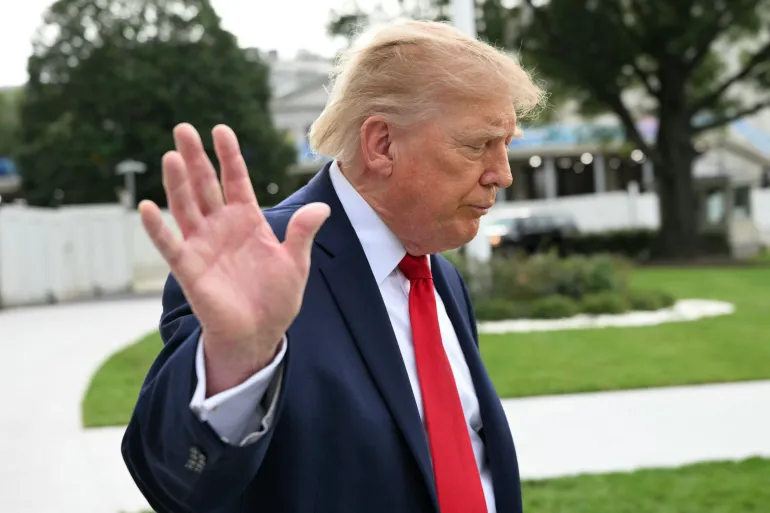
According to her, Tehran’s first offer was “fundamentally unserious” and was quickly rejected. She said Iran later presented a revised proposal after President Donald Trump warned that a “whole civilization will die” if an agreement was not reached.
“The idea that President Trump would ever accept an Iranian wish list as a deal is completely absurd,” she said.
Leavitt also claimed that Iran had agreed to reopen the Strait of Hormuz, despite Tehran’s threats toward ships moving through the area.
When asked about the difference between the White House’s positive tone and Iran’s warning to vessels, Leavitt said Trump would hold Iran “accountable” and expected the Strait to reopen “quickly and safely”.
The ceasefire announced on Tuesday came only hours after Trump posted on Truth Social that Iran’s “civilization will die” unless it accepted a deal to end the conflict and allow passage through the Strait of Hormuz.
Trump’s remarks drew criticism from across the American political spectrum and raised concerns about the humanitarian consequences of any broader US military action against Iranian infrastructure.
Leavitt defended Trump’s language, arguing that he maintains the “moral high ground” over Iran’s “rogue regime”.
“His very tough rhetoric and his tough negotiating style is what has led to the result you are all witnessing today,” she said.
Trump is also due to meet Mark Rutte later on Wednesday.
Leavitt said the meeting would involve a “very frank and candid conversation” as tensions continue to rise between the alliance and its strongest member.
Trump has repeatedly criticised NATO, accusing the alliance of failing to support the US during the Iran conflict or assist in reopening the Strait of Hormuz.
“Nato was tested and they failed,” Leavitt said, directly quoting a letter from President Trump.
She added that Trump has “discussed” leaving NATO, though she offered no further explanation.
Trump has previously claimed that several NATO allies did not want to be involved in the war, viewing it as unnecessary.
Relations between Trump and NATO had already become strained before the Iran conflict, partly because of disagreements over Greenland, the Danish territory Trump has repeatedly expressed interest in acquiring despite opposition from European allies.