The United States has intercepted an Iranian-flagged cargo vessel in the Gulf, escalating tensions despite an ongoing ceasefire, according to Donald Trump.
Posting on Truth Social, Trump said the ship, identified as Touska, was seized by the US Navy after it ignored warnings to halt.
Iran, however, condemned the move as a breach of the truce and vowed retaliation, describing the incident as an “act of armed piracy.”
The development comes as Washington confirmed that Vice-President JD Vance will head a delegation to Pakistan for a second round of talks aimed at ending the conflict with Iran.
Tehran has yet to confirm participation, with state media indicating officials may boycott negotiations while the US naval blockade remains in effect.
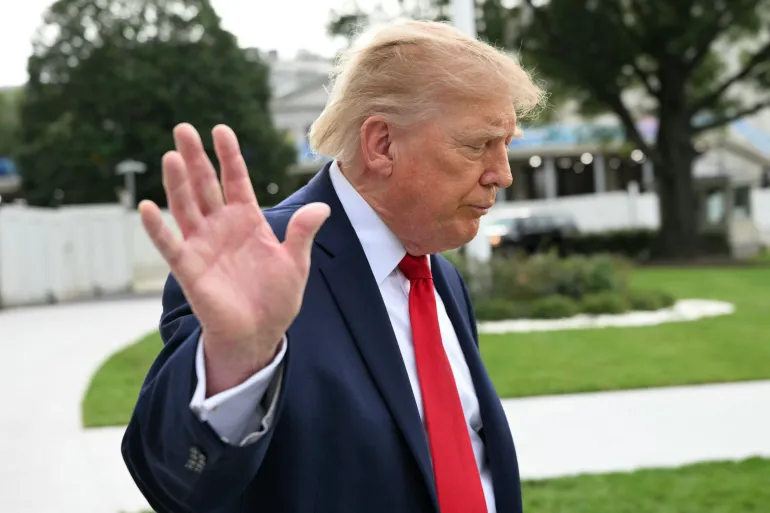
“Today, an Iranian-flagged cargo ship named TOUSKA, nearly 900 feet long and weighing almost as much as an aircraft carrier, tried to get past our Naval Blockade, and it did not go well for them,” Trump wrote.
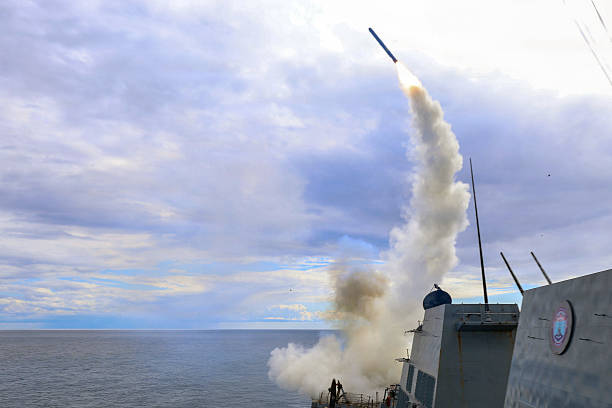
He added that the US had issued a warning that was ignored, “so our Navy ship stopped them right in their tracks by blowing a hole in the engineroom”.
“The TOUSKA is under US Treasury Sanctions because of their prior history of illegal activity. We have full custody of the ship, and are seeing what’s on board!”
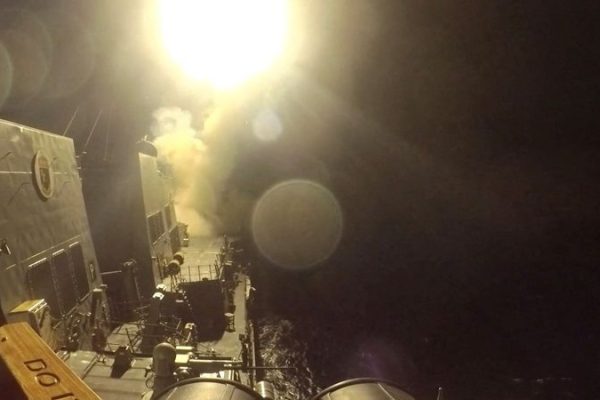
US Central Command later released footage it said showed the interception, including a naval vessel firing toward the cargo ship.
Iran’s military, through a spokesperson for its Khatam al-Anbiya headquarters, said the US had violated the ceasefire by attacking a commercial vessel in the Sea of Oman, disabling its navigation system and boarding it with marines.
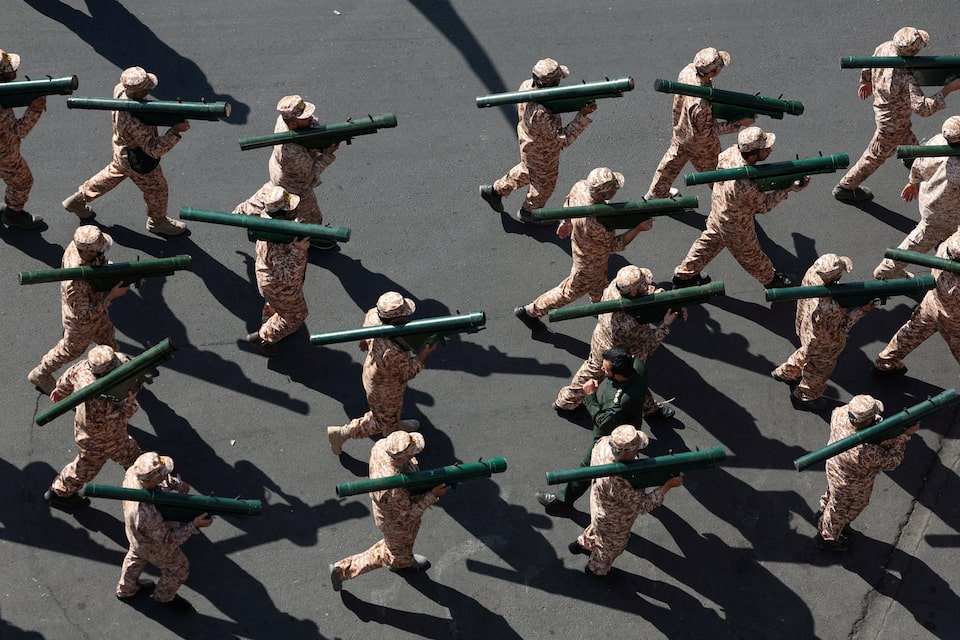
“Armed Forces of the Islamic Republic of Iran will soon respond to and retaliate for this act of armed piracy by the US Navy,” the statement said.
Trump had earlier insisted the blockade of Iranian ports would remain until both sides reached an agreement.
The crisis traces back to 28 February, when US and Israeli strikes on Iran triggered weeks of escalating attacks across the Middle East before a temporary two-week truce was declared.
Talks between the two sides remain fragile. A first round earlier this month failed to produce an agreement, with major sticking points including Iran’s nuclear programme and control over the Strait of Hormuz, a critical global oil route.
On Sunday, Trump said US officials would arrive in Pakistan for renewed discussions ahead of the ceasefire’s expected expiration on Wednesday. Alongside Vance, the delegation is expected to include advisers Steve Witkoff and Jared Kushner.
However, Iran’s state news agency IRNA dismissed reports of upcoming talks as “not true,” blaming the US blockade, “excessive” demands and threatening rhetoric for stalled progress.
Still, preparations are reportedly underway in Islamabad, where previous negotiations were held.
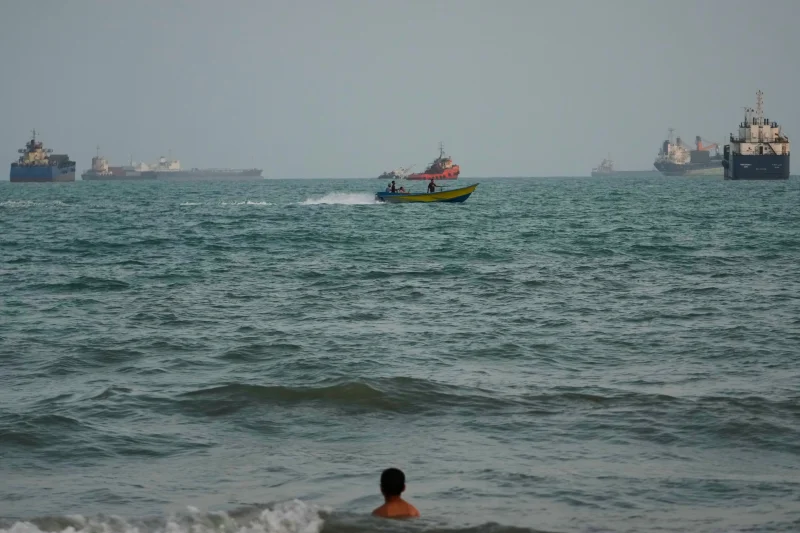
Meanwhile, tensions in the Strait of Hormuz remain high. Iran has closed the vital waterway, which carries about 20% of the world’s oil and liquefied natural gas, citing the US blockade as a violation of the ceasefire.
Trump has rejected Iran’s stance, saying the country cannot “blackmail” the US over the route, and warned of further escalation if no deal is reached.
“If they don’t take the DEAL, it will be my Honour to do what has to be done,” he wrote.
He also accused Iran of targeting vessels in the strait, including a French ship and a UK-linked freighter. French shipping giant CMA CGM confirmed one of its vessels received warning shots, though no injuries were reported.
Shipping activity in the strait has sharply declined, with tracking data showing near standstill conditions as fears grow over global energy supply disruptions.