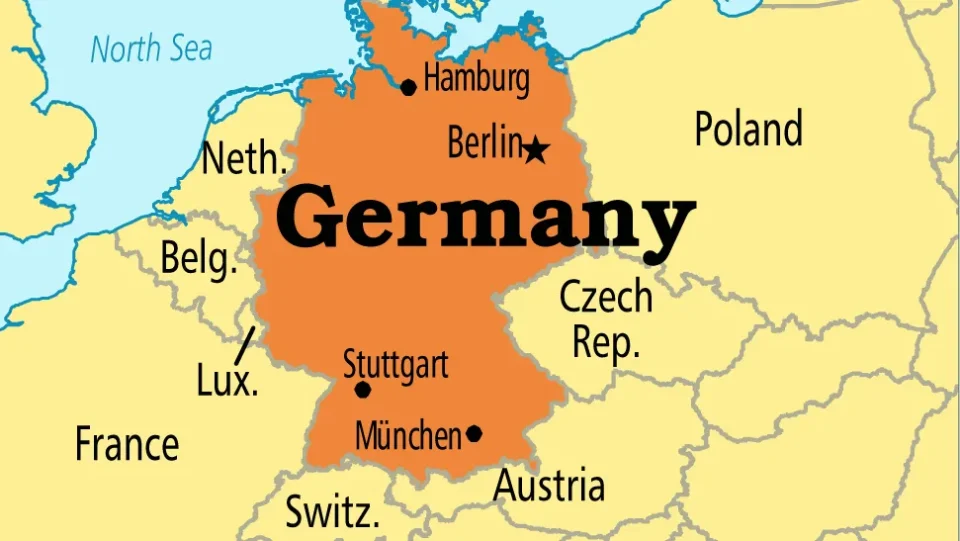
The United States Government has imposed a 12.5 per cent tariff on goods imported from Nigeria, citing concerns over the country’s failure to prohibit the entry of products made using forced labour.
The measure is part of a broader trade action affecting 60 economies identified by Washington as lacking effective restrictions against the importation of goods linked to forced labour.
The United States Trade Representative announced the decision following investigations launched in May 2026 under Section 301 of the Trade Act of 1974.
According to the USTR, the investigation involved more than 1,600 written submissions, public hearings with over 100 witnesses and consultations with more than 45 governments.
While Nigeria and other countries were assigned a 12.5 per cent tariff, some economies, including India, Indonesia, Malaysia, Mexico and the United Kingdom, will face a 10 per cent rate because they have either implemented or pledged to introduce measures prohibiting forced-labour goods.
A Federal Register notice specifically listed Nigeria among the countries subject to the higher tariff, although certain products would be exempted under provisions contained in the notice.
The notice stated, “The Trade Representative has determined to impose 12.5 percent tariffs on products of Nigeria, except as provided in Annex I and Annex II, Part A, of this Notice.”
It added that the tariff was intended to pressure Nigeria to address practices identified during the investigation.
The USTR said some products would be excluded from the tariffs, including raw materials whose restriction could cause domestic shortages, goods that could trigger wider economic disruptions and products that are not available in sufficient quantities in the United States or alternative markets.
US Trade Representative Jamieson Greer said the policy was designed to encourage countries to take stronger action against forced labour in global supply chains.
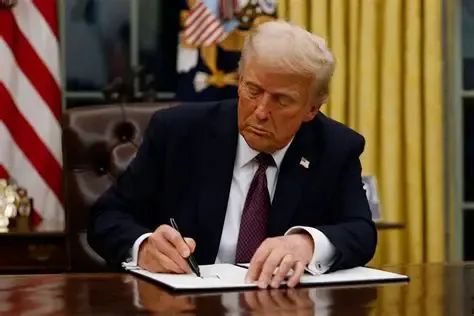
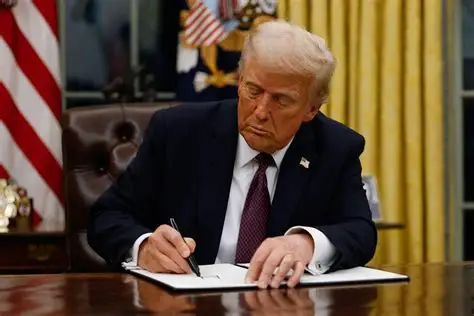
Greer said, “President Trump recognises that decades of moral suasion have not eradicated forced labour from global supply chains.”
He added, “The United States has had a forced labour import ban for nearly a century. It’s well past time for our trading partners to do the same.”
The latest action comes amid broader changes to US trade policy under President Donald Trump, including the use of Section 122 of the Trade Act of 1974 to impose temporary tariffs on imports.