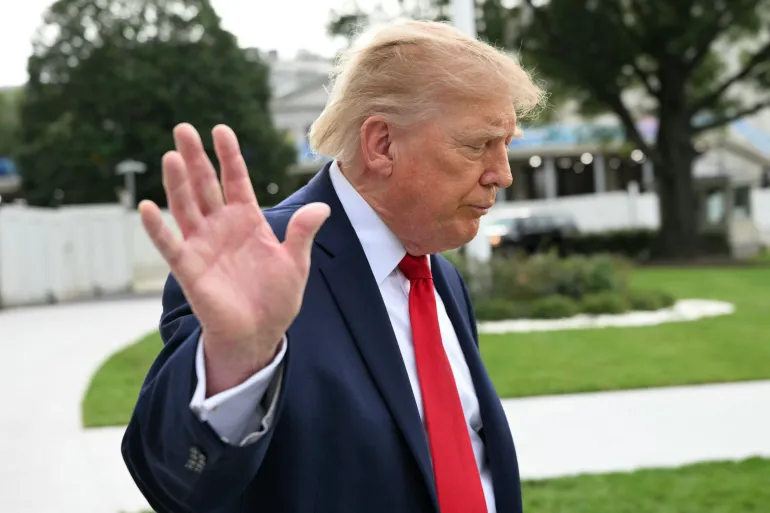
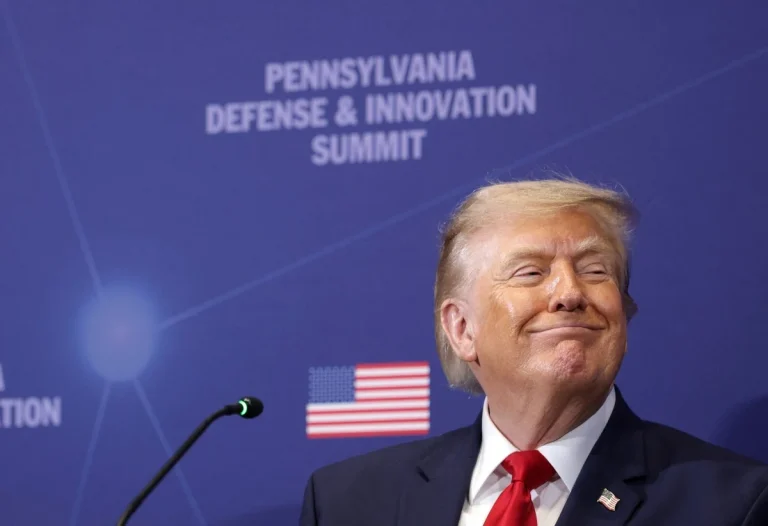
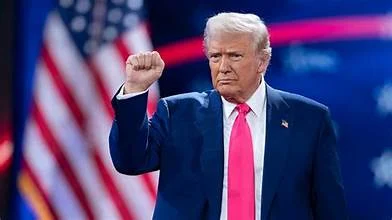
United States President, Donald Trump, has indicated that negotiations to end the ongoing conflict with Iran could resume as early as this week, following the collapse of weekend talks and a swift escalation marked by a US naval blockade of Iranian ports.
Speaking in an interview with the New York Post, Trump hinted at imminent diplomatic movement, saying,, “You should stay there [Islamabad], really, because something could be happening over the next two days, and we’re more inclined to go there.”
His comments came amid confirmation from the US military that its forces had effectively cut off Iran’s maritime trade within just 36 hours of launching the operation.
The development has cast uncertainty over a fragile two-week ceasefire set to expire soon.
While Tehran has yet to officially respond to Trump’s remarks, António Guterres, Secretary-General of the United Nations, expressed cautious optimism, stating it was “highly probable” that negotiations would resume.
Officials from Gulf states, Pakistan, and Iran have also suggested that delegations from Washington and Tehran may reconvene in Islamabad later this week, although no date has been confirmed.
The prospect of renewed diplomacy appeared to calm global oil markets slightly, with benchmark crude prices dipping below $100 per barrel on Tuesday.
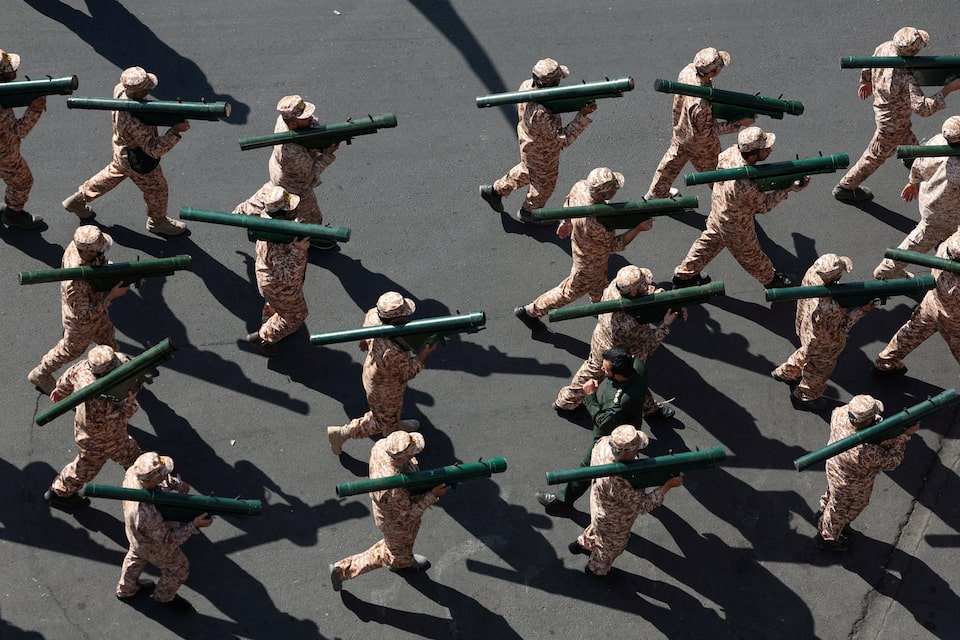
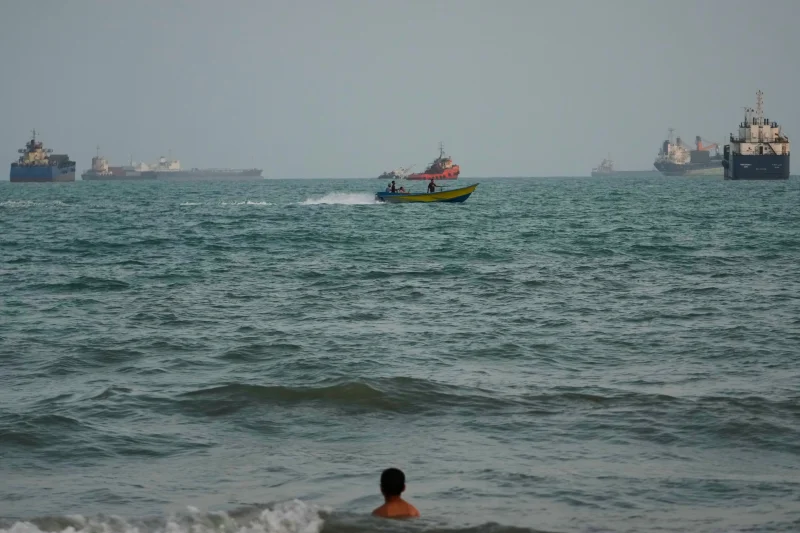
Tensions remain high, however, particularly around the strategically vital Strait of Hormuz, which Iran has effectively closed since coming under US and Israeli airstrikes on February 28. The waterway is a critical route for global oil and gas shipments.
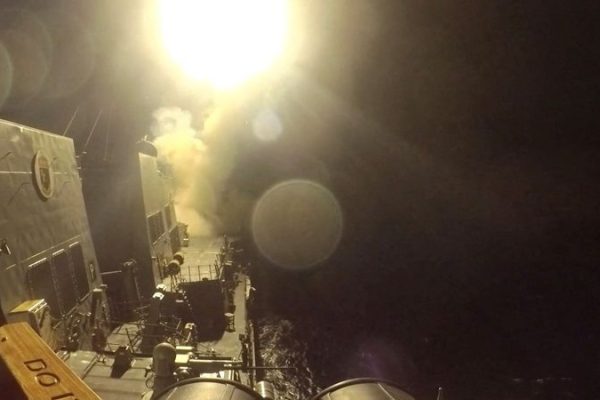
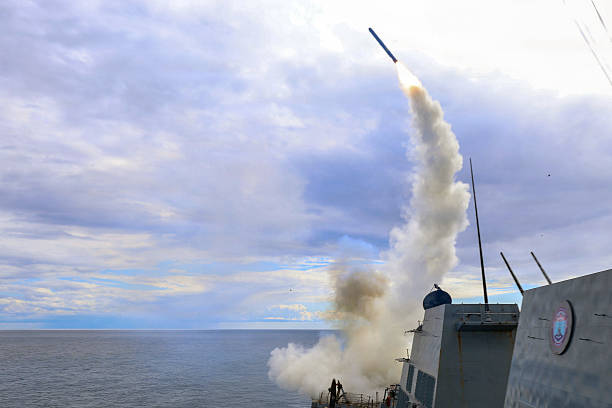
The US has deployed more than a dozen warships and approximately 10,000 personnel to enforce the blockade, targeting vessels entering or leaving Iranian ports.
The move is designed to cripple Iran’s economy by cutting off key revenue streams, including oil exports and transit tolls through the strait.
According to United States Central Command (Centcom), several commercial vessels have already complied with US directives to turn back.
Centcom commander Adm. Brad Cooper confirmed the scale of the operation, stating,”A blockade of Iranian ports has been fully implemented as US forces maintain maritime superiority in the Middle East.
“An estimated 90% of Iran’s economy is fueled by international trade by sea. In less than 36 hours since the blockade was implemented, US forces have completely halted economic trade going into and out of Iran by sea.”
Despite the blockade, some ship movements have continued. Data reviewed by BBC Verify showed that a handful of vessels, including some linked to Iran, managed to pass through the Strait of Hormuz after the restrictions began.
Earlier negotiations held in Islamabad failed to yield an agreement, largely due to disagreements over Iran’s nuclear programme.
The US proposed a 20-year halt to uranium enrichment, while Iran reportedly countered with a shorter five-year suspension.
US Vice-President JD Vance, who led the American delegation, acknowledged the deep mistrust between both sides but expressed hope for progress, saying, “There is a lot of, of course, mistrust between Iran and the United States of America. You are not going to solve that problem overnight.”
Meanwhile, the International Monetary Fund has warned that the conflict could push the global economy toward recession.
US Treasury Secretary Scott Bessent, however, defended the strategy, suggesting that a “small bit of economic pain” may be necessary to ensure long-term global security.
China has criticised the blockade, calling it “dangerous and irresponsible”, warning that it risks worsening tensions and undermining the already fragile ceasefire.
In a separate diplomatic development, Israel and Lebanon have agreed to begin direct talks following discussions in Washington.
The move follows Israeli strikes targeting the Iran-backed militant group Hezbollah and marks the first direct engagement between the two nations since 1993.
However, US officials have stressed that the Israel-Lebanon discussions are not connected to the stalled US-Iran negotiations in Islamabad.