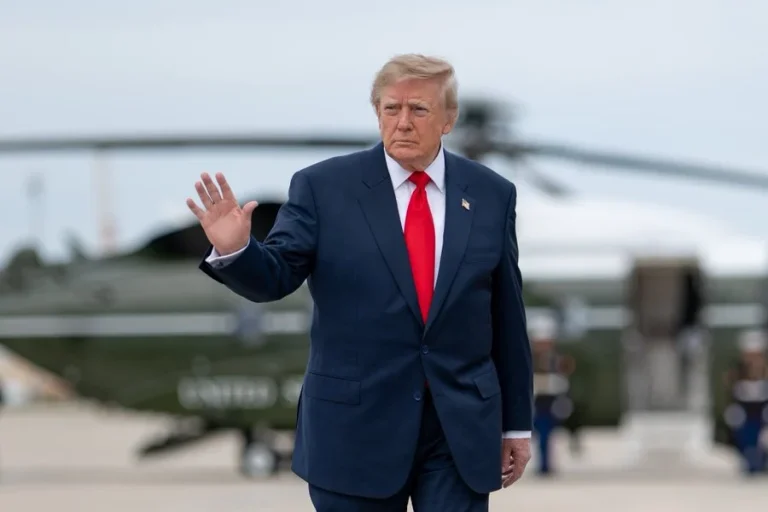
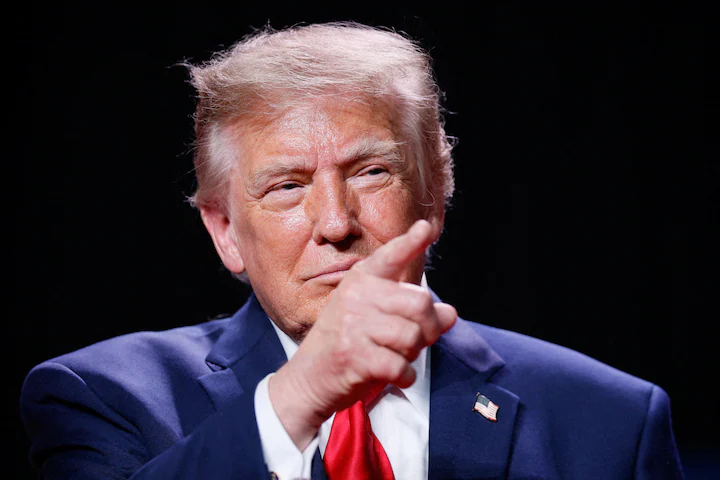
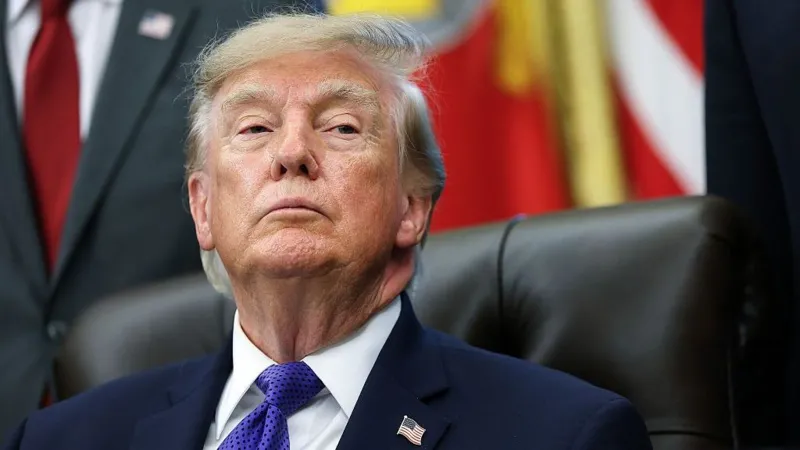
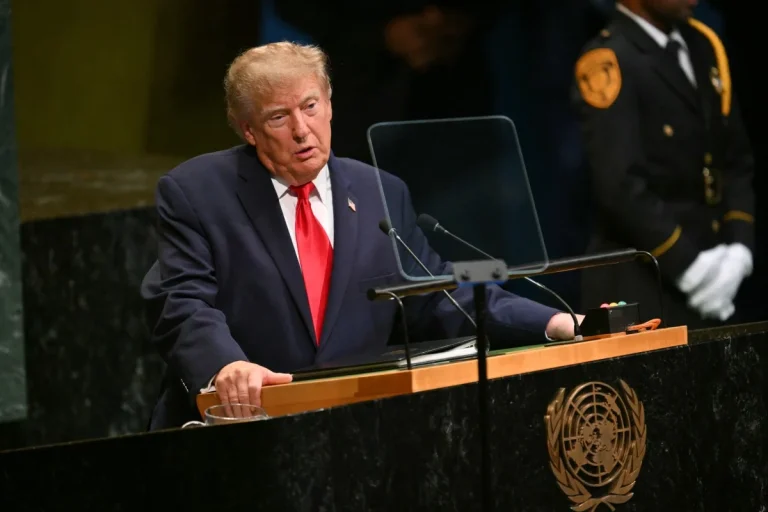
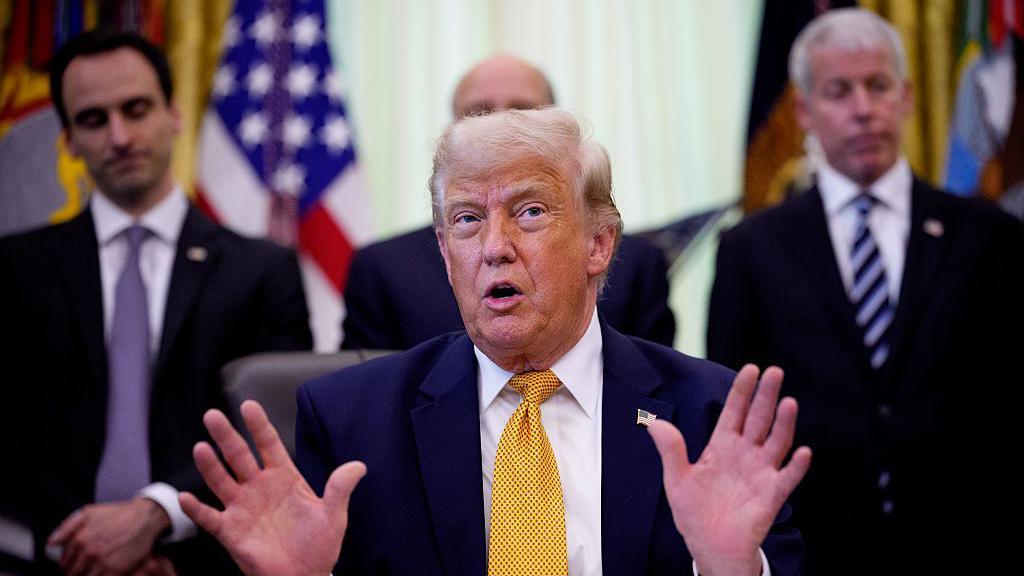
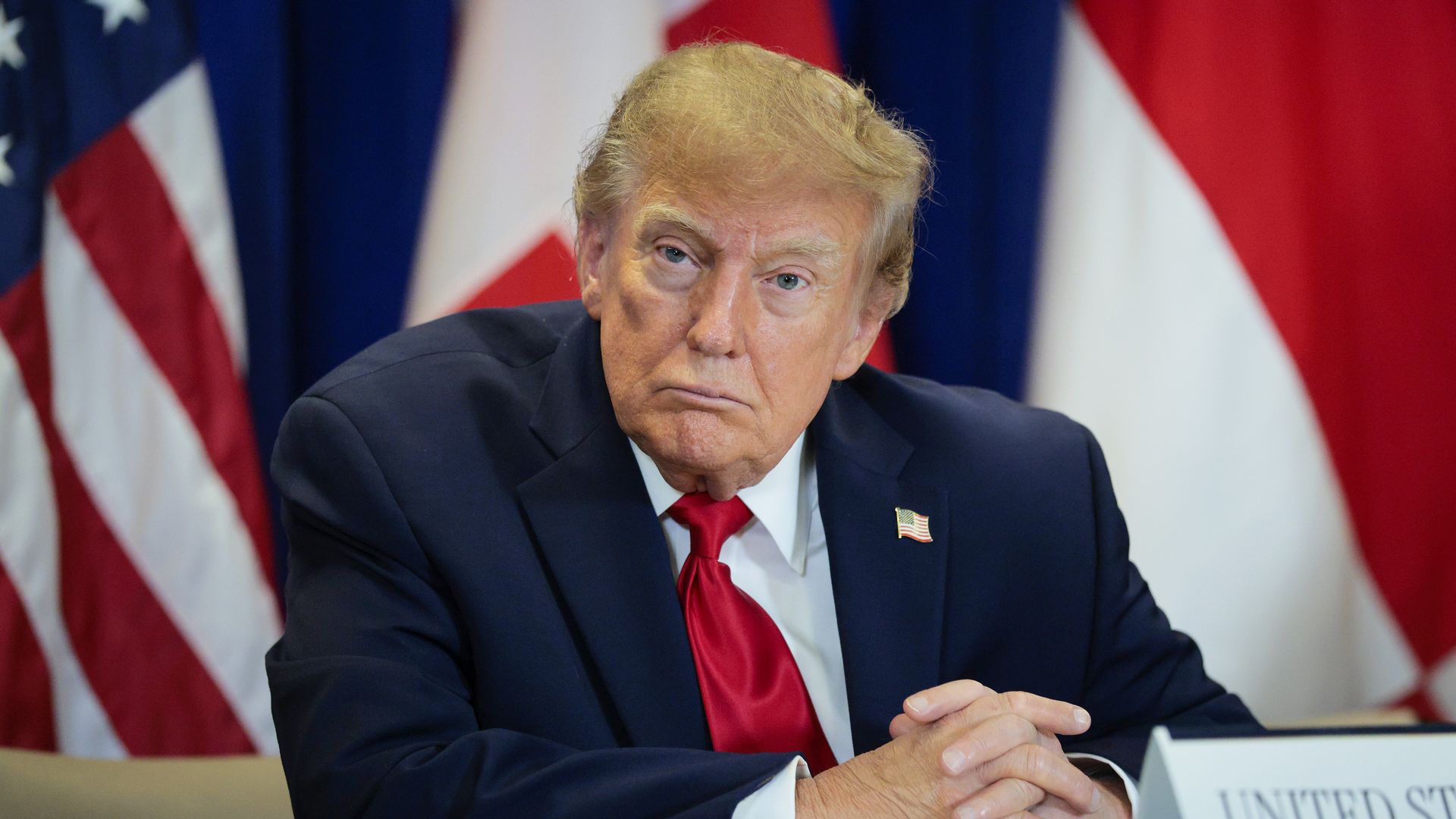
United States President, Donald Trump, on Monday announced that he had dismissed Federal Reserve Governor Lisa Cook, citing “cause” in a letter posted to his social media account.
The decision marks the first time in the 111-year history of the central bank that a sitting president has moved to fire a Fed governor.
The action signals a sharp escalation in Trump’s ongoing clash with the Federal Reserve, an institution he has repeatedly accused of moving too slowly to cut interest rates.
Cook, appointed in 2022 by former President Joe Biden as the first Black woman to serve on the Fed’s board, is under scrutiny following allegations of mortgage fraud.
The Justice Department has said it intends to review those claims, which were initially raised by Federal Housing Finance Director Bill Pulte.
Cook, however, has not been charged with any wrongdoing.
In a statement released through her attorneys on Monday night, Cook pushed back strongly, “President Trump purported to fire me ‘for cause’ when no cause exists under the law, and he has no authority to do so. I will not resign. I will continue to carry out my duties to help the American economy as I have been doing since 2022.”
Trump’s letter asserted otherwise, stating, “I have determined that there is sufficient cause to remove you from your position.”
The president further accused Cook of misconduct, writing, “In light of your deceitful and potentially criminal conduct in a financial matter … I do not have such confidence in your integrity. At a minimum, the conduct at issue exhibits the sort of gross negligence in financial transactions that calls into question your competence and trustworthiness as a financial regulator.”
A CNN review of mortgage documents revealed that Cook took out loans for two separate homes, both listed as her principal residence. Whether this was intentional or not remains unclear.
The legality of Trump’s move is highly uncertain. The Federal Reserve Act allows the president to remove a governor “for cause,” but the term is not clearly defined.
Cook’s attorney, Abbe David Lowell, said, “We will take whatever actions are needed to prevent his attempted illegal action.”
The Fed’s next policy meeting is scheduled for September 16–17, raising questions about whether Cook will be present. If her removal is upheld, Trump could seek to nominate a replacement, though any such effort would likely face legal challenges.
Last week, Cook had already signaled her intent to resist pressure.
“I have no intention of being bullied to step down from my position because of some questions raised in a tweet,” she said. “I do intend to take any questions about my financial history seriously as a member of the Federal Reserve and so I am gathering the accurate information to answer any legitimate questions and provide the facts.”
The controversy strikes at the heart of the Fed’s independence. The central bank is designed to operate free from political influence, tasked with balancing inflation control and job growth.
Experts warn that undermining this independence could weaken U.S. economic credibility and rattle global markets.
“The bigger picture is sadly simple, The Fed is designed to be independent of politics, for very good reasons,” Alan Blinder, a former Fed vice chair, told CNN. “He is trying to end that and make it an arm of the Trump administration, which will be very bad for monetary policy if it happens.”
Democratic leaders quickly denounced Trump’s move. Senator Elizabeth Warren, the top Democrat on the Senate Banking Committee, called it “an authoritarian power grab that blatantly violates the Federal Reserve Act, and must be overturned in court.” Republican Senator Tim Scott, who chairs the committee, did not immediately comment.
Markets reacted swiftly. The U.S. dollar index dipped 0.3% against a basket of currencies following Trump’s announcement, while U.S. stock futures slipped, Dow futures fell 0.2%, S&P 500 futures dropped 0.3%, and Nasdaq 100 futures declined 0.5%. Gold, viewed as a safe-haven asset during times of uncertainty, climbed 0.45%.